
Issues
Rainbow Railroad Condemns Türkiye’s Coordinated Crackdown on LGBTQI+ People
3 min read
Discover inspiring stories from our community
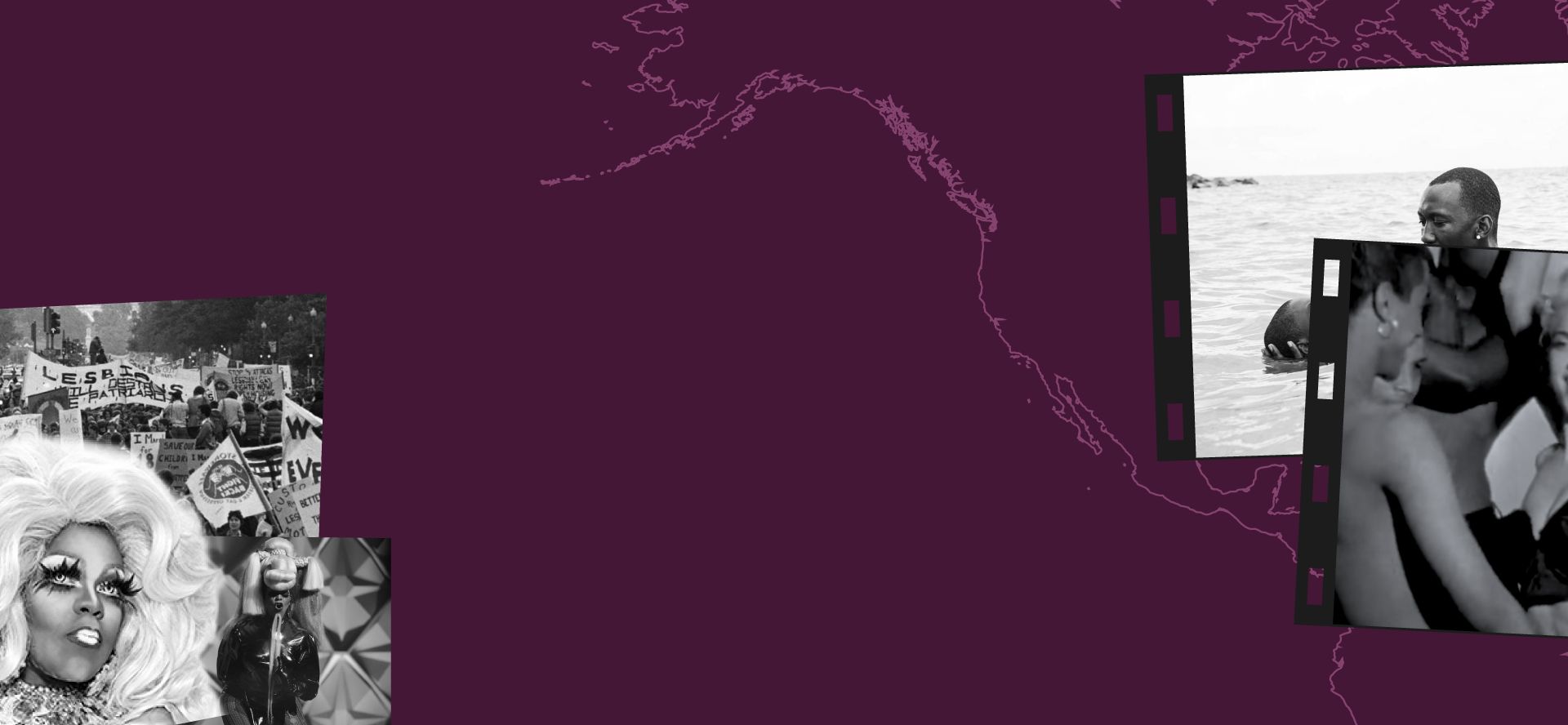
When history teacher Rodney Wilson noticed the lack of education around queer and trans activists, leaders, and artists, he embarked on his own personal mission to change the status quo. In January 1994, Wilson sent out a proposal to leading LGBTQI+ organizations recommending October be recognized as “Lesbian and Gay History Month.” That idea, and the subsequent campaign, was successful, creating a month-long celebration to commemorate the impact queers and trans people have made across industries — in Hollywood, on Capitol Hill, and beyond. This October, we honored LGBTQI+ History Month by asking our staff to share their favorite movies, stories, and cultural touchstones that shaped LGBTQI+ history and representation. Some touched on the importance of allies publicly declaring their support for the community, such as iconic American singer-songwriter Dolly Parton’s statement in support of the LGBTQI+ community on Larry King. Others pointed to the hit musical Rent, which highlighted the stories of young queer folks in New York City impacted by the AIDS crisis. Here’s some of what they highlighted: Moonlight The 2016 film Moonlight made history as the first queer-themed film to win the Academy Award for Best Picture, reaching a feat other iconic films like Milk and Brokeback Mountain had not been able to reach. Rainbow Railroad’s Community Giving Director says she feels emotional every time she watches the film because it “humanizes gay, Black love in a way you rarely get to see.”“It speaks to the impact hypermasculinity and homophobia can have on impoverished Black communities. It reveals that at the end of the day, we're all human and at our core, crave intimacy and understanding,” she says. “Human connection can soften the toughest of exteriors.” A quote from American Journalist Dan Savage"During the darkest days of the AIDS crisis, we buried our friends in the morning, we protested in the afternoon, and we danced all night. The dance kept us in the fight because it was the dance we were fighting for. It didn’t look like we were going to win then and we did. It doesn’t feel like we’re going to win now but we could. Keep fighting, keep dancing."For Rainbow Railroad staffers, this reflective quote is as relevant now as it was then. Rainbow Railroad’s US Policy and Advocacy Officer says, “We're not fighting AIDS the way we were in the eighties, but we are burying our trans siblings, taken from us by violence and institutional oppression. The fight has changed shape, but it hasn't ended.” He added: “We still take to the streets, we still build each other up, and we still dance, because queer people have always found ways to be in community, love, and thrive, even in the darkest moments. Our joy is our resistance, and we must keep daring to dance.”Truth or Dare Truth or Dare, the 1991 Madonna tour documentary, sparked mass controversy at the time of its release for its uncensored depiction of sex and sexuality. At the same time, the documentary has been praised for challenging cultural norms through its casual portrayal of queer dancers, their relationships, and lives, as part of the norm. The film’s release as the world still grappled with the AIDS epidemic — which took the lives of millions of young adult men, in particular, across the globe — was especially impactful as activists worked to decrease the stigma associated with the disease.Anastarzia Anaquway opening up about her experience with violence on Canada's Drag RaceContestant Anastarzia Anaquway did more than turn heads on Canada’s Drag Race inaugural season, she also opened hearts. When the Bahamian-born drag performer opened up about facing violence due to her identity, she simultaneously brought nationwide attention to the global landscape of LGBTQI+ persecution. Rainbow Railroad’s Senior Development Officer, Events, called Anastarzia’s openness “raw and honest.” In elevating Anastarzia’s own story, she also did so for the thousands of queer and trans asylum seekers Rainbow Railroad works with year-round. Flee The 2021 film Flee made history when it became the first film to be nominated for Best Animated Feature, Best Documentary Feature and Best International Feature — all in the same year. Tracing the life of a child refugee from Afghanistan, the film tells a potent story about identity, belonging, and displacement. “Queer art and storytelling don't just create representation, they expand whose experiences are considered worthy of being remembered,” says Rainbow Railroad’s Senior Design Officer. “Stories like Flee are especially powerful because they remind us that LGBTQI+ history is global, and that queer identity intersects with migration, conflict, race, nationality and the search for safety.”
This story is part of our USA 250 series, a collection of articles looking at the country’s legacy of immigration since its founding. America’s 250th anniversary is a moment of reckoning as much as celebration. For Rainbow Railroad, it is an opportunity to examine the country’s promise of freedom, and exclusion, particularly for LGBTQI+ people and immigrants.
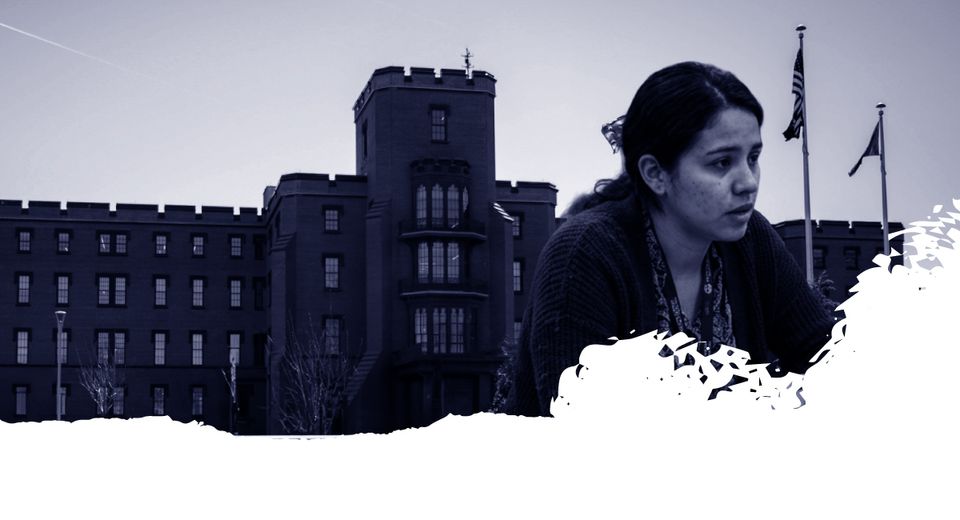
Rainbow Railroad submitted the following comment in response to the U.S. Department of Homeland Security Docket No. USCIS-2026-0199, Affirmative Asylum Referrals Without Interview. As we state below, the rule would jeopardize LGBTQI+ asylum seekers right to have their claims fairly processed and fully heard.
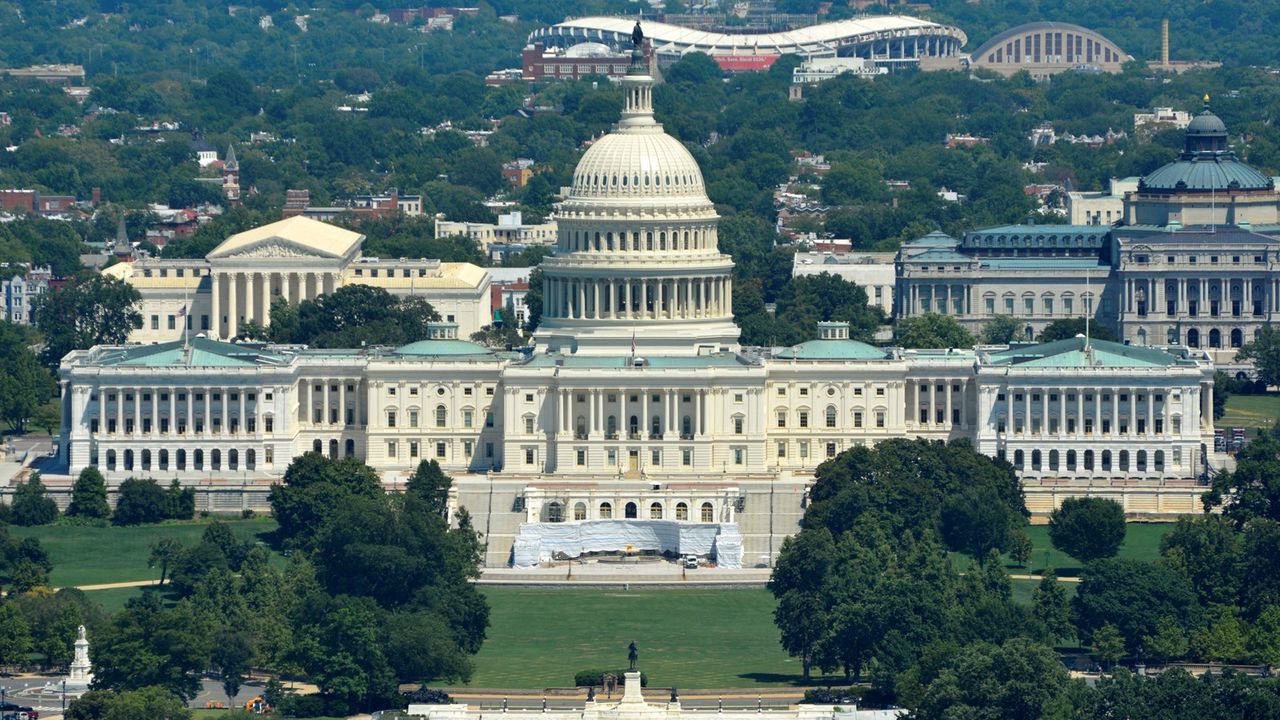
In August, Rainbow Railroad led a delegation for the 2026 We Are All America Advocacy Days. We Are All America is one of the United States’ largest grassroots networks, drawing together immigrant rights and refugee resettlement movements to advance human rights. During their summer Advocacy Days, they support people with lived experience, refugee leaders, allies, and advocates to raise awareness among state, Senate, and Congressional leaders about the challenges refugees are facing in the United States. For this year’s Advocacy Days, Rainbow Railroad, represented by US Policy and Advocacy Officer, Oliver Williams, led a delegation of five constituents from the state of Washington. This small group of advocates and people with lived experience met with two senators and three members of Congress. In their conversations with elected representatives, they championed restoring and strengthening the US Refugee Admissions Program (USRAP), in particular for LGBTQI+ people who are seeking pathways to safety. Rainbow Railroad shared key data from our 2025 Annual Report directly with congressmembers, including that the 20,215 requests for help we received in 2025 represent a 51% increase from the year before. Of these requests, 60% came from transgender people. And globally, more than half of the individuals we supported told us they faced life-threatening violence. Lastly, 2025 marked the second consecutive year that the United States was the largest single source of requests for help. We received 427 requests for help from non-US citizens living in the US, an exponential increase from 38 in 2023 and 94 in 2024. All this points to the challenges LGBTQI+ people face internationally, but also within the country, as they seek safety from persecution. At the end of this summer’s Advocacy Days, the coalition was able to secure a Senate oversight letter to the Department of Homeland Security and ICE that covered the key issues raised in our meetings. More than 300 participants and 59 organizations participated, though Rainbow Railroad was just one of a handful of LGBTQI+ nonprofits present. This year’s participants represented 43 states. Rainbow Railroad participated in some of more than 140 meetings with Members of Congress. Crucially, 154 refugees and immigrants shared their lived experience directly with lawmakers. You can read the final report from Advocacy Days here. We will continue to advocate for pathways to safety for LGBTQI+ people, and policy change within the United States to ensure that those who are here feel safe at home.

The suspension of the United States Refugee Assistance Program has been devastating for LGBTQI+ refugees, and the global impact continues to be felt. The United States has retreated from their role as the world’s leading resettlement country, and the right to seek asylum is also being systematically dismantled, despite this right being protected by international and US law. The US administration temporarily halted asylum decision-making on November 28, 2025. Although the temporary asylum adjudication pause was lifted for some countries, they remain paused for individuals from the 39 countries on the administration’s travel ban list. Asylum seekers have since reported widespread cancellations of interviews. At the same time, asylum decisions continue to be granted to some of the individuals we support, underscoring the inconsistency and shifting policy signals within the current US asylum system. Additionally, the administration plans to review all asylum decisions made during the Biden administration. These policy shifts abandon decades of US leadership in building responsibility-sharing between well-resourced donor and resettlement countries and those on the front lines of mass migration.Requests from the US: A Growing Call for SafetyThe increase in requests for help received from the United States is staggering. These requests include both citizens and non-citizens, including asylum seekers, refugees, permanent residents, people with no legal status, temporary residents, and others. These requests illustrate that, even within the United States, people seeking pathways to safety are being challenged by an increasingly hostile environment. The three most common types of support requested were for international relocation, shelter and housing assistance, and letters of support. We do not collect state-level location data in our requests for help, but, after reviewing requests for help received in the first quarter of 2025 following the inauguration of the current US administration, we observed that 80% of requests for help from the United States originated from red states. Although Canada’s immigration jurisprudence has begun to recognize the need to consider up-to-date dangers faced by LGBTQI+ individuals in their country of citizenship, including the United States, the Canada-U.S. Safe Third Country Agreement creates significant barriers for individuals in the United States who wish to seek asylum in Canada. Facing Political Realities in the United States Following the November 5, 2024 election, requests for help from the United States surged, with nearly three-quarters of US requests for help from 2024 received in the final weeks of the year. Our data shows troubling trends with regard to the lived experiences of LGBTQI+ people in the US in recent years. In 2023, we received over 1,900 requests from individuals seeking our assistance from the United States, representing a 523% increase from 2022. In 2022, the majority of individuals seeking help from the US were asylum seekers from other countries – in 2023 that trend was reversed. The following year, 2024, one out of every five requests for help originated from the United States; in 2025, this increased to one out of every three requests. 2025 was the second year in a row where the largest single source of requests for help was the United States. In cases where an individual requesting help disclosed their gender identity to us, the largest groups seeking assistance were trans women and trans men. Although US citizens are asking for support, our data also shows that non-citizens are still seeking support from within the United States. We received 427 requests for help from non-US citizens within the United States in 2025. This represents an exponential increase over time, from 38 requests for help in 2023 and 94 in 2024, excluding cases where citizenship was not reported. The political realities of the US today are severe. Travel bans have been imposed by the US administration on countries around the world. Individuals who felt protected have had their status revoked, and others are experiencing severe financial hardship because of significant cuts to refugee and asylum support programs. Rainbow Railroad’s Housing and Livelihood Assistance Fund is one of the tools deployed to respond to this reality. It provides emergency cash assistance grants directly to LGBTQI+ asylum seekers and other LGBTQI+ migrants who have been affected. In 2025, the fund supported 131 people. Even amidst a worsening climate, our community is still mobilizing in support of LGBTQI+ asylum seekers and migrants in the United States. Through the team we have built and the partnerships we rely on, we have been able to witness real moments of resilience and progress on an individual level. After 9 months in detention, one of the individuals we supported gained her freedom and a new start with the assistance of her volunteer Community Support Team, a powerful reminder of what community-building can make possible.Despite many challenges, we continue to intervene to support people facing an increasingly hostile asylum policy landscape in the United States. After individuals we support have found a way into the US, many spend time in detention centers as they await decisions on their case. Our volunteer Community Support Teams (CSTs) represent the strength of grassroots efforts to help individuals who are the targets of regressive anti-LGBTQI+ and xenophobic policies. In one case, we mobilized volunteers and worked with a church to show up in strong support of Michel — an LGBTQI+ asylum seeker — at a bond hearing. The Immigration Judge cited this support when setting an extremely low bond, enabling Michel’s release to his CST who temporarily hosted him after his release from detention before church-sponsored housing was ready. Mobilized by Rainbow Railroad, this community-level intervention was the difference between freedom and continued ICE detention in hostile conditions. Rainbow Railroad developed its Information Services and Referrals Program in response to the growing number of requests for help we receive from LGBTQI+ people around the world. The program is designed to connect as many people as possible with critical resources and affirming support wherever they are, recognizing that not everyone is able to access international relocation.Through our Support Referral Network, we connect individuals directly with trusted partner organizations that provide vital services, including mental health support, medical care, shelter, asylum information, and legal representation. In addition to these referrals, Rainbow Railroad offers tailored queer competent guidance including consultations, letters of support, practical advice, and emotional support. A key part of this work is the development of information packages – curated technical guides that help people identify and access assistance in their country of residence. In 2025, we deployed information packages for several countries including Egypt, Kenya, Nigeria, Russia, South Africa, Türkiye, Uganda, and the United States. These packages include practical information, support channels, and trusted contacts for LGBTQI+ people at-risk, helping individuals navigate options that are often difficult to find or inaccessible due to underground operations. As requests for help increase, Rainbow Railroad continues to strengthen and expand this program to ensure more LGBTQI+ people can access support, information, and community wherever they are.It has been two years since Rainbow Railroad began work on the Queer Forced Displacement Initiative (QFDI), a project to co-create an international network on LGBTQI+ forced displacement. To date we have held five regional roundtables in the critical displacement corridors of Mexico, South Africa, Thailand, Türkiye, and Kenya, and an international academic symposium in Mexico City, engaging over 350 people across civil society, UN agencies, governments, academia, and affected communities. These consultations were designed to surface the pressing, region-specific challenges facing LGBTQI+ displaced communities. What emerged was both sobering and galvanizing: a consistent picture of entrenched systemic failures – from hostile legal environments and state impunity, to the chronic under-resourcing of frontline civil society – alongside a powerful, unified mandate for change. As one participant described, this network represents "the missing jigsaw" in the global struggle for LGBTQI+ refugee rights.This innovative multi-stakeholder project is now ready for its next phase. We are partnering with LGBTQI+ grassroots organizations, refugee-led groups, and human rights defenders around the world to build this coordinated network dedicated to LGBTQI+ forced displacement. We are grounding our work in community expertise, driven by people with lived experience, and orienting it toward long-term systems change. In May 2026, Rainbow Railroad hosted the final conference that launched the Global Queer Forced Displacement Network in Bangkok, Thailand, transforming years of consultation into coordinated, sustained action. Together, we will build a global network that will empower coherent, community-led responses to LGBTQI+ forced displacement. Read more of our insights in our 2025 Annual Report: Understanding the State of Global LGBTQI+ Persecution.
Pathways to safety are disappearing for LGBTQI+ people around the world. In 2025, the Canadian government introduced two separate pieces of legislation that target asylum seekers. The names of these bills reveal the government’s intention; C-2 the Strong Borders Act, which was eventually abandoned after public pressure, and the second, C-12 the Strengthening Canada’s Immigration System and Borders Act which became law.The Strengthening Canada’s Immigration System and Borders Act undermines access to asylum, and makes the process of claiming asylum more difficult for LGBTQI+ claimants. The Act limits the right to claim asylum by imposing a one-year bar on the ability to secure a hearing before the independent Immigration and Refugee Board. It also imposes harsh penalties for failing to meet deadlines in the immigration process, putting vulnerable LGBTQI+ people at risk.Our data shows the impact these and other laws around the world are having on LGBTQI+ people seeking safety. We received 20,215 requests for help in 2025; more than 7,000 of these requests came from countries where it is extremely difficult or impossible to find pathways to safety.In 2024 we supported 242 people through our Emergency Travel Support program. In 2025 that number dropped to 85, representing a 65% decline, and only 8 of those people were able to leave countries where routes to safety are extremely difficult to map. We are also seeing a worrying number of requests for help from within the European Union. Despite the EU’s public commitment to international human rights, LGBTQI+ refugees in the bloc are facing serious protection gaps, an issue we are actively monitoring.Across the international landscape, Canada’s new laws are not unique. By mid-2025 the UNHCR was reporting that policy changes by several countries were expected to lead to further substantial reductions of new asylum applications. Because of these policy changes, reported statistics on individual asylum applications are likely to become less reflective of the true number of people who need to access asylum globally.Historically, the United States was the world’s leading resettlement country, accepting more refugees in most years than all other resettlement countries combined. In January 2025, the administration suspended the United States Refugee Admissions Program. For fiscal year 2026 (October 1, 2025 to September 30, 2026), the US will reduce resettlement numbers by 94%, to 7,500 people, and most slots will be allocated to white Afrikaners from South Africa. Although the administration later decided to lift a previous asylum adjudication pause, the landscape remains uncertain, making life even more challenging and precarious for LGBTQI+ people seeking asylum.The UK has also proposed aggressive reforms to their immigration system.Proposals to make refugee status temporary, limit the number of safe pathways, and create fast-track removals will have a major impact on asylum seekers in the country. These reforms are said to have been influenced by Denmark’s already harsh asylum system, and may be even more restrictive. Germany likewise implemented significant changes in 2025, contributing to the gradual erosion of the asylum system and running counter to the spirit of The 1951 Refugee Convention. German policy has also wavered on issuing humanitarian visas for Russians and Belarusians facing political persecution at home.Offshoring Agreements and Shrinking Access to SafetyAnother disturbing trend in 2025 that will negatively impact LGBTQI+ people seeking pathways to safety is the “offshoring” of refugees. The Netherlands and Uganda made one such deal, under which the Dutch government would send claimants to Uganda. The Dutch government has said that they would not send LGBTQI+ claimants to Uganda, which is cold comfort for LGBTQI+ people fleeing persecution. This follows Australia’s enhanced legal rules for paying third countries to accept people Australia intends to deport. This legal change caps 25 years of Australian involvement in extended off-shore detention.All these changes point to the incoming European Pact on Migration, which will introduce new restrictions across the European Union. The Pact includes provisions that, once implemented, will severely curtail human rights. These new rules will make it harder for individuals to access the right to seek asylum, as well as making it easier to rush decisions on asylum applications. This will disproportionately impact LGBTQI+ asylum seekers, and will increase instances of detention. Human Rights Watch has expressed that these changes encourage EU states to return people to transit countries outside the EU where they could face abuse or chain refoulement. While the EU may identify a country as “safe” for refugees, safety may not apply equally to LGBTQI+ refugees.A System Built to Exclude: The EU Pact on MigrationRainbow Railroad received 269 requests for help from the 27-country EU bloc last year. This is a 49% increase over 2024, when we received 181. Two thirds of these requests came from asylum seekers, temporary residents, registered refugees and people with no legal status. Individuals living in this context have expressed fears about their urgent needs for support; one individual shared “I have felt ignored, exposed, and treated as a number rather than as a human being. My real and urgent needs for protection and healthcare were ignored.”Behind the language of efficiency, solidarity, and border management is a system built to exclude, detain, and deport. The Pact will make seeking pathways to safety across the EU more difficult and dangerous for LGBTQI+ people. The Pact weakens the procedural rights of asylum seekers; for instance, trans people will be systematically exposed to detention, where they will be segregated based on the gender markers on their official documents, leading to heightened vulnerability, discrimination, as well as physical, mental and sexual abuse. One family impacted by the Pact shared the following: “We traveled through Czechia but did not apply for asylum there. We applied for asylum in Denmark, but our case was rejected under the Dublin Regulation. Denmark plans to deport us to Czechia, even though we face real danger there (we have received threats and cannot rely on protection from Czech authorities). We suffer from serious mental health conditions: PTSD, OCD, hallucinations, borderline personality disorder, severe anxiety, depression, and suicidal thoughts. We are under medical treatment, and doctors have confirmed that deportation would place us at extreme risk.”These developments are part of a broad global trend towards restricting access to asylum and externalizing refugee protection. These policies are being advanced despite, and in contravention to, the obligations states have under the 1951 Refugee Convention. Returning a LGBTQI+ asylum seeker to a country that criminalizes and persecutes LGBTQI+ people is a clear violation of the principle of non-refoulement.Policies shaping the treatment of LGBTQI+ claimants across the EU demand scrutiny. The Pact is a clear assault on the EU’s foundational values of human dignity, human rights, and freedoms. Rainbow Railroad will continue to document, monitor, and speak out on the impact of the EU Pact on Migration, and the risks it poses to LGBTQI+ people.Read more of our insights in our 2025 Annual Report: Understanding the State of Global LGBTQI+ Persecution.

This Pride season, our corporate partners have turned visibility into meaningful action for LGBTQI+ people at risk globally.Throughout June and July, Pride campaigns across Canada and the U.S. raised critical funds, increased awareness of Rainbow Railroad’s work, and engaged employees and customers in our mission, with several campaigns continuing through the end of summer.Together, these efforts have raised over $1 million, and we’re incredibly grateful to everyone who helped make them possible.A special thank you to:LCBOFor the 5th year in a row, Rainbow Railroad once again joined LCBO’s annual Love Pairs With Everything Pride campaign. Customers across Ontario were invited to donate at checkout throughout June in support of five LGBTQI+ organizations.The Beer Store For the sixth consecutive year, The Beer Store returned as a Pride partner. From June 8 to July 15, customers across Ontario could donate at checkout or contribute their empty-container returns, with proceeds supporting Rainbow Railroad’s programs and mission.Bank of Montreal (BMO)Celebrating five years of partnership, BMO’s Rainbow Deposits campaign is once again turning rainbows into real impact. For every rainbow photo uploaded, BMO donates $1 to Rainbow Railroad. Better yet, the campaign is still running through August 31.IKEA US & CanadaFor the third year in a row, IKEA Canada and IKEA U.S. celebrated Pride in support of Rainbow Railroad through their beloved Rainbow Cake campaign, with proceeds from sales throughout June and July supporting our work.Digital ExtremesRainbow Railroad partnered with Digital Extremes for the 5th year in a row. They celebrated Warframe Pride 2026 with Pride-themed in-game activations and a special Kaithe Plush campaign, with 100% of Digital Extremes’ net proceeds supporting our work.TelusTELUS team members and customers rallied behind Rainbow Railroad this Pride, through TELUS corporate stores in June to help LGBTQI+ people around the world find safety.A number of our partners continue to have campaigns and activations running throughout the rest of Pride season.Keep an eye out for campaigns featuring Rainbow Railroad as a charitable beneficiary and, when you can, show these incredible partners some love. Their continued commitment helps make our work possible, during Pride and throughout the year.

Rainbow Railroad submitted the below comment in response to the U.S. State Department’s proposed updates that would impact gender-diverse refugees seeking safety.
When the US moved to dismantle the US Agency for International Development (USAID) in January 2025, its impact reverberated across the globe. For years, the US’s commitment to its global leadership was stewarded, in part, by its financial contributions to projects that were critical to fighting poverty and inequality. But the current administration’s so-called “America First” policies have turned their back on millions who benefitted from those contributions, leading to the systematic destruction of international assistance. The foreign aid cuts most significantly affected marginalized groups, including individuals living with HIV, which LGBTQI+ people are disproportionately burdened by. About 41 million people currently live with the disease, with 1.2 million people acquiring HIV in 2025. This decision, driven by anti-gender, anti-rights, and anti-trans ideology, marked the beginning of a global purge of support for those in need, and in particular LGBTQI+ people. Since then, other governments have followed. The Netherlands scaled back support for LGBTQI+ rights through their missions, contributing to an estimated shortfall of 55% for embassy grants to local LGBTQI+ organizations. Switzerland slashed millions in funding for UN agencies, including UN AIDS. The UK’s £40 million pledge to support global LGBTQI+ rights feels at risk. All these policy decisions happen as private funding from corporations similarly contracts, leading to increased demand for our financial support. Our Grassroots Mobilization Fund received 178 applications last year, a 305% increase from 2024. Our new Crisis Response Fund saw a similar demand with nearly 600 applications. In total, these two funds represented over CAD $18 million in requests. Unfortunately, we were only able to meet 6% of the organizational support requests we received. Read more of our insights in our 2025 Annual Report: Understanding the State of Global LGBTQI+ Persecution.

This story is part of our USA 250 series, a collection of articles looking at the country’s legacy of immigration since its founding. America’s 250th anniversary is a moment of reckoning as much as celebration. For Rainbow Railroad, it is an opportunity to examine the country’s promise of freedom, and exclusion, particularly for LGBTQI+ people and immigrants.

This May, Rainbow Railroad and international partners from 30 countries gathered in Bangkok to launch the Queer Forced Displacement Network (QFDN), a new member-led network meant to confront one of the most urgent and least resourced crises: queer and trans forced displacement.For too long, asylum systems have been designed without LGBTQI+ people in mind, creating gaps between the needs of these people and the aid they can access. The QFDN was created to change that, says co-chair Ryan Figueiredo: "I've spent years working in one of Asia's busiest transit corridors, where LGBTI people arrive having escaped one danger only to wait, sometimes for years, in another. Displacement doesn't just move us; it reshapes who we are and how we find each other. This network exists because the people who understand that best are the ones who have lived it, and we intend to be in the room where the decisions get made about us."In a powerful show of global solidarity, more than 70 human rights defenders, civil society leaders, researchers, government representatives, and forcibly displaced people gathered for a three-day conference convened by Rainbow Railroad, with organizing support from Bangkok-based partner Equal Asia Foundation. A network to address an urgent protection gapAcross the world, LGBTQI+ refugees and migrants face unique vulnerabilities. Over 60 countries criminalize same-sex intimacy, posing direct risks to their life because of who they are. These policies may also exist in tension with the 60 active state-based conflicts worldwide, contributing to the record number of LGBTQI+ people forced to flee. The need to address this issue has rarely been more pressing. As anti-LGBTQI+ laws spread and displacement rises worldwide, the people most affected are often the least visible in the systems meant to protect them. That urgency was felt directly at the conference: in a keynote at the main stage, Cicer, founder of CAN-Myanmar, spoke to the grave human rights violations facing LGBTQI+ communities in Myanmar, in a reminder of why a coordinated, global response cannot wait.Two years in the makingThis network is the culmination of the Queer Forced Displacement Initiative (QFDI), a two-year effort led by Rainbow Railroad that included a series of regional roundtable consultations in five displacement corridors: Mexico, South Africa, Thailand, Türkiye, and Kenya. An academic symposium additionally helped participants harness the knowledge around issues of LGBTQ+ forced displacement. "By uniting queer migrant voices across every region, we are transforming our shared struggles into an unstoppable, global mandate,” co-chair Eric Ssali said. “We are proving that our solidarity can move across borders just as powerfully as we do."Those conversations brought frontline organizations and displaced people together to map where protection breaks down and to ask a simple question: what would it take to do this work together? The findings and recommendations became the mandate for the network launched in Bangkok.What happened in Bangkok? The conference opened with a grassroots assembly to center the voices of those with lived experience and refugee-led organizations. The following day, the circle widened to include remarks from the Canadian Parliamentary Secretary, Canadian Minister of Foreign Affairs Rob Oliphant and Canadian Ambassador to Thailand H.E. Ping Kitnikone. Expert panels on state accountability and crisis response were also held, along with a closing fireside chat with acclaimed dancer and artist Ahmad Joudeh on the power of art and movement as tools for liberation.On the final day, the network formally launched. Founding members endorsed the network's founding declaration, which was agreed to be named the Chao Phraya Principles on the Protection of LGBTQI+ Persons in Forced Displacement. The name refers to the river that flows through Bangkok to the sea, to represent the journeys of movement, crossing and arrival of asylum seekers and refugees. The Principles set out 11 commitments grounded in international human rights law. Members also welcomed three interim co-chairs and held the QFDN's first working session, adopting a shared purpose and an initial structure to carry the network forward.Shared Leadership, lived experience The network will be guided through its founding year by three Interim Co-Chairs, with Rainbow Railroad serving as convening chair and secretariat:Mariana de la Cruz (she/her), Executive Director of Casa Frida (Mexico)Ryan Figueiredo (he/they), Founder and Executive Director of the Equal Asia Foundation (Thailand)Eric Ssali (they/them), Executive Director of The African Sunbird Network (South Africa)“For LGBTQI+ people forced to flee, protection can't wait for the next emergency. This network turns the everyday lessons of frontline work into action that moves across borders as fast as our communities are forced to.” - Mariana de la Cruz, Interim Co-chair of the QFDN What’s nextThe launch in Bangkok was just the beginning. In the months ahead, co-chairs and members will operationalize the network's regional structure, develop its membership and onboarding framework, and finalize the governance documents that will give the QFDN its permanent form. Rainbow Railroad remains committed to supporting the network as it grows into a more permanent, member-led structure meant to advance the safety and dignity of LGBTQI+ people forced to flee, wherever they are.How to engageSign up here to receive updates on the QFDN including how to become a member. https://www.rainbowrailroad.org/queer-forced-displacement-initiative
When Rainbow Railroad first started in 2006, the volunteer-run organization focused on helping LGBTQI+ people from Jamaica, a country then referred to as “the most homophobic place on earth.” Twenty years later, both the organization and the demand for our work have evolved. Today, Rainbow Railroad is an international human rights organization that supports forcibly displaced queer and trans people worldwide, far beyond just the Caribbean. At the core of this work is our response to global requests for help. Regions in Need: Where Requests for Help Come From In 2025, Rainbow Railroad received 20,215 requests for help from individuals in over 170 countries — the highest in the organization’s 20-year history and a 51% increase from the year prior. The bulk of these requests came from North America (33.4%) — nine in ten of which originated in the United States. That was followed by the Middle East and North Africa (26.2%), Sub-Saharan Africa (17.3%), and Asia (15%). In addition to the US, Uganda, Pakistan, Egypt, and Afghanistan were among the leading sources of requests for help. Read More: The Anti-Homosexuality Act Now: The Path Forward for LGBTQI+ Rights in UgandaPeople in the US often pointed to their fear of future persecution, and the rise of anti-LGBTQI+ laws as reasons for their outreach. By contrast, those living in countries like Uganda request help because of the ongoing criminalization they face due to their sexual orientation or gender identity through laws such as the 2023 Anti-Homosexuality Act — one of the most extreme pieces of anti-LGBTQI+ legislation passed in recent years. Who They Are Young people notably made up the majority of requests for help we received in 2025. People aged 18-25 represented 40% of all the requests we received, closely followed by people in the 26-35 age group.There are many drivers of displacement that force queer and trans people to request help. Political instability or armed conflict, for instance, are two major factors to keep in mind. More than two-thirds of requests came from citizens requesting help from within their country of citizenship. Still, more than 6,000 requests came from people who were asylum seekers, registered refugees, or had some other status — meaning they had already fled their home in search of safety. International relocation was the primary support service requested from individuals, followed by shelter and housing assistance. The global queer forced displacement crisis is accelerating at an unprecedented scale as safe pathways to safety continue to vanish. From Jamaica to Uganda, LGBTQI+ individuals are facing escalating state-sponsored persecution and violence. Rainbow Railroad remains committed to assisting LGBTQI+ people in need, but the roadmap to safety has become increasingly complex as governments retreat from refugee protection. We call on our global community of supporters, partners and policymakers to confront the growing crisis of queer forced displacement, expand pathways to safety, and ensure LGBTQI+ people are not left with nowhere to turn.Subscribe to our newsletter below to learn more about our work. Want to help? Click here to donate today.

-1-1920x1080.jpg)
