Issues
Rainbow Railroad Calls for More Inclusive Resettlement Pathways at CSW
5 min read
Important Issues in our Work

The suspension of the United States Refugee Assistance Program has been devastating for LGBTQI+ refugees, and the global impact continues to be felt. The United States has retreated from their role as the world’s leading resettlement country, and the right to seek asylum is also being systematically dismantled, despite this right being protected by international and US law. The US administration temporarily halted asylum decision-making on November 28, 2025. Although the temporary asylum adjudication pause was lifted for some countries, they remain paused for individuals from the 39 countries on the administration’s travel ban list. Asylum seekers have since reported widespread cancellations of interviews. At the same time, asylum decisions continue to be granted to some of the individuals we support, underscoring the inconsistency and shifting policy signals within the current US asylum system. Additionally, the administration plans to review all asylum decisions made during the Biden administration. These policy shifts abandon decades of US leadership in building responsibility-sharing between well-resourced donor and resettlement countries and those on the front lines of mass migration.Requests from the US: A Growing Call for SafetyThe increase in requests for help received from the United States is staggering. These requests include both citizens and non-citizens, including asylum seekers, refugees, permanent residents, people with no legal status, temporary residents, and others. These requests illustrate that, even within the United States, people seeking pathways to safety are being challenged by an increasingly hostile environment. The three most common types of support requested were for international relocation, shelter and housing assistance, and letters of support. We do not collect state-level location data in our requests for help, but, after reviewing requests for help received in the first quarter of 2025 following the inauguration of the current US administration, we observed that 80% of requests for help from the United States originated from red states. Although Canada’s immigration jurisprudence has begun to recognize the need to consider up-to-date dangers faced by LGBTQI+ individuals in their country of citizenship, including the United States, the Canada-U.S. Safe Third Country Agreement creates significant barriers for individuals in the United States who wish to seek asylum in Canada. Facing Political Realities in the United States Following the November 5, 2024 election, requests for help from the United States surged, with nearly three-quarters of US requests for help from 2024 received in the final weeks of the year. Our data shows troubling trends with regard to the lived experiences of LGBTQI+ people in the US in recent years. In 2023, we received over 1,900 requests from individuals seeking our assistance from the United States, representing a 523% increase from 2022. In 2022, the majority of individuals seeking help from the US were asylum seekers from other countries – in 2023 that trend was reversed. The following year, 2024, one out of every five requests for help originated from the United States; in 2025, this increased to one out of every three requests. 2025 was the second year in a row where the largest single source of requests for help was the United States. In cases where an individual requesting help disclosed their gender identity to us, the largest groups seeking assistance were trans women and trans men. Although US citizens are asking for support, our data also shows that non-citizens are still seeking support from within the United States. We received 427 requests for help from non-US citizens within the United States in 2025. This represents an exponential increase over time, from 38 requests for help in 2023 and 94 in 2024, excluding cases where citizenship was not reported. The political realities of the US today are severe. Travel bans have been imposed by the US administration on countries around the world. Individuals who felt protected have had their status revoked, and others are experiencing severe financial hardship because of significant cuts to refugee and asylum support programs. Rainbow Railroad’s Housing and Livelihood Assistance Fund is one of the tools deployed to respond to this reality. It provides emergency cash assistance grants directly to LGBTQI+ asylum seekers and other LGBTQI+ migrants who have been affected. In 2025, the fund supported 131 people. Even amidst a worsening climate, our community is still mobilizing in support of LGBTQI+ asylum seekers and migrants in the United States. Through the team we have built and the partnerships we rely on, we have been able to witness real moments of resilience and progress on an individual level. After 9 months in detention, one of the individuals we supported gained her freedom and a new start with the assistance of her volunteer Community Support Team, a powerful reminder of what community-building can make possible.Despite many challenges, we continue to intervene to support people facing an increasingly hostile asylum policy landscape in the United States. After individuals we support have found a way into the US, many spend time in detention centers as they await decisions on their case. Our volunteer Community Support Teams (CSTs) represent the strength of grassroots efforts to help individuals who are the targets of regressive anti-LGBTQI+ and xenophobic policies. In one case, we mobilized volunteers and worked with a church to show up in strong support of Michel — an LGBTQI+ asylum seeker — at a bond hearing. The Immigration Judge cited this support when setting an extremely low bond, enabling Michel’s release to his CST who temporarily hosted him after his release from detention before church-sponsored housing was ready. Mobilized by Rainbow Railroad, this community-level intervention was the difference between freedom and continued ICE detention in hostile conditions. Rainbow Railroad developed its Information Services and Referrals Program in response to the growing number of requests for help we receive from LGBTQI+ people around the world. The program is designed to connect as many people as possible with critical resources and affirming support wherever they are, recognizing that not everyone is able to access international relocation.Through our Support Referral Network, we connect individuals directly with trusted partner organizations that provide vital services, including mental health support, medical care, shelter, asylum information, and legal representation. In addition to these referrals, Rainbow Railroad offers tailored queer competent guidance including consultations, letters of support, practical advice, and emotional support. A key part of this work is the development of information packages – curated technical guides that help people identify and access assistance in their country of residence. In 2025, we deployed information packages for several countries including Egypt, Kenya, Nigeria, Russia, South Africa, Türkiye, Uganda, and the United States. These packages include practical information, support channels, and trusted contacts for LGBTQI+ people at-risk, helping individuals navigate options that are often difficult to find or inaccessible due to underground operations. As requests for help increase, Rainbow Railroad continues to strengthen and expand this program to ensure more LGBTQI+ people can access support, information, and community wherever they are.It has been two years since Rainbow Railroad began work on the Queer Forced Displacement Initiative (QFDI), a project to co-create an international network on LGBTQI+ forced displacement. To date we have held five regional roundtables in the critical displacement corridors of Mexico, South Africa, Thailand, Türkiye, and Kenya, and an international academic symposium in Mexico City, engaging over 350 people across civil society, UN agencies, governments, academia, and affected communities. These consultations were designed to surface the pressing, region-specific challenges facing LGBTQI+ displaced communities. What emerged was both sobering and galvanizing: a consistent picture of entrenched systemic failures – from hostile legal environments and state impunity, to the chronic under-resourcing of frontline civil society – alongside a powerful, unified mandate for change. As one participant described, this network represents "the missing jigsaw" in the global struggle for LGBTQI+ refugee rights.This innovative multi-stakeholder project is now ready for its next phase. We are partnering with LGBTQI+ grassroots organizations, refugee-led groups, and human rights defenders around the world to build this coordinated network dedicated to LGBTQI+ forced displacement. We are grounding our work in community expertise, driven by people with lived experience, and orienting it toward long-term systems change. In May 2026, Rainbow Railroad hosted the final conference that launched the Global Queer Forced Displacement Network in Bangkok, Thailand, transforming years of consultation into coordinated, sustained action. Together, we will build a global network that will empower coherent, community-led responses to LGBTQI+ forced displacement. Read more of our insights in our 2025 Annual Report: Understanding the State of Global LGBTQI+ Persecution.
Pathways to safety are disappearing for LGBTQI+ people around the world. In 2025, the Canadian government introduced two separate pieces of legislation that target asylum seekers. The names of these bills reveal the government’s intention; C-2 the Strong Borders Act, which was eventually abandoned after public pressure, and the second, C-12 the Strengthening Canada’s Immigration System and Borders Act which became law.The Strengthening Canada’s Immigration System and Borders Act undermines access to asylum, and makes the process of claiming asylum more difficult for LGBTQI+ claimants. The Act limits the right to claim asylum by imposing a one-year bar on the ability to secure a hearing before the independent Immigration and Refugee Board. It also imposes harsh penalties for failing to meet deadlines in the immigration process, putting vulnerable LGBTQI+ people at risk.Our data shows the impact these and other laws around the world are having on LGBTQI+ people seeking safety. We received 20,215 requests for help in 2025; more than 7,000 of these requests came from countries where it is extremely difficult or impossible to find pathways to safety.In 2024 we supported 242 people through our Emergency Travel Support program. In 2025 that number dropped to 85, representing a 65% decline, and only 8 of those people were able to leave countries where routes to safety are extremely difficult to map. We are also seeing a worrying number of requests for help from within the European Union. Despite the EU’s public commitment to international human rights, LGBTQI+ refugees in the bloc are facing serious protection gaps, an issue we are actively monitoring.Across the international landscape, Canada’s new laws are not unique. By mid-2025 the UNHCR was reporting that policy changes by several countries were expected to lead to further substantial reductions of new asylum applications. Because of these policy changes, reported statistics on individual asylum applications are likely to become less reflective of the true number of people who need to access asylum globally.Historically, the United States was the world’s leading resettlement country, accepting more refugees in most years than all other resettlement countries combined. In January 2025, the administration suspended the United States Refugee Admissions Program. For fiscal year 2026 (October 1, 2025 to September 30, 2026), the US will reduce resettlement numbers by 94%, to 7,500 people, and most slots will be allocated to white Afrikaners from South Africa. Although the administration later decided to lift a previous asylum adjudication pause, the landscape remains uncertain, making life even more challenging and precarious for LGBTQI+ people seeking asylum.The UK has also proposed aggressive reforms to their immigration system.Proposals to make refugee status temporary, limit the number of safe pathways, and create fast-track removals will have a major impact on asylum seekers in the country. These reforms are said to have been influenced by Denmark’s already harsh asylum system, and may be even more restrictive. Germany likewise implemented significant changes in 2025, contributing to the gradual erosion of the asylum system and running counter to the spirit of The 1951 Refugee Convention. German policy has also wavered on issuing humanitarian visas for Russians and Belarusians facing political persecution at home.Offshoring Agreements and Shrinking Access to SafetyAnother disturbing trend in 2025 that will negatively impact LGBTQI+ people seeking pathways to safety is the “offshoring” of refugees. The Netherlands and Uganda made one such deal, under which the Dutch government would send claimants to Uganda. The Dutch government has said that they would not send LGBTQI+ claimants to Uganda, which is cold comfort for LGBTQI+ people fleeing persecution. This follows Australia’s enhanced legal rules for paying third countries to accept people Australia intends to deport. This legal change caps 25 years of Australian involvement in extended off-shore detention.All these changes point to the incoming European Pact on Migration, which will introduce new restrictions across the European Union. The Pact includes provisions that, once implemented, will severely curtail human rights. These new rules will make it harder for individuals to access the right to seek asylum, as well as making it easier to rush decisions on asylum applications. This will disproportionately impact LGBTQI+ asylum seekers, and will increase instances of detention. Human Rights Watch has expressed that these changes encourage EU states to return people to transit countries outside the EU where they could face abuse or chain refoulement. While the EU may identify a country as “safe” for refugees, safety may not apply equally to LGBTQI+ refugees.A System Built to Exclude: The EU Pact on MigrationRainbow Railroad received 269 requests for help from the 27-country EU bloc last year. This is a 49% increase over 2024, when we received 181. Two thirds of these requests came from asylum seekers, temporary residents, registered refugees and people with no legal status. Individuals living in this context have expressed fears about their urgent needs for support; one individual shared “I have felt ignored, exposed, and treated as a number rather than as a human being. My real and urgent needs for protection and healthcare were ignored.”Behind the language of efficiency, solidarity, and border management is a system built to exclude, detain, and deport. The Pact will make seeking pathways to safety across the EU more difficult and dangerous for LGBTQI+ people. The Pact weakens the procedural rights of asylum seekers; for instance, trans people will be systematically exposed to detention, where they will be segregated based on the gender markers on their official documents, leading to heightened vulnerability, discrimination, as well as physical, mental and sexual abuse. One family impacted by the Pact shared the following: “We traveled through Czechia but did not apply for asylum there. We applied for asylum in Denmark, but our case was rejected under the Dublin Regulation. Denmark plans to deport us to Czechia, even though we face real danger there (we have received threats and cannot rely on protection from Czech authorities). We suffer from serious mental health conditions: PTSD, OCD, hallucinations, borderline personality disorder, severe anxiety, depression, and suicidal thoughts. We are under medical treatment, and doctors have confirmed that deportation would place us at extreme risk.”These developments are part of a broad global trend towards restricting access to asylum and externalizing refugee protection. These policies are being advanced despite, and in contravention to, the obligations states have under the 1951 Refugee Convention. Returning a LGBTQI+ asylum seeker to a country that criminalizes and persecutes LGBTQI+ people is a clear violation of the principle of non-refoulement.Policies shaping the treatment of LGBTQI+ claimants across the EU demand scrutiny. The Pact is a clear assault on the EU’s foundational values of human dignity, human rights, and freedoms. Rainbow Railroad will continue to document, monitor, and speak out on the impact of the EU Pact on Migration, and the risks it poses to LGBTQI+ people.Read more of our insights in our 2025 Annual Report: Understanding the State of Global LGBTQI+ Persecution.
Rainbow Railroad submitted the below comment in response to the U.S. State Department’s proposed updates that would impact gender-diverse refugees seeking safety.

When Abraham Lincoln stood at Gettysburg in 1863, amidst the throes of the Civil War and eighty-seven years into the country’s making, he described a nation “conceived in liberty,” and called for, in that moment of crisis, a “new birth of freedom.” The promise that freedom is not a privilege but a right is the story America has told about itself for 250 years. But today, that promise is broken. For the second year in a row, the US has topped the list of countries where LGBTQI+ people are requesting help. More than 6,000 individuals (mostly US citizens) reached out to Rainbow Railroad in 2025, with the majority seeking international relocation support. Their fears are well-founded. Anti-LGBTQI+ laws have been introduced across state legislatures at record-high rates since 2022, with transgender people being disproportionately targeted in these political attacks. As of January 2025, that anti-trans backlash has expanded at the federal level via executive orders targeting trans people’s access to healthcare, legal recognition, and public life. Our data reflects the human impact of these policies: trans women are now the largest demographic contacting Rainbow Railroad for support.For two decades, our organization has prioritized supporting people living in one of the over 60 countries that criminalize same-sex intimacy in law or in practice. Where possible, we supported these individuals to relocate to nations that uphold the human rights of all people, including the United States. However, America’s reputation as a nation committed to protecting human rights is in grave danger. Our data shows that LGBTQI+ people in the US are deeply concerned about their safety and want to relocate abroad, though most of these requests were driven by a fear of future persecution – a divergence from requests received from other regions, where individuals tend to seek assistance after experiencing violence. Their ability to claim refugee status remains limited by the 1951 Refugee Convention and 1967 Protocol Relating to the Status of Refugees – which mandate asylum seekers to prove that they cannot live safely in any part of their home country.We see the real fear and uncertainty LGBTQI+ people across the US are living through. While a number of states and cities offer protections for LGBTQI+ people, different LGBTQI+ individuals' experiences of safety are affected by their unique intersecting identities. It is important to understand that there are vast inequalities in access to safety even within a single country. LGBTQI+ people requesting help continue to cite community and family-based rejection, housing instability, and mental health concerns as top concerns for their safety, health, and welfare.We also acknowledge that this moment did not begin – and will not end – with this administration. The United States first appeared among the top 10 countries where LGBTQI+ individuals were sending requests for help four years ago. At that time, the bulk of those requests came from noncitizens. Notably, a significant number of these requests were received in the days following the Supreme Court's overturning of Roe v. Wade, suggesting that the withdrawal of the federal right to abortion provoked broader fears about threats to human rights.For those outside the US looking to it for safety, the door has been closing. Today, the country’s historic role as the world’s leading resettlement nation is collapsing. Under the previous administration, the US brought more than 100,000 refugees into the country each year. Now, that number hovers around 7,500. Forcibly displaced trans and queer people remain disproportionately impacted by the administration’s sweeping restrictions on immigration. Last year alone, the US narrowed existing legal immigration pathways and slashed funding to programs supporting asylum seekers, all while moving to launch the largest deportation campaign in US history. In just the last month, the Supreme Court delivered a decision that clears the way for the administration to revive a harmful policy of turning away asylum seekers at the US-Mexico border before they can access the asylum process. For many LGBTQI+ refugees and asylum seekers, their identity alone was grounds for imprisonment or death in their home country. Being turned away at the border or sent to third countries where they face violence and persecution does not offer safety – it compounds the danger they were already running from.These policies are a manifestation of a political tactic that asks us to see each other not as people united in a shared struggle for freedom, but as adversaries competing for it. We reject that vision of the United States. We reject the premise that this country belongs to some and not others. This country has been continually strengthened by generations of immigrants whose contributions, in culture, labor, and community, have shaped this nation’s identity. No version of America exists without them. From Italy to Venezuela, we know that there is a home for people from all corners of the globe here. On the 250th anniversary of the nation, we call for Lincoln’s renewal once more. We remember that progress does not come without pushback. Twenty-two years ago, Massachusetts became the first state in the US to enact marriage equality. It took eleven more to accomplish that nationwide. Freedom, in this country, has never been distributed equally, and it has never arrived without a fight. The question this 250th anniversary raises is not whether America has lived up to its founding promise – but for whom that promise has been kept, and for whom it remains unfinished. LGBTQI+ people navigating forced displacement are part of that answer. This year, we call on the United States to remember its roots, and return to its core principles of liberty and equality for all.

This May, Rainbow Railroad and international partners from 30 countries gathered in Bangkok to launch the Queer Forced Displacement Network (QFDN), a new member-led network meant to confront one of the most urgent and least resourced crises: queer and trans forced displacement.For too long, asylum systems have been designed without LGBTQI+ people in mind, creating gaps between the needs of these people and the aid they can access. The QFDN was created to change that, says co-chair Ryan Figueiredo: "I've spent years working in one of Asia's busiest transit corridors, where LGBTI people arrive having escaped one danger only to wait, sometimes for years, in another. Displacement doesn't just move us; it reshapes who we are and how we find each other. This network exists because the people who understand that best are the ones who have lived it, and we intend to be in the room where the decisions get made about us."In a powerful show of global solidarity, more than 70 human rights defenders, civil society leaders, researchers, government representatives, and forcibly displaced people gathered for a three-day conference convened by Rainbow Railroad, with organizing support from Bangkok-based partner Equal Asia Foundation. A network to address an urgent protection gapAcross the world, LGBTQI+ refugees and migrants face unique vulnerabilities. Over 60 countries criminalize same-sex intimacy, posing direct risks to their life because of who they are. These policies may also exist in tension with the 60 active state-based conflicts worldwide, contributing to the record number of LGBTQI+ people forced to flee. The need to address this issue has rarely been more pressing. As anti-LGBTQI+ laws spread and displacement rises worldwide, the people most affected are often the least visible in the systems meant to protect them. That urgency was felt directly at the conference: in a keynote at the main stage, Cicer, founder of CAN-Myanmar, spoke to the grave human rights violations facing LGBTQI+ communities in Myanmar, in a reminder of why a coordinated, global response cannot wait.Two years in the makingThis network is the culmination of the Queer Forced Displacement Initiative (QFDI), a two-year effort led by Rainbow Railroad that included a series of regional roundtable consultations in five displacement corridors: Mexico, South Africa, Thailand, Türkiye, and Kenya. An academic symposium additionally helped participants harness the knowledge around issues of LGBTQ+ forced displacement. "By uniting queer migrant voices across every region, we are transforming our shared struggles into an unstoppable, global mandate,” co-chair Eric Ssali said. “We are proving that our solidarity can move across borders just as powerfully as we do."Those conversations brought frontline organizations and displaced people together to map where protection breaks down and to ask a simple question: what would it take to do this work together? The findings and recommendations became the mandate for the network launched in Bangkok.What happened in Bangkok? The conference opened with a grassroots assembly to center the voices of those with lived experience and refugee-led organizations. The following day, the circle widened to include remarks from the Canadian Parliamentary Secretary, Canadian Minister of Foreign Affairs Rob Oliphant and Canadian Ambassador to Thailand H.E. Ping Kitnikone. Expert panels on state accountability and crisis response were also held, along with a closing fireside chat with acclaimed dancer and artist Ahmad Joudeh on the power of art and movement as tools for liberation.On the final day, the network formally launched. Founding members endorsed the network's founding declaration, which was agreed to be named the Chao Phraya Principles on the Protection of LGBTQI+ Persons in Forced Displacement. The name refers to the river that flows through Bangkok to the sea, to represent the journeys of movement, crossing and arrival of asylum seekers and refugees. The Principles set out 11 commitments grounded in international human rights law. Members also welcomed three interim co-chairs and held the QFDN's first working session, adopting a shared purpose and an initial structure to carry the network forward.Shared Leadership, lived experience The network will be guided through its founding year by three Interim Co-Chairs, with Rainbow Railroad serving as convening chair and secretariat:Mariana de la Cruz (she/her), Executive Director of Casa Frida (Mexico)Ryan Figueiredo (he/they), Founder and Executive Director of the Equal Asia Foundation (Thailand)Eric Ssali (they/them), Executive Director of The African Sunbird Network (South Africa)“For LGBTQI+ people forced to flee, protection can't wait for the next emergency. This network turns the everyday lessons of frontline work into action that moves across borders as fast as our communities are forced to.” - Mariana de la Cruz, Interim Co-chair of the QFDN What’s nextThe launch in Bangkok was just the beginning. In the months ahead, co-chairs and members will operationalize the network's regional structure, develop its membership and onboarding framework, and finalize the governance documents that will give the QFDN its permanent form. Rainbow Railroad remains committed to supporting the network as it grows into a more permanent, member-led structure meant to advance the safety and dignity of LGBTQI+ people forced to flee, wherever they are.How to engageSign up here to receive updates on the QFDN including how to become a member. https://www.rainbowrailroad.org/queer-forced-displacement-initiative

For more than a decade, Rainbow Railroad has recognized “conversion therapy” as a tool of displacement — a method for making LGBTQI+ lives uninhabitable, in the body, in the home, and in the country. “Conversion therapy,” which refers to a range of “dangerous and discredited practices” aimed at changing a person’s sexual orientation or gender identity or expression, has recently dominated headlines. On March 31, 2026, the Supreme Court of the United States (SCOTUS) issued a decision in Chiles v. Salazar, a case that considered how “conversion therapy” can be regulated. In the 8-1 decision, SCOTUS ruled that Colorado’s state law banning such practices regulated the speech of the therapist in the case, and the lower court did not properly evaluate it. This means that “conversion therapy” can be protected speech under the First Amendment, and the case was sent back to the US Court of Appeals for reconsideration. This decision has an immediate impact on the people Rainbow Railroad works with every day; it retraumatizes survivors, threatens to upend asylum claims, and lends legitimacy to the very practices that forced them to flee home.Rainbow Railroad's unique case data confirms that “conversion therapy” is a driver of displacement.A Growing Crisis for LGBTQI+ People in the USRainbow Railroad has received nearly 80,000 requests for help since its founding. Of the 465 requests for help that specifically mentioned “conversion therapy” practices, nearly one in three came from the United States. This proportion ties in to a broader trend. In 2023, one out of eight overall requests for help came from the United States, and in 2024, one out of every five requests for help originated from the United States. In 2025, this increased to one out of every three requests. Our data is clear: LGBTQI+ people in the United States do not feel safe. The numbers reflect the reality that “conversion therapy” institutionalizes stigma and rejection, leading to worse mental and physical health outcomes for LGBTQI+ people. Survivors have nearly double the odds of lifetime suicidal ideation and an 88% increased likelihood of attempting it. The US, once a desirable destination for LGBTQI+ migrants, now tops the list of countries where citizens, and particularly trans people, are asking for help.This Supreme Court decision may undermine the protections against “conversion therapy” in more than 23 states and the District of Columbia. The ruling also undermines protections for LGBTQI+ people seeking asylum in the US who have fled these practices in their countries of origin.In response to the Chiles v. Salazar ruling, CEO of Rainbow Railroad, Ilana Landsberg-Lewis, stated, “This decision doesn’t just retraumatize survivors. It risks creating a barrier to asylum claims. A Supreme Court that treats ‘conversion therapy’ as protected speech could make it harder to demonstrate that being subjected to these practices abroad constitutes a ‘credible fear’ of persecution.”Beyond the Border: Implications of the Ruling Abroad The implications of Chiles v. Salazar extend far beyond Colorado. Its consequences displace the most vulnerable, shrink the map of safety for people fleeing persecution, and embolden the governments already working to do the same.America’s influence on the conditions in which “conversion therapy” flourishes around the globe has been extensively documented. For instance, between 2007 and 2020, over 20 US evangelical organizations spent at least $54 million in Africa to influence law, policy, and public opinion against sexual and reproductive rights, and have been directly linked to anti-LGBTQI+ legislation in Uganda, Kenya, and Ghana. The irony is stark. The same political movement that has defunded health clinics, gutted humanitarian aid, and abandoned communities across the globe never stopped writing checks to export homophobia. For communities that lost access to American aid, the only dollars still reliably arriving are the ones financing their persecution.Ghana illustrates where this trajectory leads. The country has repeatedly considered anti-LGBTQI+ legislation that would go beyond criminalizing same-sex intimacy and mandate that people suspected of being LGBTQI+ undergo “conversion therapy” or face up to five years in prison. It would also subject intersex individuals to forced medical intervention, at their own financial and psychological expense. This is “conversion therapy” as a tool of displacement. Submit to conversion, survive imprisonment, or flee. For many LGBTQI+ Ghanaians, these are not choices; they are the terms of their displacement.Incremental Momentum: Global Moves to Restrict Conversion Therapy But the fight is far from over. On May 7, 2026, the Colorado General Assembly passed revised legislation intended to address the First Amendment guidance in Chiles v. Salazar, while preserving the state’s protections against “conversion therapy.” Federal legislation in the US has long been proposed that could curb many of the threats posed by the Chiles v. Salazar decision. First introduced in 2015, the Therapeutic Fraud Prevention Act would classify providing or advertising “conversion therapy” in exchange for monetary compensation as an unfair or deceptive act or practice under the Federal Trade Commission Act. This approach reflects the same standard that the UN Independent Forensic Expert Group has applied in declaring forced conversion practices fraud. Passing this bill would be a meaningful step toward closing the patchwork of gaps that has allowed the practice to persist and relocate across borders.Encouragingly, the international community has increasingly moved to ban “conversion therapy.” Canada banned the practice in 2022. On April 29, 2026, the European Parliament voted in support of a ban on “conversion therapy” across the European Union. The European Commission has declined to enact an EU-wide ban, instead urging member states to enact national bans.LGBTQI+ people are already enduring violence and fleeing persecution, and Rainbow Railroad will continue to help survivors access safety. The decision in Chiles v. Salazar demands an urgent, coordinated response from Congress, state institutions, and the international community that has long named “conversion therapy” for what it is: abusive, inhuman, and discriminatory. No court decision changes that. Justice cannot be deliberated while people are being displaced. It is time to act.
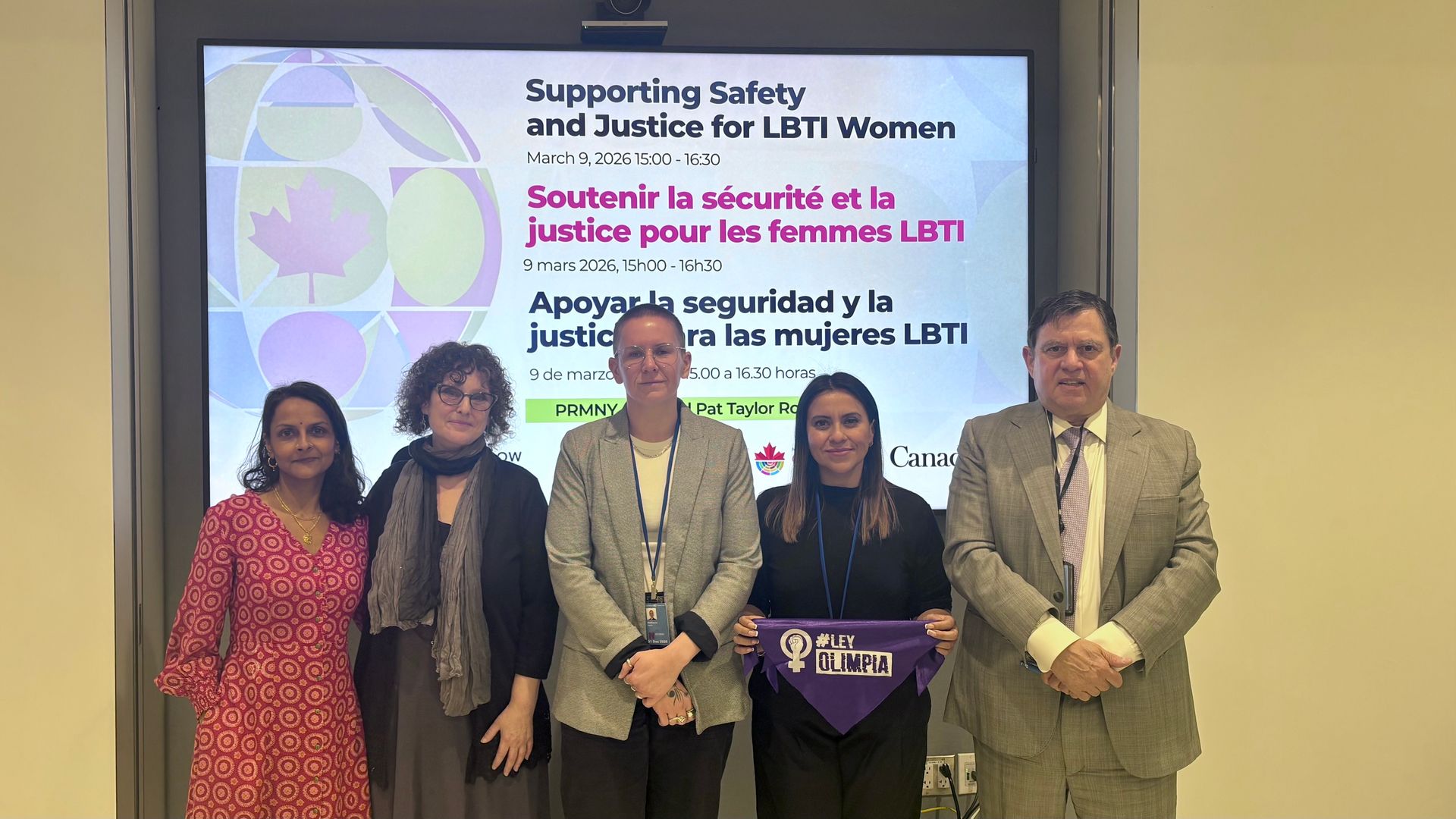
The 70th Commission on the Status of Women (CSW) was a milestone for LBTQI+ women worldwide, and for Rainbow Railroad. In a first for us, we partnered to host three important events. Firstly, with the Organization for Refuge, Asylum and Migration (ORAM), then again with the Permanent Missions of Canada and Mexico, and lastly with Outright International and Global South partners. Our takeaway from CSW: we need to turn up the volume on queer women’s voices. The world needs to hear what they are saying.During this CSW, the United States and their collaborators tried to strip trans people from the official text of the UN. They galvanized an international syndicate of anti-LGBTQI+ states to cement a binary definition of gender in official UN doctrine. They are still targeting the United Nations Population Fund (UNFPA), which provides sexual and reproductive health services, and UN Women, which works to advance gender justice. As we watch the United States pull back from a commitment to gender rights, LGBTQI+ refugee organizations, especially those led by and serving LBTQI+ women, are unable to respond to emergencies or emerging crises. This regressive policymaking will hurt trans and queer women around the globe, impacting their safety and mobility.We learned that the world has a lot of work to do toward building inclusive justice solutions, not just for displaced LBTQI+ women but with them. Rainbow Railroad spent the week elevating the issue of queer forced displacement in every room and in every conversation to mobilize the global community to respond to this crisis. At every meeting and on every panel discussion, we reminded policy makers and allies that the world is backsliding on rights and queer people are feeling it first. We told allies and partners that the world needs more safe, inclusive pathways for queer people. And we told them we have a model that the world can recreate.The Queer Forced Displacement Initiative (QFDI) is Rainbow Railroad’s next contribution to this work. The QFDI is a unique project to co-create an international network on LGBTQI+ forced displacement. The work we have done building the QFDI has allowed us to reflect on who is missing from the design of protection systems. The QFDI shows us that intersecting forms of discrimination are making it next to impossible for the most vulnerable to access justice. After two years of work, holding roundtables across the Global South, meeting with other advocates and learning from those who have lived these experiences, it is time to expand our “Initiative” into a “Network.” The QFDN is our new coordinated global network dedicated to improving protection, advocacy, and support for LGBTQI+ people experiencing forced displacement. The QFDN will be a tool of coordination that strengthens protection and community support globally. After our final conference in Bangkok, Thailand, on May 6-8, our initiative will become a network for action. The QFDN will use its expertise to respond to the crises that continue to face queer people in every region of the globe. This is a collaborative response to the crisis of queer forced displacement. It is the first global network to do this work at scale. And it will grow. At Rainbow Railroad we operate under the notion that LBTQI+ women must be at every decision-making table, not as tokens but as leaders and experts shaping the very systems meant to protect them. Presence and persistence are an important part of our work, especially when building partnerships grounded in shared values. We met with state representatives from Australia, Belgium, Canada, Denmark, Finland, Germany, Ireland, Iceland, Luxembourg, Mexico, the Netherlands, Norway, Sweden, and the United Kingdom to explore how feminist policy translates into real-world safety and justice for LBTQI+ women. We hope to reach this horizon in stabilizing pathways for LBTQI+ women in humanitarian crises, as we believe access to justice comes down to who is counted and who is funded, a fundamental principle and fact in the movement toward queer liberation. Our data is clear. Between 2015 and 2025, more than ten thousand LBTQI+ women reached out to Rainbow Railroad requesting help. Even though these requests come from different regions with distinct political and social problems, they show us one pattern: When laws criminalize, stigmatize, or fail to protect the most vulnerable women, displacement follows. Following CSW, we will continue to:Include LBTQI+ women as visionary partners in our work to build new pathways to safety, and reinforce and expand existing ones. Ensure that the specific needs, experiences, and rights of LBTQI+ women are fully integrated, considered and reflected in every humanitarian protection system.And call on states and other international donors to support our work, and the work of local, refugee-led organizations through the QFDI.
For many refugees, the move to a new country marks a difficult departure from familiar cultural norms and customs, often posing challenges in their initial transition abroad. But despite that swift change and period of adjustment, newcomers still carry a trove of knowledge and lived experiences that enrich not only the people they meet, but also the communities, workplaces, organizations, and institutions they become part of. That idea is at the heart of the Qissa Festival, a gathering that celebrates newcomer and refugee writers and rejects the idea that newcomer artists are “emerging subjects,” instead recognizing them as “established artists, thinkers, and cultural producers.” “An artist may have twenty years of professional experience in their home country, but in Toronto they are labelled as ‘emerging,’” say festival co-founders Haroon Khalid and Anam Zakaria. “Through this festival, we want to challenge that notion.” Eight creatives will share stories on March 29th at Small World Music in Toronto, starting at 11 a.m. Among their roster of talent is screenwriter, playwright, and filmmaker Tala Motazedi, who fled Iran two-and-a-half years ago. Now the PEN Writer-in-Residence at George Brown College, Motazedi credits her move to Canada as the start of a long healing journey addressing the challenges of living under a restrictive regime. Motazedi hopes that queer people and immigrants alike will find her movies healing in their own way. “When I came to Canada, a safe place, I started to do my real job of talking and writing. Making movies about my community, queer people, this is my duty. This is my destination,” she says. “From now to the future, I will make, talk, and write about the queer [experience].” (Motazedi’s 2023 film Orca, a tale of an Iranian record-breaking female swimmer, was banned in Iran, forcing her to leave the country.)It's a sentiment that is felt by many other artists looking to share their work with an audience.The Qissa festival will feature multidisciplinary performances, including readings, screenings, exhibitions, and oral histories telling the stories of Toronto-based immigrants and refugees. Rainbow Railroad recently spoke with the Qissa co-founders about the festival’s origins, the significance of spotlighting immigrant and refugee artists, and more. The following interview has been edited for clarity and brevity. Rainbow Railroad: Can you talk about Qissa and how the festival came to be? Both Qissa and the festival emerged from our personal experiences as racialized immigrant artists in Toronto. With Qissa, we wanted to create a space where immigrants tell their stories in their own words, without having to fit into a particular mould or framework, which is usually informed by the Western Gaze. The festival is then a way through which we bring our vision to life, with newcomer and refugee writers leading the conversation about their own experiences, without being told what stories are important to tell, and which ones are not.Why did you decide to put this event together? What do you hope potential attendees will take away or learn from it? Perhaps the biggest impetus behind this festival was to challenge the notion that newcomer and refugee writers are ‘emerging.’ We realized that even the most well-meaning support programs frame newcomer and refugee artists as ‘emerging.’ This ends up informing the kind of programming that is developed for these artists. So, an artist may have twenty years of professional experience in their home country, but in Toronto, they are labelled as ‘emerging.’ Through this festival, we want to celebrate these incredible artists for the depth of expertise and experience they bring, while encouraging the attendees to reflect on the current programs and support systems within the arts and beyond, including how they may need to be re-examined and re-imagined. We also hope that this is a space for attendees who have a love for the arts to engage with some brilliant performances and thoughtful conversations, and for other newcomers and refugees to feel seen and validated. Your event aims to highlight creatives "not as emerging subjects, but as established artists, thinkers, and cultural producers." Can you talk more about this? What do you hope artists will gain from their participation in this event? So, a lot of support programs that are established for newcomers and refugees are designed to ‘help’ them integrate into the Toronto landscape. Inevitably, a majority of these programs put the burden on recent immigrants to navigate systems — job market, housing, arts sector — without necessarily challenging the unfair and discriminatory systems. This sometimes positions immigrants as recipients of information, rather than a source of information, which is why many programs don’t necessarily reflect what recent immigrants actually need in terms of how to establish themselves here, but rather what people perceive they need. Through this festival, we want to put recent immigrants at the centre, to lead the conversation around the experiences of newcomers and refugees. We worked with all these writers to co-create this festival, from performances, panels, and programming. We wanted to create a space where participating recent immigrants can truly be themselves without being told what they need to do to ‘integrate.’What is the importance of spotlighting refugees and newcomers? Despite there being so many support systems already existing for refugees and newcomers, as recent immigrants ourselves, and based on our qualitative research with other immigrants, we believe that there is a wide gulf between what immigrants need and what support systems offer. Given how much money is invested in these newcomer and refugee support systems, we believe it is imperative to have these conversations, and challenge some of the dominant narratives around newcomers and refugees. At the same time, engaging with refugee and newcomer literary talent and art, beyond stereotypes and tropes, also creates a platform for both celebration and reflection on the stories people carry, and the stories they want to tell versus the stories we sometimes impose or want to hear.Why was it important to include queer artists and creatives?At the core of what we do is challenging the white gaze through which stories of racialized immigrants are told. And particularly in the contemporary political context, may that be wars being fought elsewhere, or political movements in Toronto, rainbow-washing is a dominant phenomenon, which is deeply entwined with the white gaze — perceptions of global south, and saviour narrative of the global north. Any story about the white gaze is incomplete without the story of queer artists and creatives.If you’d like to attend the Qissa festival, please RSVP here.
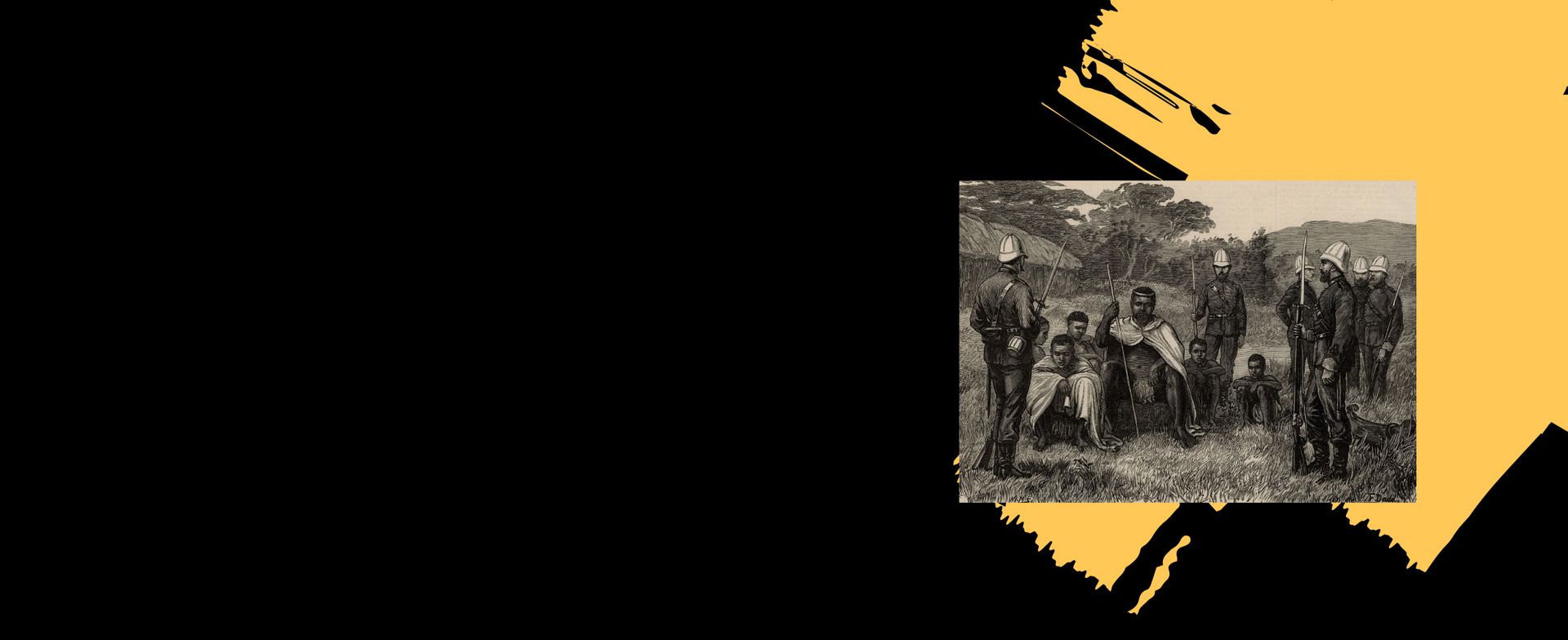
It's been decades since Ghana gained independence from the British Empire, setting off a chain reaction on a continent where dozens of countries struggled under the weight of European rule. But while British colonialism may seem like a hallmark of the past, its legal and cultural legacies remain deeply embedded in the present. Colonial-era anti-LGBTQI+ laws continue to shape legal systems and public attitudes, disproportionately impacting Black LGBTQI+ people across Africa and the global diaspora. In recent years, attacks against queer, trans, and gender nonconforming individuals have intensified alongside a broader global political shift to the far right, emboldening politicians to embrace and champion the backsliding of LGBTQI+ rights. Today, more than 60 UN member states criminalize consensual same-sex intimacy worldwide. Around half of such nations reside in Africa, with similar laws enforced across parts of the Middle East and Caribbean. Read More: The Anti-Homosexuality Act Now: The Path Forward for LGBTQI+ Rights in UgandaThe erosion of LGBTQI+ rights is rooted in a growing number of punitive laws: Uganda’s 2023 Anti-Homosexuality Act, one of the most extreme pieces of anti-LGBTQI+ legislation in the world, imposes life imprisonment for consensual same-sex relations. Nigeria’s Same-Sex Marriage Prohibition Act, passed a decade earlier, goes beyond just banning marriage equality. The law also prohibits same-sex public displays of affection and criminalizes LGBTQI+ organizations and gatherings. And across the continent in Kenya, same-sex intimacy between men is subject to up to 14 years in prison.In each of these instances, the criminalization of LGBTQI+ people can be traced back to anti-LGBTQI+ laws imposed by Britain. Some experts argue, however, that some countries have since expanded and intensified those provisions. “What we are witnessing today goes far beyond colonial legacy,” says Dennis Wamala, a Program Officer at Rainbow Railroad, who fled Uganda and relocated to Canada with the organization’s support. Read More: ‘Silence Was Not Survival’: How Dennis Turned His Story into Action“In countries such as Uganda, these laws have been deliberately expanded and weaponized under the influence of religious extremism and political opportunism. The result is legislation that is not only more punitive than the original colonial statutes, but openly inhumane,” he adds. “This is not about protecting culture or morality, it is about using LGBTQI+ people as political scapegoats to mobilize fear, distract from governance failures, and consolidate power.”A history of colonial anti-LGBTQI+ laws Homosexuality was first codified as a civil crime in Britain following King Henry VIII’s passage of the Buggery Act of 1533, which made sexual relations between two men punishable by death. The law, which described same-sex sexual relations as “detestable and abominable,” remained in place in some way or another in England and Wales until 1967. In the centuries following the passage of the act, negative attitudes towards homosexuality remained dominant in society, with little movement towards equality. By the late 1800s, as several European nations, and particularly Britain, moved to take control over the African continent, such beliefs of queerness were imposed on African colonies under the British Criminal Code Act of 1916. The law criminalized "carnal knowledge against the order of nature," similar to the 1862 Indian Penal Code—used in the then-British colony of India—which also criminalized same-sex intimacy. The impact of British anti-LGBTQI+ laws The new laws imposed on African colonies marked a significant shift from a range of societal norms, where homosexuality was not consistently treated as a crime and, in some societies, was accepted within social life. While conservative voices today may promote anti-gay laws to protect traditional “African family values,” with Ugandan President Yoweri Museveni calling homosexuality a “deviation” and asking lawmakers to resist “imperialist” pressure, research indicates that there were no policies outlawing homosexuality in Africa prior to colonization. Nevertheless, the influence of modern-day religious and Evangelical movements, and their homophobic nature, has become common all across Africa, as it's also been embraced as a popular political tactic to earn support from voters. The consequences are tangible. Uganda currently ranks third in the list of countries where Rainbow Railroad receives the most requests for help. Since the passage of the Anti-Homosexuality Act in March 2023, Rainbow Railroad has received more than 3,400 requests for help. That's not to say that LGBTQI+ equality has not made strides among some former colonies. South Africa became the first country on the continent to legalize same-sex marriage in 2006, ahead of England and New Zealand. The state functions as a pioneer in the region despite current challenges impacting queer, trans, and gender nonconforming refugees who flee to the country from other nearby regions. In June 2024, the Namibian High Court decriminalized same-sex relations—reversing a colonial-era law inherited from South Africa. A year earlier, the court recognized some civil unions between same-sex couples conducted abroad. That advancement came with swift backlash: In 2025, Namibian President Nangolo Mbumba passed a bill to block recognition of same-sex marriage, likely in response to negative cultural attitudes towards queer, trans, and gender nonconforming individuals. Elsewhere, similar tensions continue to unfold. The Kenyan Court of Appeals last year adjourned constitutional challenges to their existing penal code, which criminalizes same-sex actions. Earlier, the state considered Family Protection Bill 2023, which would expand current penalties for same-sex intimacy and further prohibit homosexuality, same-sex marriage, gender-affirming care procedures, and more. More than 2,200 requests for help from Kenya have been recorded from 2020 to 2025, with a near 200% increase from 2022 to 2023.Looking aheadThe legacy of colonialism continues to shape the legal and social realities facing Black LGBTQI+ people today. But it does not define the future. Across Africa and the global diaspora, activists, community leaders, and advocates are challenging inherited laws, reclaiming histories, and building movements grounded in dignity, care, and self-determination.Progress is often uneven, and frequently met with resistance, but it is undeniable. Court victories, community organizing, and international solidarity are opening new pathways towards safety.The work ahead remains urgent. Dismantling colonial-era legal systems, confronting political opportunism, and addressing deep-rooted stigma will require sustained commitment. The story is still being written, not only in courtrooms and legislatures, but in the everyday courage of people refusing to disappear. And in that collective resistance lies a powerful truth: change is not only possible, it is already underway.
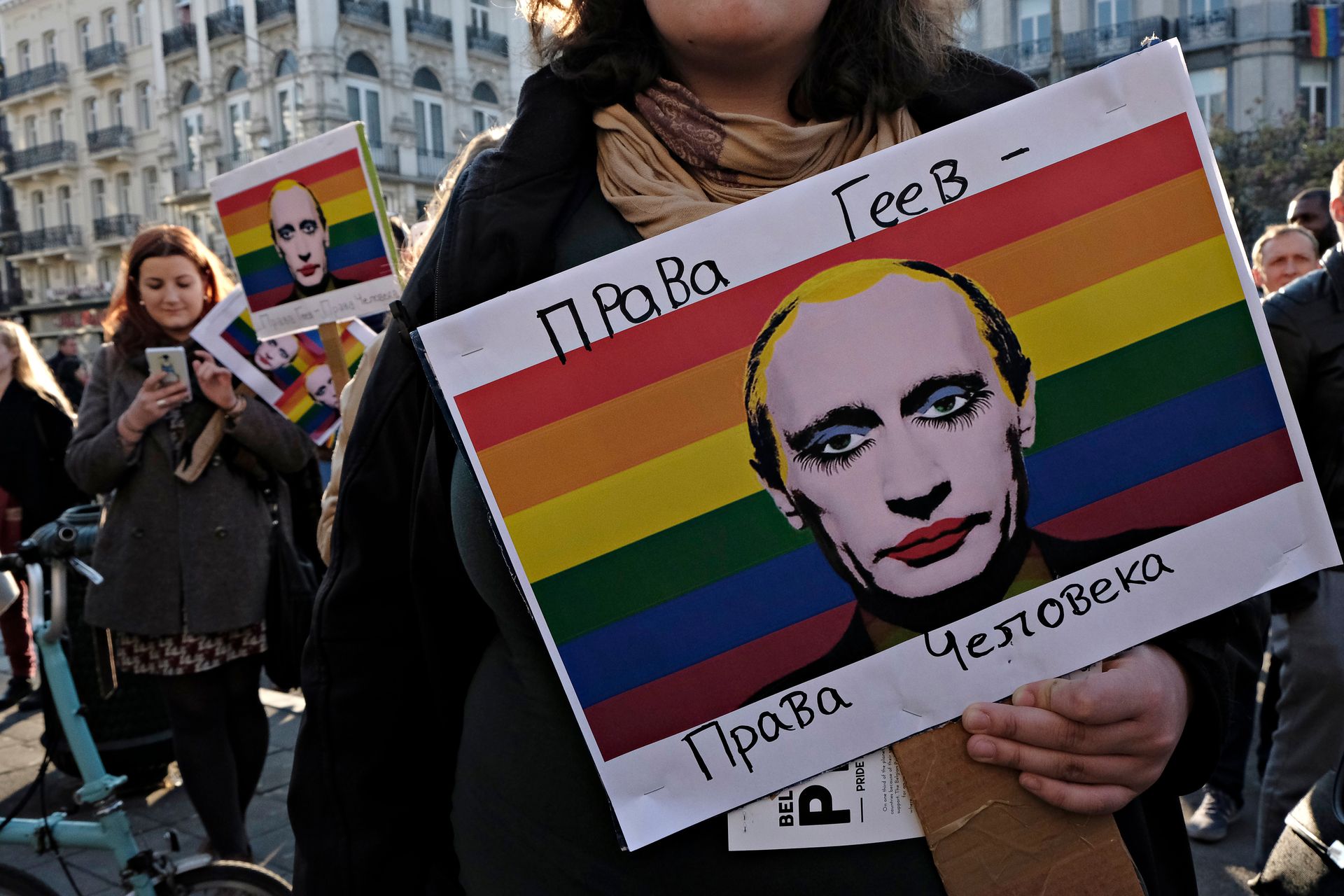
Rainbow Railroad condemns the decision of Russian authorities to continue their crusade to criminalize queer people. Earlier this week, the government threatened to designate the Russian LGBT Network, one of the country’s largest LGBTQI+ civil society organizations, as an “extremist organization.” If approved, any participation in the organization’s activities, including volunteering, providing services, or displaying its symbols, could lead to administrative or criminal prosecution. This action follows the continued escalation of anti-LGBTQI+ repression, including the 2023 ruling that labelled the “international LGBT movement” as extremist and enacting legislation that restricted gender-affirming care and legal gender recognition.Russian authorities have intensified efforts to limit access to LGBTQI+ information online, including blocking Rainbow Railroad’s website, censoring independent media, and expanding laws that criminalize access to materials labelled “extremist.” These measures sever a critical lifeline that many LGBTQI+ people rely on to obtain information on existing legal protections, guidance, and pathways to safety, deepening isolation and increasing vulnerability for LGBTQI+ Russians already at risk.Rainbow Railroad has repeatedly denounced the broader campaign targeting LGBTQI+ civil society across Russia and the wider region. “This is life-threatening for many LGBTQI+ Russians. Anti-LGBTQI+ judicial actions are directly driving protection needs and forced displacement,” says Ilana Landsberg-Lewis, CEO, Rainbow Railroad.In 2025, Rainbow Railroad received over 600 Requests for Help from LGBTQI+ people living in Russia or Russian citizens, representing a more than 50% increase compared to the previous year. Notably, 65% of requests were submitted by LGBTQI+ Russians still residing within the country. LGBTQI+ Russians requesting help specifically cited the dangers of being openly queer in Russia, and the legal risks created by the designation of queer movements as “extremist.” “These figures reflect escalating risk, shrinking civic space, censorship of information channels, and the growing barriers LGBTQI+ people face in accessing protection and support,” says Langsberg-Lewis. “All these risks have been reported by our Russian partner organizations, who are all being targeted by this harmful campaign.”Rainbow Railroad has supported LGBTQI+ individuals fleeing persecution from Russia since the Chechnya anti-gay purges and continues to expand emergency relocation pathways and crisis response systems for those at risk. In response to the current escalation, Rainbow Railroad is mobilizing emergency assistance to support the Russian LGBT Network to ensure that LGBTQI+ Russians affected by these developments continue to have access to safety, reliable information, legal protections, and secure pathways to refuge. As Russian authorities attempt to ban human rights organizations, restrict the public display of LGBTQI+ symbols and public expression, they cannot erase LGBTQI+ communities or the global queer movement that sustains them.We call on the Canadian government, the European Union, community members and international partners to act with urgency and principle by sustaining funding for human rights defenders and frontline LGBTQI+ civil society organizations worldwide, and consider the following actions:Expand emergency visas and dedicated human rights defender protection streams for LGBTQI+ Russians forced into exile.Publicly condemn the weaponization of “anti-extremism” laws used to criminalize identity, suppress civic space, and legitimize the systemic assault on the rights of LGBTQI+ people.Increase flexible and rapid-response funding for frontline LGBTQI+ organizations providing humanitarian protection, relocation assistance, and crisis services to LGBTQI+ Russians in forced displacement.Safeguard access to independent LGBTQI + information channels and secure communication platforms that connect LGBTQI+ people who face persecution to life-saving protection pathways and LGBTQI+ support networks.We call on our community to donate in support of Rainbow Railroad’s work to mobilize emergency assistance for those most at-risk. The attempt to label Russian LGBTQI+ organizations as a national threat is part of a broader effort to erase communities from public life. Yet their continued existence is a powerful act of resilience. Rainbow Railroad stands alongside those working in difficult and courageous spaces to defend the rights, safety, and dignity of the most vulnerable, and we call on the international community to act with urgency to protect them.
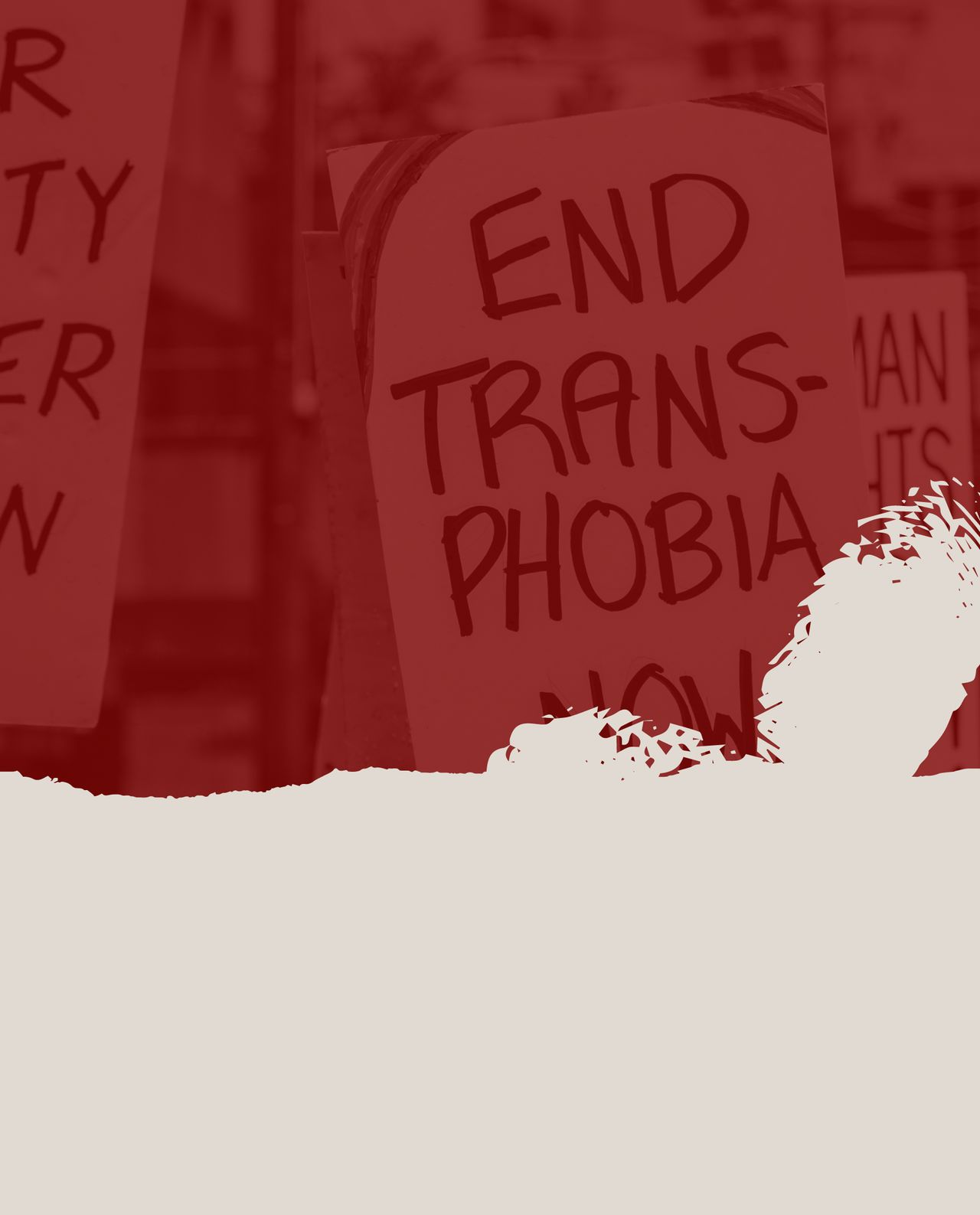
How Rainbow Railroad’s Crisis Response and Grassroots Mobilization Funds are empowering frontline organizations with funding assistance during a period of increased need.
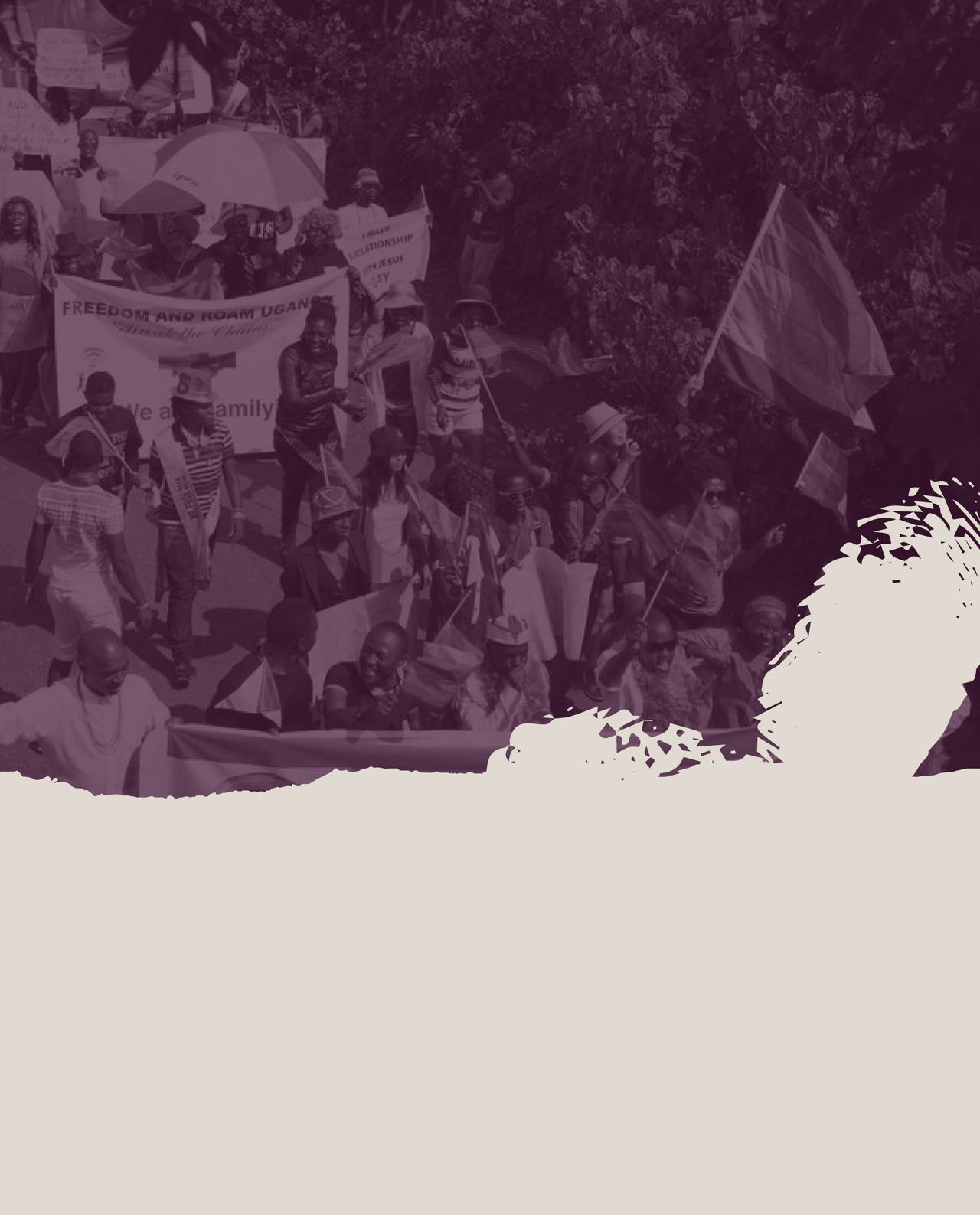
It has been almost three years since the Ugandan Anti-Homosexuality Act (AHA) was signed into law, representing one of the most extreme pieces of anti-LBGTQI+ legislation in the world. In that time, the global LGBTQI+ movement has witnessed a notable decline in support for LGBTQI+ rights and movement building across various democratic, legal and humanitarian protection systems. Rainbow Railroad has been closely monitoring the situation in Uganda; since the passing of the AHA, we have received over 3,450 requests for help from Ugandan citizens. In October, Rainbow Railroad hosted a meeting with representatives from Dignity Network Canada, a delegation of advocates opposed to the AHA, the Westminster Foundation for Democracy, and trusted partner Sexual Minorities Uganda (SMUG) to discuss the impacts of the bill on human rights defenders and LGBTQI+ persons in Uganda. The Anti-Homosexuality Act: The Continued Impact of Legislated HatredThe AHA seeks to prohibit any form of same-sex intimacy and its promotion or recognition. Prior to the passing of the AHA, same-sex intimacy was already criminalized in Uganda. The Penal Code 1950 criminalizes acts of carnal knowledge against the order of nature’ and ‘gross indecency’, colonial-era provisions which were retained after independence, and are punishable by life in prison. The United Nations Committee on the Elimination of Discrimination against Women ruled last year that criminalization of consensual, same-sex intimacy between women (and by extension, all people) is a human rights violation. Since the passing of the Anti-Homosexuality Act, these requests have grown exponentially with 291% increase compared to 2022. In 2023 alone, we witnessed a 2,057% surge in requests for Help from Uganda compared to the same period in 2022. Our advocacy has included the elevation of calls to action from Ugandan partners such as SMUG, with Canadian civil society and government representatives. Perspectives from the Ground: Coordinating with Local PartnersDuring the meetings hosted in October, our staff were briefed on the barriers faced by human rights defenders and the broader LGBTQI+ community since the passing of the bill. Partners described how violence towards the LGBTQI+ community remains disproportionately widespread across all systems. There has been a significant rise in the number of internally displaced LGBTQI+ persons due to forced eviction of LGBTQI+ people, which is mandated by the AHA. SMUG also described how global donors operating in Uganda have begun removing any informational materials related to LGBTQI+ care from their programming, a clear indication of how organizations offering LGBTQI+ services are forced to self-censor any LGBTQI+ content for fear of legal or political reprisal. Coupled with the recent cuts to USAID funding for humanitarian aid, many healthcare centers and clinics have been forced to shut down. This erasure means that many LGBTQI+ Ugandans are unable to access essential care with dignity and respectA representative from Westminster Foundation described how people perceived to be LGBTQI+ are subject to arbitrary arrests; they shared an example of three women who were detained for multiple days and subjected to forensic testing merely for their suspected affiliation with the LGBTQI+ community. One human rights defender described the bill’s far-reaching effects in portraying LGBTQI+ identity as a threat to the state. They explained how Ugandan LGBTQI+ people have been legally classified as an “aggravated circumstance” under multiple laws, including the HIV Control and Prevention Act and the amended Penal Code. The Future of the LGBTQI+ Movement Across AfricaThis pattern is not unique to Uganda. This year alone, we have witnessed similar developments across the African continent, notably in West Africa, where evangelical coalitions and political regimes are promoting anti-LBGTQI+ sentiment under the guise of moral protection. One of our experts provided a real-life example of how global actors continue to fuel anti-LGBTQI+ rhetoric by investing $40 million in establishing “African Centre for the Rehabilitation of LGBTQI+ Persons” effectively creating a conversion therapy institution.In early 2026, Ugandans will head to the polls for a general election. Activists and human rights defenders anticipate heightened arrests and expect that violence and political scapegoating of LGBTQI+ persons will continue to rise. Local LGBTQI+ grassroots organizations such as SMUG remain vital lifelines in providing support to displaced LGBTQI+ peopleA Global Call to ActionStrengthening international partnerships and elevating the calls of local human rights defenders is critical in the ongoing resistance to the anti-LBGTQI+ movement. As far-right and evangelical groups intensify radicalization efforts through political and religious systems, Rainbow Railroad continues to provide ongoing support to Uganda. We have fostered over 15 partnerships with grassroots LGBTQI+ organizations, and provided direct support to over 2,517 people, in the form of advocacy, livelihood assistance and shelter. We call on civil society and governments to continue to support the efforts of the LGBTQI+ movement in Uganda.Canadian Civil Society Organizations can support by: Pressing demand for broader sensitization and capacity building on LGBTQI+ issues, particularly through Know Your Rights workshops. There is an urgent need for sustained engagement with members of Parliament as well as enforcement agencies, acknowledging that many remain unaware of the lived realities and needs of queer communities. Both SMUG and Westminster Foundation have initiated targeted advocacy with MPs, including those involved in youth affairs.Ensuring that key advocates are “in the room,” informed of agendas and positioned to speak out is critical. For example, participation in forums such as the Family Values Conference has proven effective in influencing public opinion and challenging anti-rights narratives. Our guest shared how the lack of civic spaces to convene has an impact on the momentum of the LGBTQI+ movement. Since the passing of the AHA, avenues for human rights defenders and LGBTQI+ Ugandans people to convene have become nearly non-existent. Organizations cannot afford to ensure consistent representation. For example, only one delegate could attend the ILGA Conference instead of a broader delegation of 20 MPs and advocates. This restricts engagement in both global and local policy dialogues and undermines the visibility of queer rights advocacy in international fora.Producing shadow reports and coalition-led studies helps to amplify local realities and equip advocates with data to challenge existing discriminatory laws. invaluable in building momentum within the Ugandan LGBTQI movement, offering up practical tools for those on the ground.Engaging the private sector, especially large corporations in the global north. These entities can exert significant influence by publicly opposing regressive laws and adopting internal policies aligned with human rights principles.Encouraging the Government of Canada to mandate inclusive language and policy commitments in its international programming. Canada continues to act as both a convener and amplifier in global advocacy spaces and provides humanitarian assistance to LGBTQI+ movements.