Profiles
Every 26 minutes, an LGBTQI+ person reaches out to Rainbow Railroad for help.
4 min read
Stories from our Work
-1920x1080.png)
Before boarding the plane to the Netherlands, Nazhyme recalls feeling tense about many things, including, most significantly, whether his daughter could tolerate the more than 12-hour journey ahead. But miraculously, he slept. “It was almost like sleeping while holding my breath, as if I was trying to store rest in my body while everything inside me was still tense,” Nazhyme, who is transmasculine, says. “I did not know when I would feel safe enough to rest again, so I took it then.”Nazhyme relocated to the Netherlands in 2024 to escape persecution in his home country of Jamaica. He initially reached out to Rainbow Railroad two years earlier, after his gender identity and activism started to pose a risk for his family, escalating to the point where he had to abandon his house and move from Airbnb to Airbnb. While he is thankful for the support US-based nonprofits provided during this time of immediate need, it was clear to him that his family needed to leave to ensure his children had the stability they deserved. “The months leading up to my relocation were intense, emotional, and filled with both urgency and uncertainty,” he says. “I was trying to hold everything together while preparing for a future I could not fully see, but knew I had to step into.” Life in the Netherlands Now that he has a residence permit, Nazhyme feels hopeful about the opportunity to build a home in a place where he can continue his advocacy work — this time without the same risks. The freedom to work in and for the LGBTQI+ community is Nazhyme’s favorite thing about the Netherlands thus far. “I get to be a part of change. I get to go inside different asylum centers and speak to refugees about their trauma and help them to understand what their triggers are,” he says. “Jump[ing] back into volunteering fills me, it keeps me going.”Some of the highlights of the past year include conducting workshops on the International Day Against Homophobia, Biphobia, and Transphobia for the Central Agency for the Reception of Asylum Seekers, participating in a Trans Day of Visibility event, and representing other asylum seekers like himself. There are also tender interactions that have moved him to tears: being shown a private restroom when he felt conflicted about what bathroom to use, the kindness he was met with upon his asylum declaration, and more. “Resettlement is not just about relocation,” he says. “It's about rebuilding a sense of self, safety, and belonging. And sometimes, it starts with something as simple as someone noticing you, understanding you, and quietly showing you where you belong.”Reflecting on His LGBTQI+ Ancestors For Nazhyme, Pride evokes feelings of “joy, shared community, and belonging.” Seeing it as a space where he’s not only “accepted” but “celebrated,” Pride functions as a feeling and space where he remembers that he can exist fully and apologetically. Rainbow Railroad’s theme for this year’s Pride campaign, Solidarity in Pride: Then. Now. Always., deeply resonates with him. He reflects on the freedoms that he is able to have thanks to the strides made by those that came before him. “There were people who believed I deserved to be here, to be safe, to be seen, and to be loved. Some of them gave their lives to make that possible,” he says. Looking ahead to the future, he commits to creating a world that is more compassionate and resilient than what he inherited. You can help Rainbow Railroad support other families like Nazhyme's this Pride. Consider donating to us this month as we continue to support generations of LGBTQI+ people to come.
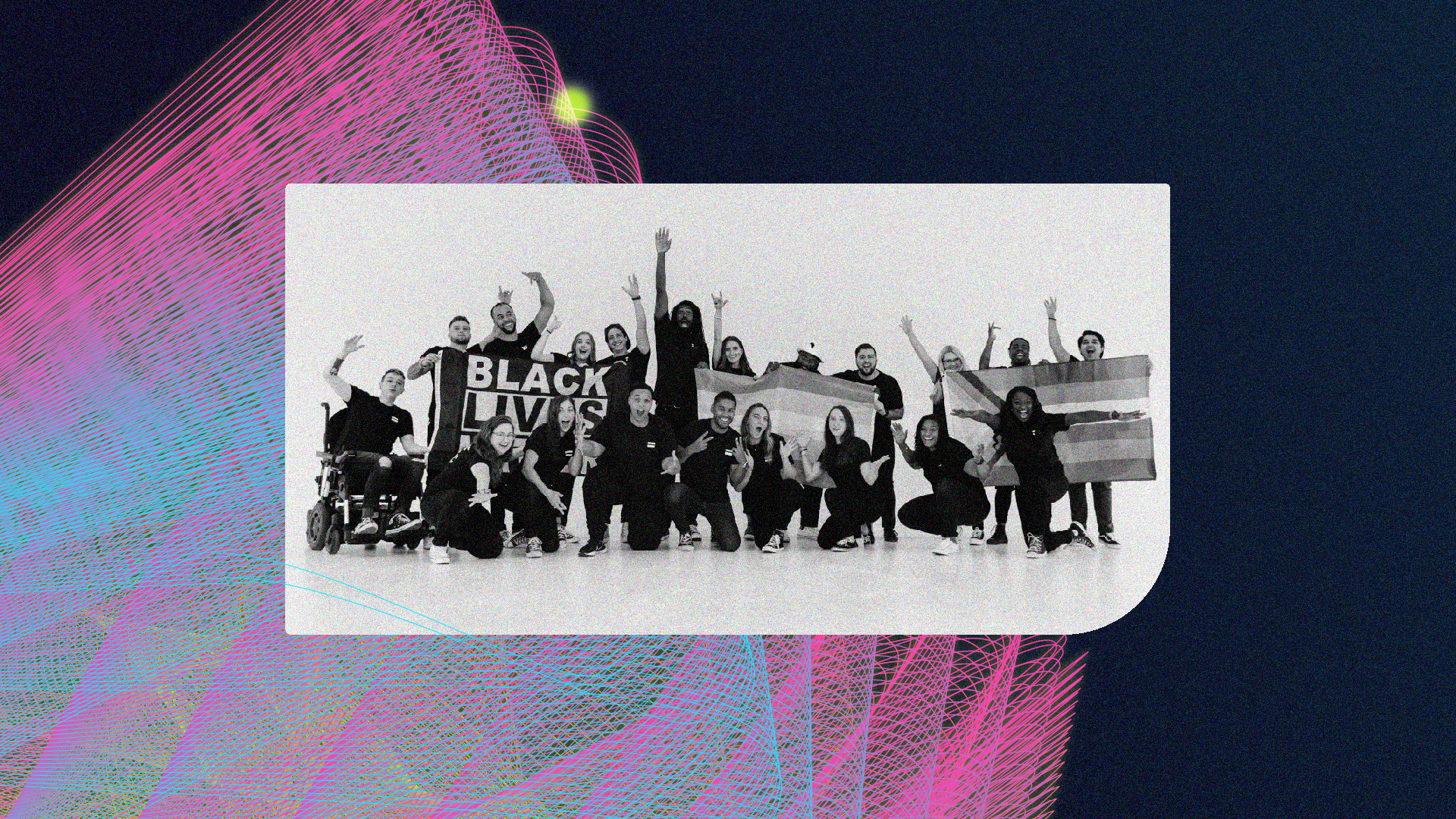
For Courtney Allain and the Get REAL team, the annual collaboration between Rainbow Railroad and the Get REAL Movement, both of which support LGBTQI+ individuals, felt like a “natural choice” given the organizations’ overlapping core values.That may be why the Get REAL Movement is partnering with Rainbow Railroad for the fifth year in a row for a virtual 5K fundraiser. “[Rainbow Railroad’s] focus on helping people escape life‑threatening persecution felt like a powerful extension of our own work to combat discrimination and build empathy through education,” said Allain, a chapter and events manager at Get REAL. “It felt less like ‘fundraising’ in the traditional sense and more like being part of something with purpose, alongside a bunch of other people who care.” Read More: Your Fundraising Questions, AnsweredThe Rainbow Road 5K will help queer families in Canada and across the globe feel safe in workplaces, classrooms, and more. Get REAL works towards that goal by establishing workshops to fight against 2SLGBTQ+ discrimination, racism, and bullying. The organization has raised more than $30,000 for Rainbow Railroad over the last half-decade. This year, they’re hoping to go even farther and meet that $50,000 benchmark. The collaboration helps bring light and fun to organizations that take on tough work. “Supporting a serious cause doesn’t have to feel heavy all the time—it can be fun, it can build community, and it can bring people together in unexpected ways,” says Allain, who points to a fundraising team that decided to kayak in Lake Ontario from Toronto to support the cause. Now more than ever, it's important to show how similar causes can lift each other up, instead of “competing for audiences, dollars, time, and exposure,” she adds. “I don’t think safety should be a privilege—I think it should be a right,” says Allain. “I hope our fundraising efforts help move us closer to that, while also helping people recognize that what feels “normal” or “safe” for them isn’t the reality everywhere.”The 5K will officially take place on Friday, June 26th, though participants can choose to take part in the fun at any point before then. Want to join in on the fun? Sign up for the Rainbow Road 5k or consider hosting your own fundraiser for Rainbow Railroad, today.
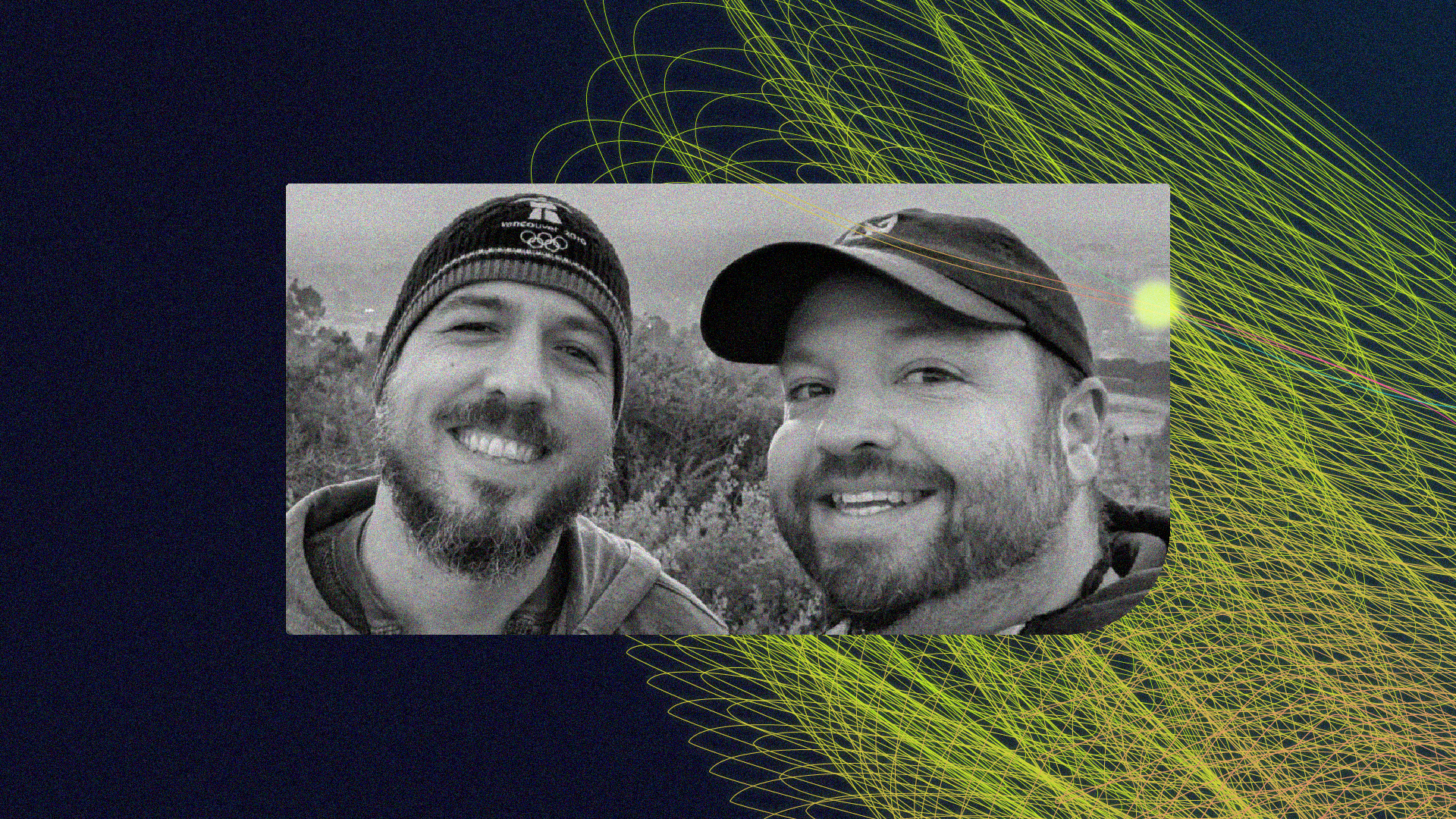
When Russ and Brad first met in 2003, the year was marked by a landmark Massachusetts Supreme Court ruling that made the Northeastern state the first in the US to legalize marriage equality. But despite that triumph, the decision generated a political storm of anti-LGBTQI+ sentiment that extended from coast to coast. Brad and Russ felt that firsthand when, a half-decade later, a California ballot initiative swiftly reversed a similar court decision, effectively banning same-sex marriages in the Golden State. “We got married the year it became legal in California,” says Russ. But, “for the next few years, it was actually technically illegal in California. Though we were still married, it was unclear what our legal status was.” That experience, and their identities as two gay men, have largely shaped how the married couple shows up for their community — including as volunteers with Rainbow Railroad. Channeling Frustration to Action: Community Support Teams Today, Brad and Russ encompass two-fifths of Team Hollywood Depot, a US-based Community Support Team (CST). CSTs provide asylum seekers in the US and Canada with integration support for six months, serving individuals in their local region. The program’s operation in the US has filled a critical need in a region where LGBTQI+ refugees, newcomers, and asylum seekers have faced particular barriers to safety. The couple believed that the community would continue to face this problem regardless of the outcome of the 2024 presidential election. “The Trump administration was running and ramping up, and it kind of looked obvious that regardless of the outcome of the election, a lot of attention would be given to asylum seekers,” Russ says. That has proven true. Since January 2025, the United States has dismantled much of its asylum system and currently leads the list of countries where people are requesting help from Rainbow Railroad. That includes hundreds of non-citizens who are currently living in the US, but originally hail from countries such as Venezuela, Honduras, and Guatemala. Living in a predominantly immigrant community, coupled with their own history of giving back to the LGBTQI+ community, made signing up for a CST the next natural step. They were then matched with Noah (whose name has been changed for safety reasons) — a newcomer who spent months in ICE detention. Together, Brad and Russ have been able to channel their frustration into action, remain educated about what the actual asylum process looks like, and work to create positive experiences for those who have come to the US in search of a better life. “I was aware of a certain level of dysfunction in the American immigration system, but boy, did I really underestimate how dysfunctional this system is,” says Brad while reflecting on what he’s learned from volunteering with Rainbow Railroad thus far. “So many of the hurdles and difficulties and challenges seem so arbitrary. So many of them are so cruel.” Generating Hope, Joy, and A New Outlook On Life in the USWatching Noah experience firsts in the country with so much "effervescence," they say, has given them both joy and perspective. “The fact that we're here… and frustrated with our country, thinking, ‘Why would anybody want to come here right now?’ And he's here, he's happy to be here, knowing all the risks and challenges there are politically and socially right now, but also knowing that it's worse back home is sad, but also gives me a little bit of hope.” says Russ. Being able to experience other firsts alongside Noah also feels significant. Brad points to many shared moments together: eating Korean barbecue, spending Christmas together, and even going to the beach in the middle of winter — despite the cold and foggy weather. While their six month volunteer experience is soon coming to an end, Brad and Russ look forward to continuing to show up for Rainbow Railroad, and other organizations close to their heart. Russ says: “This is one of those areas where you still can make a positive difference in terms of connecting and building community for those who… do need to be integrated into the world not just legally, but also socially and culturally, to help them understand the communities they are now being a part of.”Their relationship with each other and Rainbow Railroad mirrors the longevity and strength of the LGBTQI+ community worldwide, and Rainbow Railroad’s Pride theme this year, Solidarity in Pride: Then. Now. Always. —---Rainbow Railroad launched our Community Support Team program in direct response to the dismantling of the US asylum system under the current administration. Help us continue our work and presence in the US by donating this Pride.

For years, Jumana lived under a cloud of instability. When she first reached out to Rainbow Railroad for help in 2019, the 45-year-old trans woman reported experiencing family persecution — abusive behaviors by relatives who do not accept someone’s gender identity or sexual orientation — forcing her to constantly be on the move to avoid being tracked down. These personal circumstances, coupled with Egyptian state persecution of LGBTQI+ people, posed risks to her life. “It's not legal to be trans or LGBTQ in my country… [and] unfortunately, it was a very bad life for me,” says Jumana, who now lives in Germany. “I decided to relocate anywhere to live my life as I feel and to feel free and also to be safe.”Jumana is one of hundreds of individuals who Rainbow Railroad has assisted in recent years through Emergency Travel Support (ETS), a core organizational program that helps at-risk queer and trans asylum seekers access international relocation. The need for help in her country of origin is dire. Rainbow Railroad has received more than 2,000 requests for help from people living in Egypt since 2021. More than a third of individuals cited family persecution as one of their concerns, though they also mentioned societal persecution, threats, harassment, violence, and more. Across the African continent, in particular, the need to support LGBTQI+ identifying people is quite significant: More than two dozen African countries have strict policies outlawing consensual same-sex relations, largely due to their colonial legacy. Read More: The Unequal Impact of Colonial Laws on Black LGBTQI+ LivesWhile the weight of such circumstances can be stifling at times, Jumana encourages other asylum seekers like her to try to “be strong and believe” in their dreams to have the strength to keep going. That mental fortitude is what kept her safe on her own journey, despite concerns that “something bad would happen.” “I told myself to be confident and be strong, as it was my chance to get a better life,” says Jumana. “Then, when I passed through border control… it was really very good — a moment I can't forget for the rest of my life. It was like a dream for me.”Jumana was finally able to relocate in 2023. Now, she says she feels “safe and free.” “My life is stable, I am trying to learn the language, and I am working part-time while studying. The best things here are the respect and the support,” she says. Reflecting on the theme of this year’s Pride campaign “Solidarity in Pride: Then. Now. Always,” Jumana points to the need to learn from past mistakes in order to progress forward. “We should accept everything and try to improve ourselves,” she says, “and learn from the past mistakes for a better life.”Help Rainbow Railroad continue to support at-risk LGBTQI+ refugees by making a donation today. Celebrate Pride by reading the stories of other newcomers we’ve assisted, here.
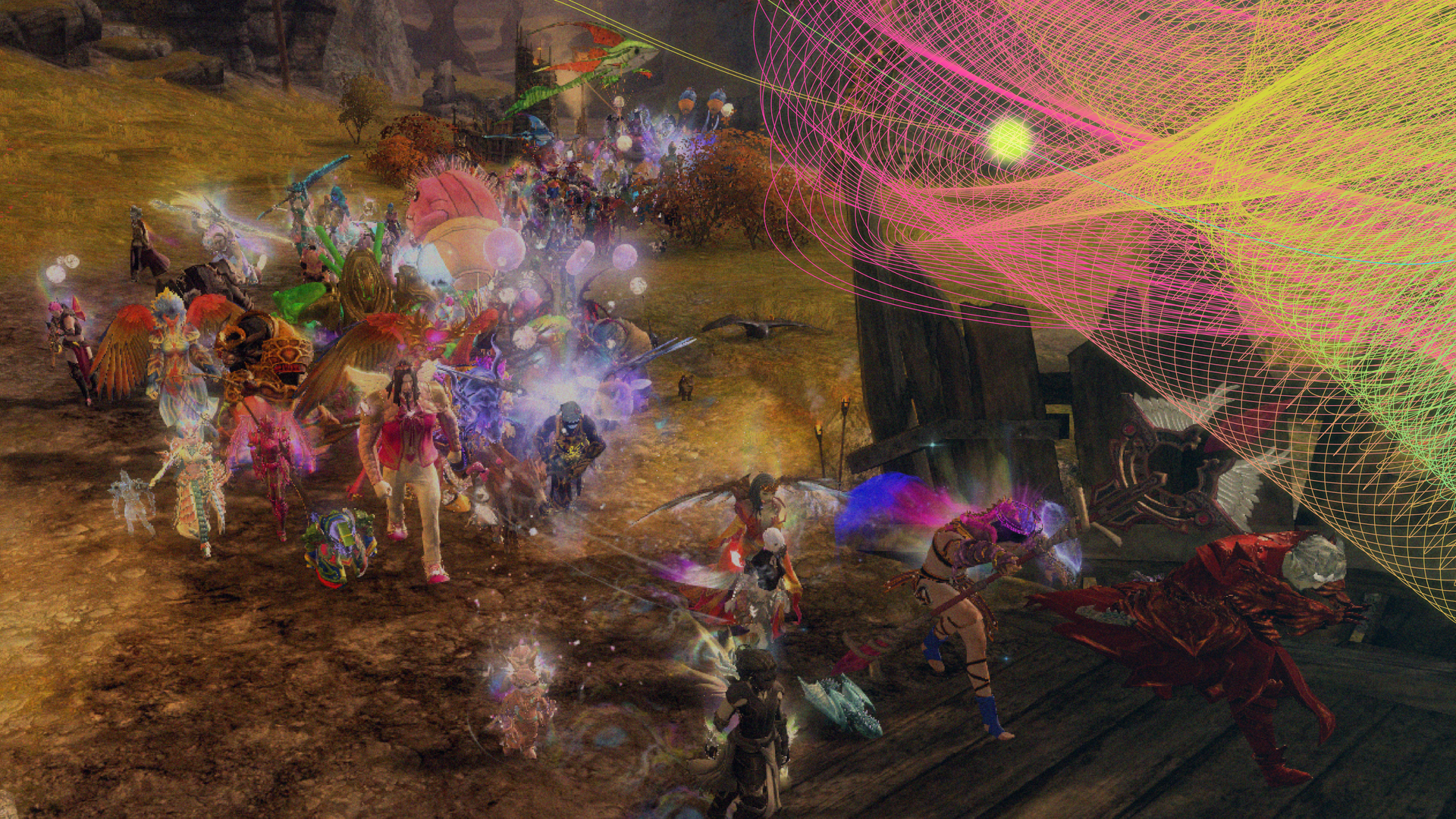
Today, queer and trans visibility is growing increasingly precarious: In the United States, the National Park Service temporarily removed the Pride flag at the Stonewall National Monument to comply with administrative regulations. In Russia, authorities fined and jailed locals for displaying rainbow-colored items. And in the private sector, corporations, institutions, and businesses have opted to reduce funding for Pride events, end sponsorships, and remove rainbow flags from their brick-and-mortars. But despite this global retreat, organizers like Lelling are creatively fighting against anti-LGBTQI+ policies by creating virtual safe spaces for all to enjoy. Lelling is one of the masterminds behind Tyria Pride, an annual online gaming event that raises funds for Rainbow Railroad. The Pride event gathers players from across the globe — including regions where same-sex relations are still criminalized — at Ebonhawke in the video game Guild Wars 2. Together, players gather to take part in an in-game Pride march towards the gates of Rata Sum in Metrica Province. How Gathering Virtually Breeds Inclusivity The virtual aspect of the game offers queer and trans people who may be hiding their true identity the freedom to discretely attend a Pride event. “Many people might be closeted or simply feel unsafe, so an online event like Tyria Pride can offer anonymity and privacy while still being able to connect with other queer people, and because it all happens in a video game, it doesn’t leave digital footprints like searching queer terms would,” says Lelling. “For many, it has been a doorway into exploring their queerness for the very first time.” This June, Tyria Pride will be celebrating its 10-year anniversary. To run, the month-long celebration relies on the generosity of streamers, volunteers, artists, and gamers who are willing to contribute in-game prizes, and organize in-game events. The power of community can be a moving experience. “It can be pretty overwhelming to see how far our fundraising has reached over the years, and to think about that effort turning into direct impact can be very emotional. It’s a very powerful and inspiring feeling,” says Lelling, who is queer. They were inspired to start fundraising for Rainbow Railroad “in light of worsening trends for LGBTQI+ protections around the world.” That backsliding is reflected in the increased calls for help Rainbow Railroad received in 2025. More than 20,000 requests from individuals were submitted last year, marking the highest in the organization's history. Despite the current state of the world, Lelling hopes that LGBTQI+ asylum seekers and refugees who need help remember that while they may feel alone, “there is an entire community of people out in the world that wants you to feel safe and loved.” Rainbow Railroad relies on the support of amazing fundraisers, like Lelling, to continue our work. Consider rallying your community with the goal of helping queer and trans refugees, today.

As part of Rainbow Railroad’s efforts to better respond to LGBTQI+ refugees’ resettlement needs, we launched a Queer Refugee Internship Program. Our program provides a unique opportunity for refugees to gain vital work experience, learn new skills, and connect with professionals while elevating the voices of queer refugees.We’re highlighting the stories of individuals who were part of the Queer Refugee Internship Program’s most recent cohort. In this post, a recent QRI shares experiences of interning with Pride at Work Canada.My name is Andres Felipe Caro Díaz. I am 28 years old, born in Bogotá, Colombia, and I am an industrial engineer from the Konrad Lorenz University Foundation, with experience in documentation, process improvement, and process automation.I completed my internship as an Executive Office Intern (Data & Process Optimization) at Pride at Work Canada. My responsibilities included supporting the management of events such as Pink Tank, Pink Awards, and World AIDS Day; updating the office’s digital asset inventory and helping reorganize the workspace; gathering information generated from events for later review; and analyzing how databases were being managed and stored in the system, identifying improvements for better optimization and understanding among all staff members.From my internship at Pride at Work Canada, I can say that I gained a strong sense of belonging to the 2SLGBTIQ+ community—something that had been difficult for me to express because of the place and culture I come from. What once made me feel embarrassed is now something I understand I can be proud of. I was welcomed here and treated with respect and empathy, and that is exactly what I want to continue applying in my future work experiences, as well as in my personal life.Being part of the Rainbow Railroad’s Fall Queer Refugee Internship cohort has been an invaluable experience for me, not only within the Canadian professional environment but also within an organization whose ideals and vision of the world I genuinely share. For that reason, I am deeply grateful and more motivated than ever to continue moving forward.I am currently focused on improving my professional skills, including my communication skills in English. One of my goals is to become more fluent and communicate in a more professional way. I hope to find a job that is meaningful to me and that creates a positive impact in the world. Since I left my country, everything has been a bit more challenging—leaving behind my family, my job, my friends, and everything I knew—and now I want to find a stable employment opportunity that allows me to keep growing and support my family, building little by little the peace and stability we are hoping for.As a refugee and a member of the 2SLGBTIQ+ community, I can say that this experience has exceeded my expectations. I am proud to have been part of a program that considers people in situations like mine. This has truly been an opportunity that will mark a before and after in my life here in Canada.
-1920x784.jpg)
Venecia dreams of living in full alignment with her truest self. But for the 28-year-old trans woman, whose last name has been omitted for safety reasons, the pathway to doing so has been lengthy and arduous, paved with many moves from her home country of Venezuela to the neighboring Colombia—and back—in search of the ability to be legally and socially recognized as a woman. Still, that tedious process, through which she resettled in the Netherlands nearly a year ago, has been a welcome one. “As a woman, I aspire to more than just having to explain my existence daily to those around me,” she says in an interview ahead of International Women’s Day. “I have been a woman since long before I was born. I just learned how to express it.”Read More: International Women’s Day – Bita’s StoryVenecia’s journey mirrors that of many others who are engaged in the ongoing fight for gender parity and freedom. Today, just two dozen nations—around a fifth of which are in Latin America—allow people to alter their gender markers through self-identification measures. But despite Venecia's initial self-relocation attempt to Colombia, which is deemed more progressive due to its gender marker update regulations, she encountered additional hurdles tied to other aspects of her identity. “Colombia gave me an openness to start my gender transition socially, but… I wanted more. I want to be [recognized] in society as any other woman,” she says. “But it was impossible for me because I am a migrant. I could not access all the rights that a Colombian woman normally has.” In spite of recent advances, Colombia, in tandem with the global anti-trans movement, is facing a series of backlash and regression, experts note. More than 280 cases of violence based on gender identity or expression were recorded by the Colombian Ombudsman’s Office in 2024. The April 2025 death of 32-year-old trans woman, Sara Millerey González Borja, whose torture was recorded and publicized by a number of onlookers at a neighborhood creek, prompted (in part) the Inter-American Commission on Human Rights to call on Colombia to “reinforce measures to eradicate” violence against queer and trans individuals. “Despite some progress by the State—such as directives regarding investigations, the establishment of specialized task forces, and the legal and social recognition of rights—data from civil society indicates that Colombia continues to report some of the highest rates of violence against LGBTI individuals in the Americas,” the organization said. Indeed, of the 40 deaths of LGBTQ+ people that were recorded in 2024 by local NGO Caribe Afirmativo, transgender individuals made up more than half of the victims. Rainbow Railroad sees that type of discrimination firsthand: Nearly seven in ten of the requests for help Rainbow Railroad received from women in 2025 came from transgender women, amounting to more than 2,600 requests. Venecia's own request for help was further exacerbated by the ongoing political and economic crisis in Venezuela, which likely contributes to the state’s position in the top five Latin American countries where LGBTQI+ people are requesting aid. While data on health and safety concerns of those in Venezuela is limited, individuals who reached out to Rainbow Railroad reported experiencing employment discrimination, public outing and humiliation, community violence, verbal threats and abuse, as well as a lack of basic needs and homelessness. Venecia explains that despite her attempts to advance her professional development in Latin America by studying business administration, she did not feel she had a path forward. “I simply wanted to find a safe place for me to be able to exist as the woman I am,” she says. “[It's] something that cannot be done in Venezuela, no matter how hard you fight, because it is practically like swimming against the current. If you manage to cross that river, people are still waiting to continue attacking you.”To move forward despite state limitations regarding updating her gender marker, she says she relied on a quality that all women possess: resiliency. “We obviously do not come into the world knowing [everything], but we have that ability to be able to solve absolutely everything and I think it is because women act from love,” she says.Last May, she was able to obtain her legal residency abroad, five years after she initially reached out to Rainbow Railroad for assistance. That has also opened the doors to her eventual legal recognition as a woman. “That makes me feel happy, you know? It makes me feel like I can finally start living my life,” she says. Before she landed in Amsterdam last April, after a potential migrant pathway to the U.S. through the Safe Mobility Program was terminated under the Trump Administration, Venecia recalls a single moment of comfort that overtook her fear. More than 4,500 miles away from her country of origin and the soft-sandy beaches she yearns for, her silver hoops glisten as she tenderly recounts her favorite memory since moving to Europe: “The [immigration] agent calls on the telephone and tells the women he’s talking to, 'I'm here with a woman, who is legally a man, but obviously a woman.' The fact that he recognized me as a woman, despite my documentation, for the simple fact that he was seeing what a woman is—that made me feel very calm,” she says. “It is something that would never have happened in my country.”Rainbow Railroad stands in solidarity with queer and trans women across the globe this International Women’s Day, and every day, as they work towards equality and liberty. Help other individuals like Venecia get to safety by making a donation today.
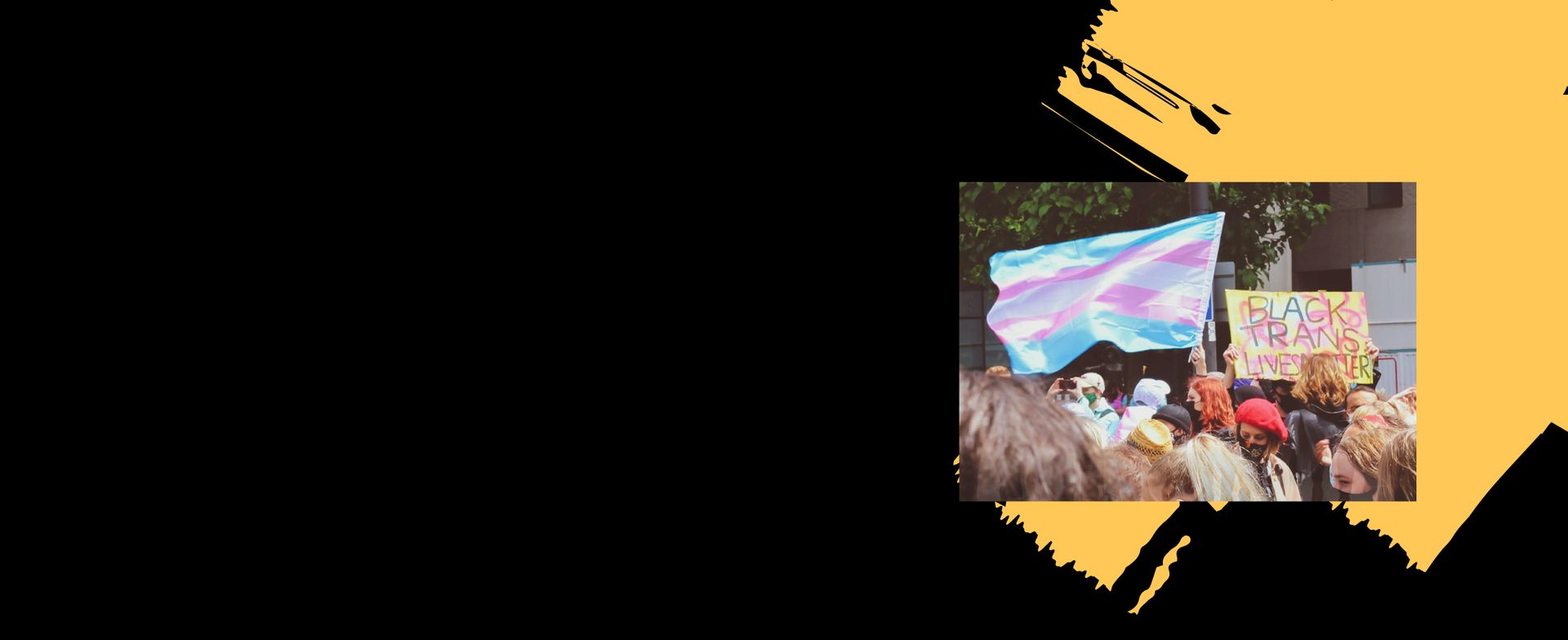
This Black History Month, we are honouring the historical and contemporary fight for Black queer liberation. This includes sharing the stories of Black-led LGBTQI+ organizations that are on the frontlines of freedom. Today, we are featuring TransWave Jamaica, an organization working to advance the health, welfare, and well-being of the transgender community in Jamaica and the Caribbean.For TransWave Jamaica (TWJ), the fight for trans and gender-nonconforming rights is inextricably connected to the global struggle for Black liberation. In Jamaica, where the impacts of colonization are still felt, trans communities face intersecting forms of marginalization that demand collective, community-led responses.“Our work at TWJ is deeply rooted in the global struggle for Black liberation,” says Yakeem Reid, Media and Communications Specialist at TransWave Jamaica. “The realities faced by trans and gender-nonconforming Jamaicans are inseparable from those lives impacted by the residuals of slavery, racism, and anti-Black violence.”Black liberation movements across the Caribbean and the wider African diaspora have long emphasized dignity, safety, self-determination, and collective care. These values guide TransWave’s approach to advocacy and service delivery, grounding their work in local leadership and lived experience rather than externally imposed models of change.Reimaging Systems: Decolonial Perspectives on LiberationColonization in Jamaica left behind rigid gender norms, punitive laws, and moral frameworks that continue to criminalize and stigmatize LGBTQI+ people. TransWave confronts this legacy head-on by challenging colonial laws and attitudes while centering Afro-Caribbean and Indigenous ways of understanding gender, community, and care.“Our advocacy prioritizes local leadership, lived experience, and culturally grounded approaches,” Reid explains, “resisting the idea that liberation must look like models imported from the Global North.”This decolonial perspective also shapes how TransWave engages with humanitarian systems that were never designed with Black, queer, and trans people in mind. Rather than positioning communities as passive recipients of aid, TransWave insists on dignity, consent, accountability, and long-term investment.“Reimagining humanitarian systems from a decolonial perspective means dismantling systems that treat Black, queer, and trans people as anything less than experts of their own lives,” says Reid. “It’s about shifting power to community-based organizations and valuing local knowledge.”Solidarity Beyond Symbolism In July 2025, TransWave Jamaica received support from Rainbow Railroad’s Crisis Response Fund for a six-month project that provided direct assistance and support to 60 trans and gender-nonconforming individuals facing urgent risks.This partnership helped support access to housing, care packages to meet basic needs, and psychological empowerment workshops. Across borders, solidarity means more than symbolic gestures. “True solidarity moves beyond performative allyship to sustained, accountable partnerships,” Reid says. “It looks like global allies listening to Jamaican trans voices, supporting locally led work, and challenging harmful narratives about the Caribbean as inherently violent or backward.”TransWave’s work is informed by a long lineage of Black queer and trans resistance. Reid points to figures such as Audre Lorde, whose writing on difference and survival resonates deeply within the Caribbean context, as well as Sylvia Rivera and Marsha P. Johnson, whose grassroots organizing reminds us that trans liberation has always been led by individuals who experience multiple levels of marginalization. Caribbean activists, many of whom organized without recognition or protection, also continue to shape TransWave’s understanding of courage, care, and resistance.Centring Joy and Celebration for Trans Jamaicans For many queer and trans Jamaicans today, the global fight for asylum, safety, and dignity echoes historic Black liberation movements rooted in survival. “Seeking asylum is not about opportunity but about survival,” Reid notes. “The same systems that once justified enslavement and colonial control now determine whose lives are worthy of protection.”Despite immense challenges, TransWave finds hope in the present. Youth-led organizing, mutual aid networks, trans creatives, and regional collaborations are expanding conversations around bodily autonomy, economic justice, and political participation. Care and joy, which are often overlooked in crisis-driven responses, remain central to this resistance.“In a society that often denies trans people safety and celebration, moments of laughter, affirmation, and collective care are radical,” Reid says. “Joy allows our community to breathe, to imagine beyond crisis, and to reclaim wholeness.”Sustained by the resilience and pride of trans Jamaicans who continue to show up for one another, TransWave Jamaica embodies a truth long held by Black liberation movements worldwide: resistance is ongoing, community is essential, and freedom is collective.
-1920x784.jpg)
As part of Rainbow Railroad’s efforts to better respond to LGBTQI+ refugees’ resettlement needs, we launched a Queer Refugee Internship Program for refugees who have an interest in contributing their lived expertise to the global forced displacement response. Our program provides a unique opportunity for refugees to gain vital work experience, learn new skills, and connect with professionals while elevating the voices of queer refugees. We’re highlighting the stories of individuals who were part of the Queer Refugee Internship Program’s most recent cohort. In this post, a recent QRI shares his experience on both the Communications and Engagement teams. I’m a proud queer Afro-Caribbean man. These intersectional identities don’t automatically guarantee open acceptance in many societies; unfortunately, this can lead to one ‘performing’ heteronormativity or shrinking oneself to access certain opportunities, particularly employment, especially when an individual expresses themselves androgynously.With a passion for queer rights, I leapt at the opportunity to work for an organization whose values so seamlessly aligned with mine. During the spring and summer of 2025, I interned with the Communications team at Rainbow Railroad. It was a wonderful opportunity to apply my years of experience in digital marketing.I was enthused to be tasked with online community management for the organization while applying data analytics to support communications strategy and staying abreast of relevant global news for media reports.During Pride, I supported the management of the organization’s social media channels and tracked online fundraising. I personally designed the placards used during the All Out Rally for 2SLGBTQ+ rights. It was a proud and pivotal point in my career, one in which I made the choice to publicly align myself with an organization that champions queer rights unapologetically. I also had the opportunity to engage with donors, influencers, volunteers, staff, and community members during the annual Rainbow Railroad Freedom Party.I attribute my success on the Communications team to my colleagues who welcomed me with open arms and supported any ideas, suggestions, or proposals I brought to meetings.For the first time, I produced my own fundraiser for Rainbow Railroad within my online community. I was generously encouraged by a colleague on the Development team to undertake this venture in a way that felt most authentic to me. I was able to use storytelling to highlight the important work that Rainbow Railroad does and humanize those who benefit from our services and support, and I’m grateful to have been successful in that effort.In the fall, the Engagement team extended an offer for me to join them as the Mobilization Intern & Communications Liaison. I didn’t hesitate to return and expand my skills within an organization whose work continues to fulfill me.This role allowed me to learn more about post-resettlement programming including Community Support Teams, the Community Access Fund, the Housing and Livelihood Assistance Fund, the Queer Refugee Internship (of which I was a part), and the Queer Refugee Ambassador program across Canada and the U.S.With the guidance of my team I took part in outreach to help form Toronto’s first Community Support Team: a group of volunteers who commit to providing community integration support to an LGBTQI+ asylum seeker. It was truly enriching to see community members so willing to give back and be of service to newcomers.I also identified various organizations whose missions closely aligned with Rainbow Railroad and conducted outreach to propose partnerships in developing Community Support Teams in Toronto. I was successful in securing potential partners and paving the way for these relationships moving into 2026.This initiative was further strengthened by attending the Voices for Change Conference 2025, hosted by Hope for Refugees International (HRI). It was an excellent opportunity to network and connect with fellow attendees and organizations.I’m very proud to have been part of a team that began the groundwork and laid the foundation for what will become many Community Support Teams across the GTA.My work experience at Rainbow Railroad is a testament to what happens when hard work and dedication meet opportunity. Working for Rainbow Railroad fostered a deep sense of belonging, particularly for my queer identity. These internships allowed me to contribute to an organization whose values truly align with mine.
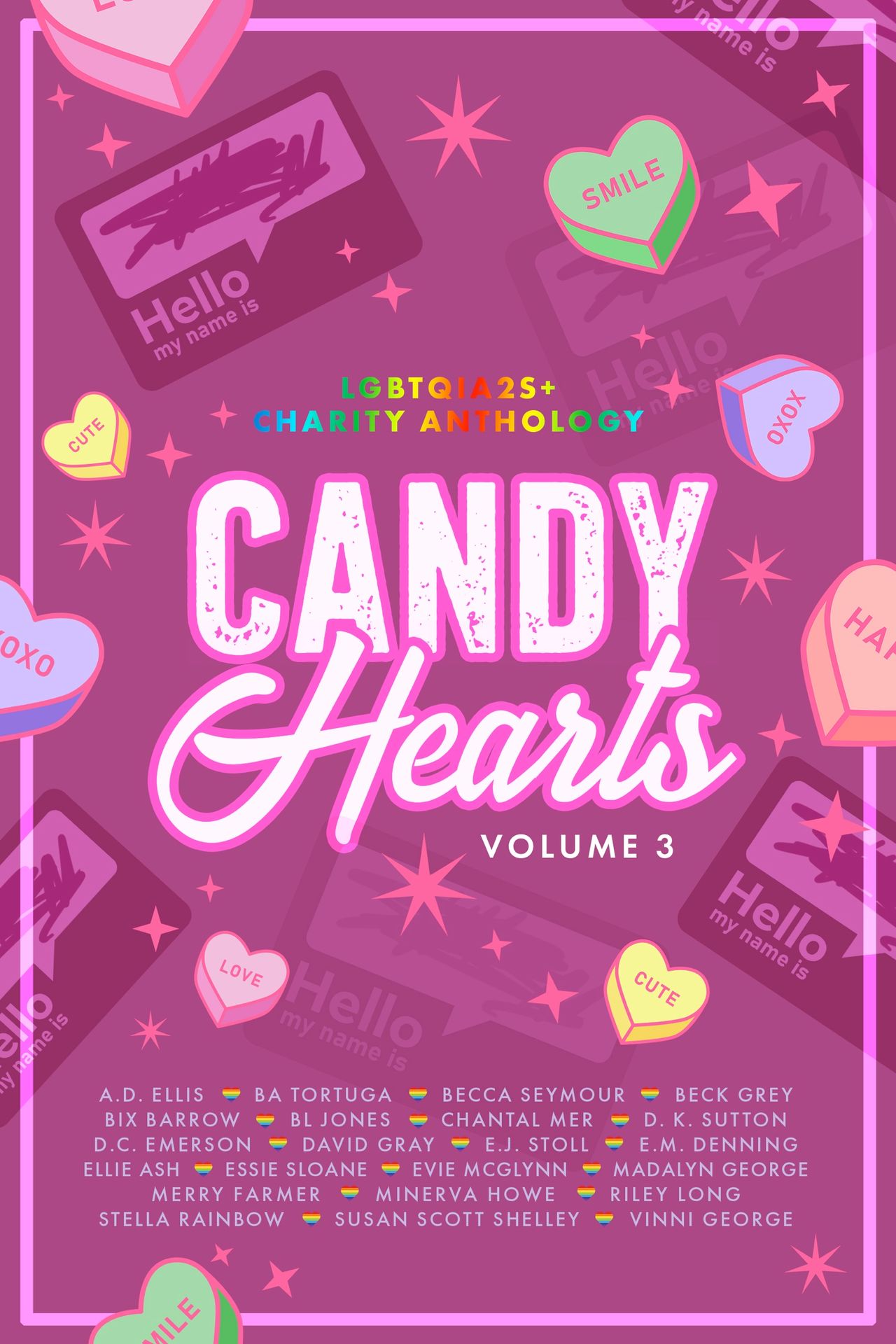
Lee Blair, a romance author and anthology organizer based in Portland, Oregon, never expected a love of queer romance to inspire a movement in support of LGBTQI+ people around the world. But through Candy Hearts, a charity romance anthology she founded, Lee has helped turn stories of queer joy into tangible support for LGBTQI+ refugees, raising awareness and more than $11,000 in funds for Rainbow Railroad in the process.Lee first learned about Rainbow Railroad in 2024, when fellow Candy Hearts author Beck Grey suggested the organization as the beneficiary for the anthology’s second volume. “I wasn’t familiar with Rainbow Railroad prior to that,” Lee says, “but I’m so glad they made the suggestion so I now know about the amazing work you do.” What began as a recommendation quickly became a values-aligned partnership. In 2025, Candy Hearts: Volume 2, which features original stories from 24 queer romance authors, donated all proceeds to Rainbow Railroad.Transforming Global Reach into a Movement for International Solidarity Choosing Rainbow Railroad was intentional. While Candy Hearts has a largely North American readership, its contributing authors span the globe. Lee wanted the anthology’s impact to reflect that reach. “Rainbow Railroad’s mission and values was such a natural fit for the impact we wanted to make,” she explains.What keeps Lee coming back is the tangible difference Rainbow Railroad makes. She has continued the partnership with Candy Hearts: Volume 3, now available, with all proceeds supporting Rainbow Railroad through March 31, 2026. “As much as I wish organizations like this weren’t necessary,” Lee says, “I’m so glad Rainbow Railroad is here to make a difference and help people find the safety and security they deserve.Harnessing the Power of Queer JoySeeing the impact of her fundraising is deeply emotional for Lee. Romance, particularly low-angst romance that is lighthearted in tone, is often dismissed as unserious, she notes. Yet these stories, centered on queer love and acceptance, have helped make a real difference for LGBTQI+ refugees. “Watching our low-angst stories make a direct impact on supporting LGBTQI+ refugees is incredible,” she says. “It truly makes me emotional.”That impact is personal, too. After coming to terms with her own queerness later in life, Lee sees Candy Hearts as a way to give back. “To be able to use stories of romance and queer joy to support community members in trouble means the world to me.”Lee believes individuals and communities have a critical role to play through donations, advocacy, sharing platforms, and supporting organizations. Her message to LGBTQI+ people seeking safety is simple and powerful: “You are strong. You are worth safety. You are valuable and important.”And for those considering supporting Rainbow Railroad for the first time, Lee doesn’t hesitate: “Do it. Supporting Rainbow Railroad means they can use our collective resources in powerful ways we could never achieve alone.”
-1920x784.jpg)
This Black History Month, we are honouring the historical and contemporary fight for Black queer liberation. This includes sharing the stories of Black-led LGBTQI+ organizations that are on the frontlines of freedom. Today, we are featuring Rise Initiative for Women’s Right Advocacy (RiWA) South Sudan, an organization promoting and protecting the health, economic, political and social rights of women and other marginalized groups in South Sudan.The legacy of colonization continues to shape life in South Sudan, where imposed borders and decades of political instability have deepened inequality and normalized violence for those pushed to the margins of society. Since 2024, Rainbow Railroad has received more than 250 requests for help from individuals in South Sudan. Individuals who self-reported with the status of “asylum seeker” accounted for 34.60% of requests for help, followed by registered refugees at 31.18%, and “no legal status” with 25.10%.Of the individuals who reported on their health and welfare concerns, 100% had concerns about their lack of basic needs. Of the individuals who reported on their safety concerns, 100% had concerns about community rejection.Inherited Systems of Violence and ExclusionIn South Sudan, LGBTQI+ rights are severely restricted. Currently, same-sex intimacy is criminalized, with punishments of up to fourteen years in prison. The gender expression of trans people is also criminalized. The law criminalizing same-sex intimacy has remained in place since the British colonial period, when British law was enforced in Sudan. South Sudan retained this policy after gaining independence from Sudan in 2011. In this context, frontline organizations working in South Sudan are doing more than delivering services; they are actively resisting the long shadows of colonial harm by centering community-led care and advocacy. RiWA South Sudan is one of these organizations, striving to increase access to critical health services, social supports, and economic empowerment initiatives for those experiencing multiple levels of marginalization.Community-Led Care on the FrontlinesAsan Juma, human rights defender, activist and Executive Director of RiWA, shares the following: “RiWA confronts the legacy of colonization by promoting community-led advocacy that prioritizes local knowledge, lived experiences, and culturally relevant solutions rather than externally imposed approaches.” In September 2025, RiWA received funding through Rainbow Railroad’s Grassroots Mobilization Fund, a partnership model that invests in the long-term capacity of grassroots LGBTQI+ movements to create change.Through the funding they received from Rainbow Railroad, RiWA will continue to provide critical frontline support to local LGBTQI+ community members, including psychosocial and mental health services, emergency relief items, and rights awareness and legal empowerment workshops. This project will support 170 individuals in South Sudan. Reimagining Support Through a Decolonial LensFor the organization, when providing support to Black queer and trans communities, it is vital to reimagine systems of support through a decolonial perspective. Juma describes what this means in practice:“It requires shifting power to affected communities by ensuring they are involved in decision-making, program design, and service delivery, allowing them to shape solutions that directly respond to their needs. It means creating safe, inclusive, and confidential protection pathways that recognize the increased risks faced by Black, queer, and trans refugees, including family rejection, violence in camps, and discrimination from service providers.”In addition to providing essential services, they also ensure that there is space for healing and joy, which are powerful acts of resistance.“Through sports, especially women’s football, we create opportunities for joy, teamwork, self-expression, and confidence building. Sports allow community members to reclaim their bodies, celebrate their identities, and challenge harmful gender norms,” she explains. “RiWA organizes community dialogues, storytelling sessions, and creative expression activities such as art, music, and cultural engagement, which allow individuals to celebrate their identities while preserving cultural pride.”Carrying Forward a Legacy of ResistanceThe work can be challenging, but Juma is sustained personally by deep investment in the work, as she shares: “Seeing small but meaningful changes, whether in someone’s confidence, safety, or access to justice, fuels my belief that progress is possible even in harsh environments.” She also finds inspiration in the work of queer African activists including Stella Nyanzi, Frank Mugisha, and Richard Lusimbo. Although Black History Month is often focused on the past, resistance is ongoing. Juma also sees the connection and ongoing legacy of historic Black liberation movements: “Past movements highlighted the importance of intersectionality, recognizing that people experience oppression differently based on race, gender, class, and sexuality,” Juma shares. “This framework helps shape current advocacy efforts to ensure LGBTQI+ refugees are protected from multiple and layered forms of discrimination.” By supporting LGBTQI+ people to survive, organize, and lead, the work of RiWA South Sudan challenges inherited systems of exclusion and helps build pathways toward dignity, self-determination, and lasting justice.
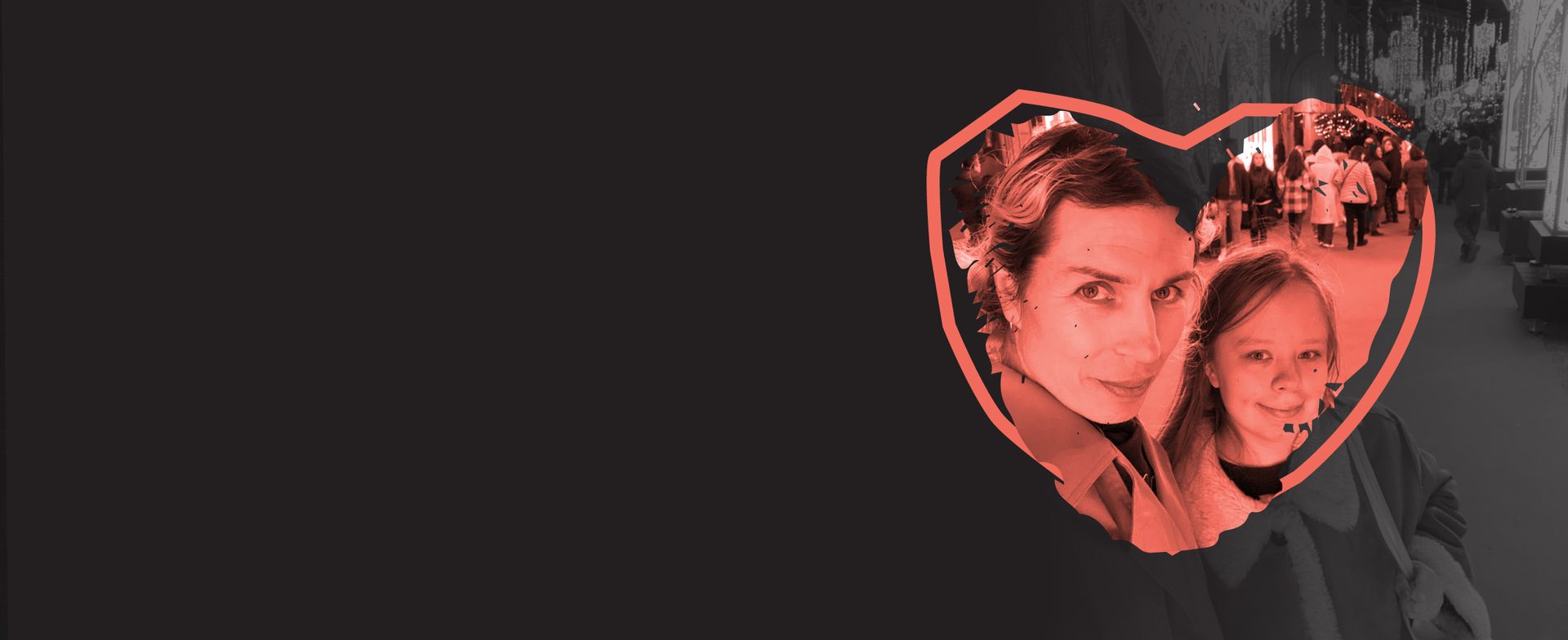
Like many couples today, Stefania and Angela first connected online, feeling an immediate connection through their virtual communications. “I drew her portrait, began supporting her emotionally, and she supported me in return,” Stefania shares. “Very quickly, a spark passed between us, and we realized that we loved each other.”In Russia, where Stefania and Angela both lived prior to resettling, LGBTQI+ people face discrimination without legal protections. In recent years, the climate has worsened.Criminalized for Who They Are: LGBTQI+ Life in Russia Today“We were forced to leave our country," says Stefania, referring to the 2023 Russian Supreme Court decision that labeled the LGBTQ+ community as "extremist" and "terrorist." The court ruling banned the couple from "living openly and safely" and legitimized "bullying, discrimination, and violence against us,” Stefania says.Under these circumstances, Stefania and Angela also experienced financial hardship, and struggled to meet their basic needs. “All of this was compounded by constant discrimination and the threat of violence,” she explains.After reaching out to Rainbow Railroad, Stefania and Angela made plans to relocate to Spain. The decision to leave was not taken lightly, and their travels were fraught with anxiety. “We were also afraid that passport controls might stop us, or that we might say something wrong,” Stefania shares. However, their travels passed without incident, and Stefania and Angela began to rebuild their lives in a new country.Starting Over in Spain: Freedom to Love OpenlyFor both women, Spain was a chance to experience their relationship in a way that they had never imagined. Stefania describes the feeling of freedom that the couple shares now:“After the move, the constant tension left our bodies. We hold hands in public, kiss openly, and live freely in our rights. We became calmer, freer, and genuinely happier.”They have taken advantage of everything that a new country has to offer, and celebrate many aspects of their new home. “We rejoiced in the tasty food, the landscapes, and the feeling that almost everything around us was filled with warmth and care. We finally breathed in freedom,” Stefania says. They have built a new, chosen family with their neighbours, and have decorated their home together: “We were given cozy blankets, and on the shelf I placed a candle and several Funko Pop figurines.” A Pride flag hangs in their apartment: a symbol of the visibility that they can now celebrate. Together, they now enjoy simple pleasures, the moments in a romantic relationship that many people take for granted: “What brings us joy is cooking together, going for walks, watching movies, and simply hugging each other.”The Internet as a Pathway to Love and SafetyStefania and Angela are excited to celebrate Valentine’s Day, for the first time since they started dating, in a country where they experience safety and security. Stefania describes their hopes for the day, sharing, “I think we might have a picnic on the pier and watch the sea together.” LGBTQI+ people in Russia now face additional barriers in seeking assistance. In October of 2025, Russia blocked access to Rainbow Railroad’s website, cutting off a vital resource for LGBTQI+ people at risk. The internet—the same way that Angela and Stefania met each other and sparked a deep connection—was also a critical tool on their pathway to safety. Still, Stefania and Angela urge other LGBTQI+ people at risk to have hope in the potential of a safer future: “Do not give up, and believe in something better,” Stefania says. Since the moment they met, their relationship has been a way forward, representing hope, resilience, and the future that they can now build together.