Issues

Important Issues in our Work

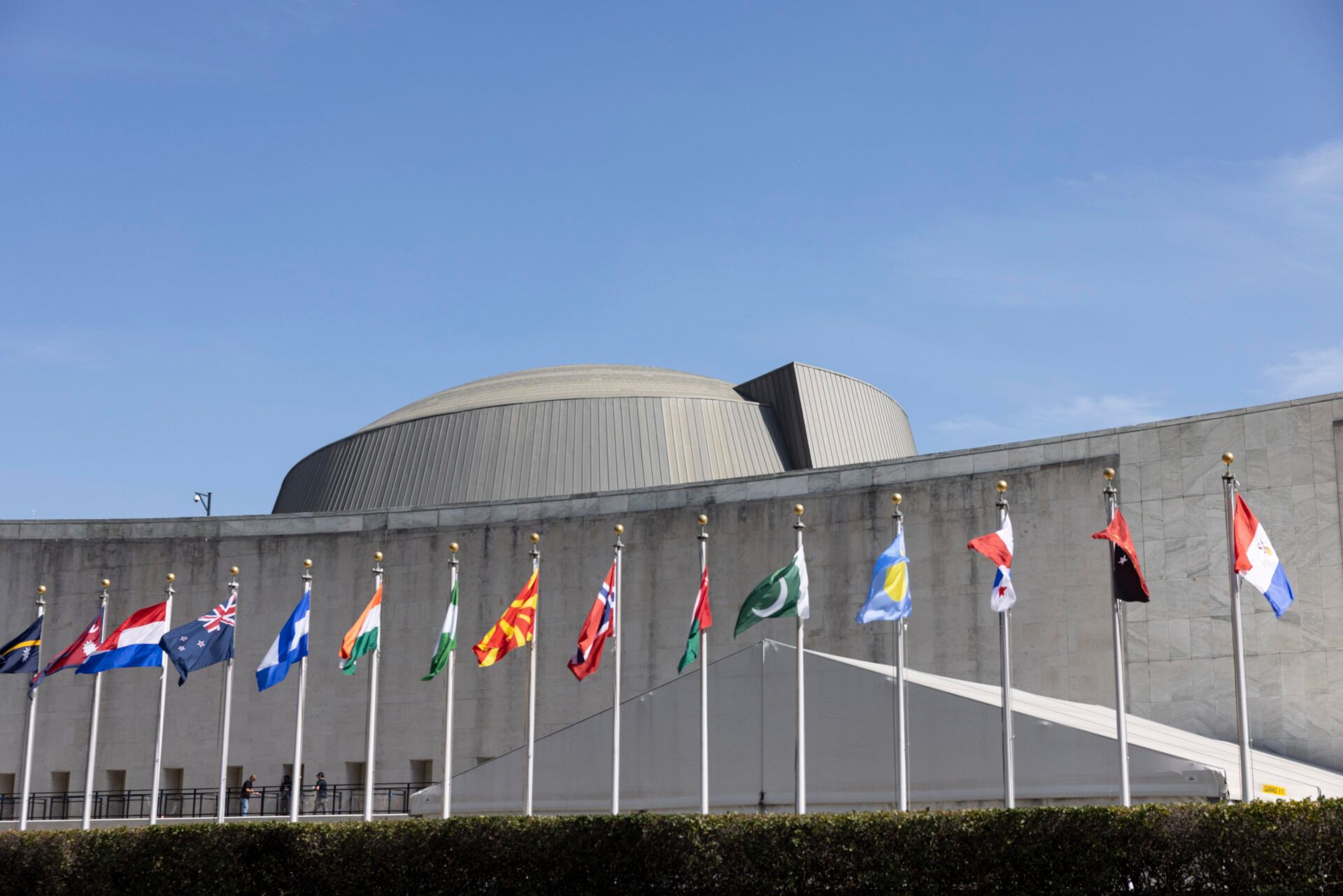
International flags line the front of a large UN building under a blue sky.
Issues
Publications

Exploring Multilateralism for International Peace and Security and LGBTQI+ Crisis Response

 Recently, Rainbow Railroad convened and moderated a timely dialogue on “International Peace and Security and LGBTQI+ Crisis Response” in a side event for the United Nations Summit of the Future. Read a complete report back on this panel here.We gathered with the co-sponsorship of Outright International, the Equal Rights Coalition, and the Governments of Malta, Colombia, and Canada, and through close collaboration with UNHCR’s Division of International Protection and its New York Office, as well as the UN Independent Expert on Sexual Orientation and Gender Identity.Dr. Nishin Nathwani, Head of Strategy at Rainbow Railroad, moderated the discussion which featured expert interventions from:Ambassador Bob Rae, Permanent Representative of Canada to the UN, and President of the UN Economic and Social Council (ECOSOC)Graeme Reid, UN Independent Expert on Sexual Orientation and Gender Identity Ambassador Vanessa Frazier, Permanent Representative of Malta to the United NationsAmbassador Juan José Quintana, Permanent Representative of Colombia to the United Nations  Richard Wilson, Executive Director of Lighthouse Equality Advocacy ProjectAndré Du Plessis, United Nations Program Director at Outright InternationalMr. Sivanka Dhanapala, Director of UNHCR Office in New YorkPrioritizing Multilateral Partnership and Queer PerspectivesThe discussion explored how multilateral partnership can contribute to international peace and security. Participants examined successful partnerships with states, international organizations, and civil society, and identified areas where countries can champion the fight against LGBTQI+ persecution. Speakers shared how queer perspectives can be integrated into the Pact of the Future and in the Declaration on Future Generations, and where increased multilateralism can enhance international peace and security for at-risk LGBTQI+ people.   Richard Wilson, an activist supported by Rainbow Railroad in resettling, spoke about their own lived experience on the panel, as well as their advocacy for LGBTQI+ asylum seekers. Reflecting on the conversation, they shared the following:“Having the opportunity to share my story and listen to the proposed policies aimed at supporting displaced individuals, especially those in the LGBTQI+ community, gave me hope. I felt that the voices of people like me were not just being heard but also integrated into solutions that could make a tangible difference. Seeing global leaders take our concerns seriously and commit to taking action was incredibly powerful.”This was Rainbow Railroad’s first event of this kind, after having recently been granted special consultative status by the UN Economic and Social Council (ECOSOC). Securing ECOSOC status is a challenging process, as applicants must be approved by a committee that includes members from countries like Russia, Pakistan, and China, nations that often subject LGBTQI+ groups to additional scrutiny. Consultative status significantly increases Rainbow Railroad’s access to the UN, including through bodies such as the Human Rights Council, where we are better positioned to advocate for LGBTQI+ forced displacement and elevate the work of partner LGBTQI+ civil society organizations and activists doing this work on the ground globally. Bringing grassroots partners and refugees into high level meetings, provides a platform for those who lack the resources to attain this status themselves. Forming the backdrop of this conversation is the global anti-gender movement, which has mobilized a coalition of populist groups and funders to target a wide range of programming including sexuality education, discussion on sexual and reproductive rights, and LGBTQI+ rights. Rainbow Railroad has received more than 50,000 requests for help since our founding, and we understand the need for a global coordinated response.The rising tide of legislative and social changes that newly target LGBTQI+ communities not only jeopardize the safety of individuals and communities and their access to rights but also have broader implications for global peace and security. Experts acknowledged we need to collectively re-envision the landscape of how the international community adapts and responds to threats to human rights, underscoring how international mechanisms have been successfully utilized and could be further leveraged to enhance support to at-risk LGBTQI+ communities in crisis-affected contexts.  Advancing LGBTQI+ Rights in International SpacesActivist Richard Wilson described the importance of conversations like this:“This event opened my eyes to the global nature of the LGBTQI+ crisis response. It showed me that while the struggles of LGBTQI+ immigrants and asylum seekers are unique, they are not isolated. The panel gave me a deeper understanding of the complex intersection between displacement, identity, and security. It also highlighted the importance of international cooperation in addressing these crises and reassured me that there are ongoing efforts to improve the systems in place to protect and support people like me.”Collective action and partnerships in multilateral spaces give us hope as we continue to advocate for the voices of LGBTQI+ refugees and asylum seekers at the international level. Opportunities for these conversations are critical in our pursuit of creative solutions for international crisis response.   Read a complete report back on“International Peace and Security and LGBTQI+ Crisis Response” here.  All photos in this blog post are credited to Andrew Kelly. 

4 min read
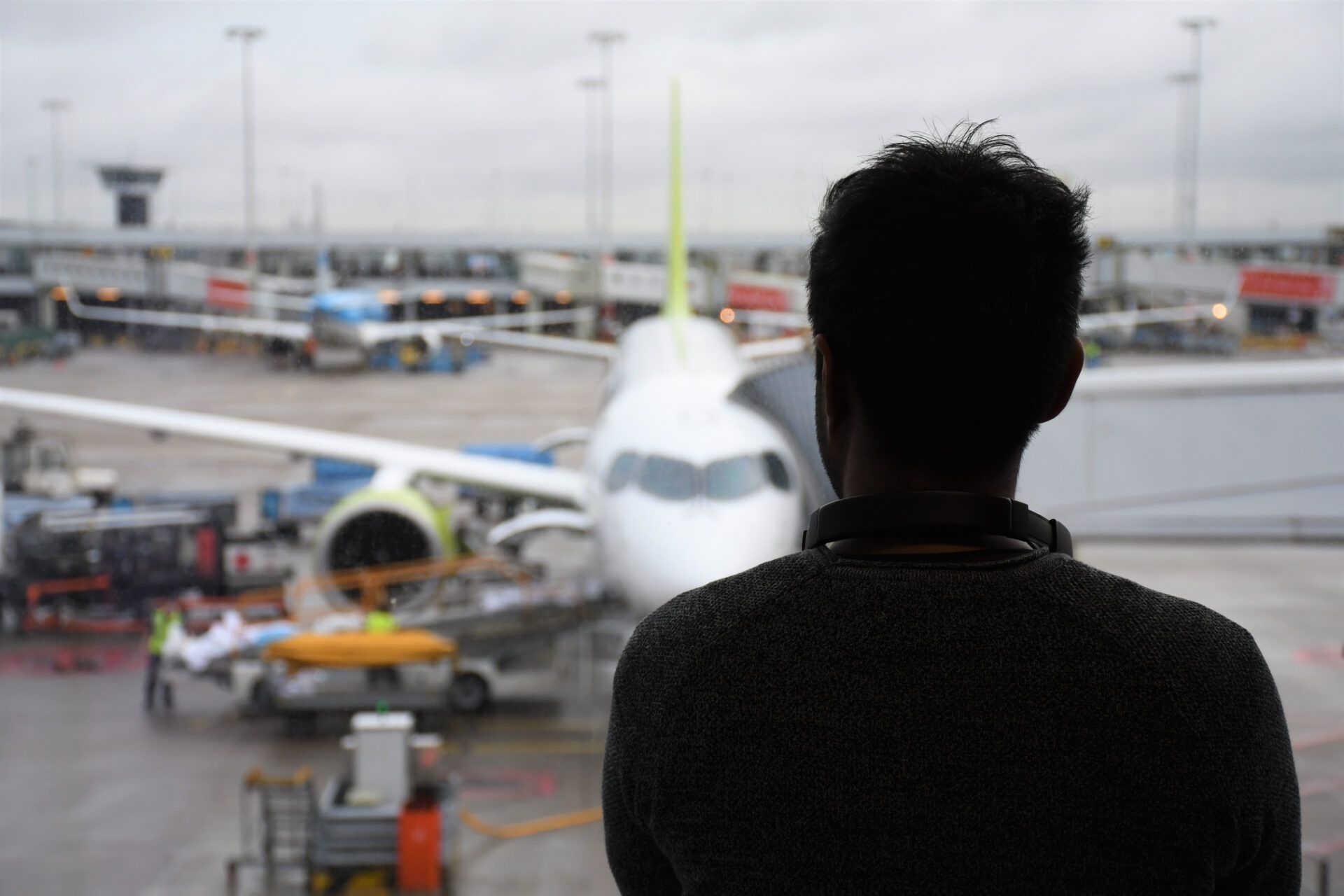
Person viewing an airplane through an airport window.
Issues

Understanding the Post-Relocation Experience: Voices from the LGBTQI+ Community

At Rainbow Railroad, we strive to help at-risk LGBTQI+ individuals get to safety, but the journey for refugees doesn’t end when they arrive in a safer country. In 2023, across all of our relocation programs, we relocated 447 people, including through government resettlement, private sponsorship and ETS. Having multiple pathways at our disposal means that we can reach more people in their specific circumstances. However, the journey of LGBTQI+ people toward queer liberation doesn’t end when they arrive in a new country.A Continuing Journey: Beyond Initial RelocationWe spoke with individuals who we relocated through ETS to better understand their experiences after relocation. They told us that their path to safety and acceptance was paved with deep challenges. Relocating 434 individuals from 34 countries through ETS in 2023 was an important achievement, and we need to understand the complexity of people’s individual experiences. Despite the initial relief of escaping danger, many face significant hurdles such as cultural adaptation, employment, housing, language barriers, social exclusion, and the search for a supportive community. Even in safer environments, some report encountering discrimination and racism within the very communities they hoped would welcome them.Although the narratives shared are diverse, from grappling with the prolonged asylum processes in Canada to confronting racism in Germany, a recurring theme emerges: while welcomed for their queer identities, LGBTQI+ people who are relocated often experience discrimination or harm due to their racial or national identity. Even in states with legal protections for the LGBTQI+ community, safety for LGBTQI+ persons is a relative experience impacted by the intersections of an individual’s identity.Emotional Journeys: The Long Road to BelongingThe emotional landscape of those who have relocated evolves over time. It takes time to find a true sense of home and belonging. The stories in our Annual Report underscore the need for more resources to support resettlement efforts and address the gaps in ensuring lasting safety and acceptance.Pasha’s journey exemplifies the emotional struggle after resettling. “My escape hasn’t ended while crossing borders. A safe place doesn’t become safe when the mind is a hostage. I do need help in rebuilding my life and finding new dreams but also, I need a strong community that will help me heal and accomplish justice for those who seek it,” Pasha shares.Positive Outcomes and the Ongoing Need for SupportWhile we take pride in our relocation efforts, the work is far from over. It is the collective responsibility of governments, civil society, and host communities to ensure the safe relocation and integration of LGBTQI+ people. By acknowledging and addressing the diverse and evolving needs of those we relocate, we can better dismantle the systemic barriers that prevent queer, trans, and intersex persons from living full lives.Encouragingly, 91% of people relocated by Rainbow Railroad reported enhanced personal safety in their destination countries, and 76% noted an improved quality of life. These statistics remind us of the importance of our mission and the positive impact we can achieve together.Read our full Annual Report to learn more about the stories, challenges, and triumphs of those we support.

3 min read
Large group photo of attendees at an LGBTIQ+ regional integration meeting with multiple country flags.
Issues
News and Press

Rainbow Railroad Joins Forces with Latin American Partners in Mexico City to Launch Network for LGBTQI+ Refugees

In a powerful show of solidarity and support, Rainbow Railroad took part in the official launch of the Latin American Network on Forced Displacement in Mexico City from May 15 to 17. This pivotal event brought together queer organizations from across Latin America, united in their mission to address the urgent challenges faced by LGBTQI+ individuals forced to flee their homes through various migration routes in Latin America.The network's creation stems from a dire need to provide targeted support and advocacy for LGBTQI+ people on the move. With many countries in the region posing significant risks to queer individuals, the network fills a crucial gap. It's a unique, collective effort focused on addressing LGBTQI+ human mobility.Held at the Ministry of Foreign Affairs, the launch saw participation from several embassies, including the American and Canadian Embassies, along with Mexican officials and the United Nations Refugee Agency. The event's timing, coinciding with the International Day Against Homophobia, Biphobia, and Transphobia on May 17, underscored the global commitment to combating LGBTQI+ discrimination.Rainbow Railroad's role was significant. As a sub-granting organization of the ACTIF (Act Together for Inclusion Fund), the project that helped establish the network, we were not only witnesses but active participants, signing the declaration as allies of the network. This involvement highlights our dedication to supporting international initiatives that protect LGBTQI+ rights.The network comprises a remarkable coalition of organizations working tirelessly to support LGBTQI+ individuals across Latin America. These include Casa Frida from Mexico, Derechos Humanos y Diversidad AC from Argentina, Corporación Red Somos from Colombia, Asociación Lambda from Guatemala, and many others from countries including Venezuela, El Salvador, Costa Rica, Peru, Nicaragua, Ecuador, and Honduras.Danilo Manzano, the Executive Director of Diálogo Diverso and the current secretariat of the network, shares valuable insights on the network’s inception and its vital role: “The network was established to fill a critical gap, ensuring coordinated support for LGBTQI+ individuals in forced displacement. Its unique focus and collective governance make it stand out.” Danilo also highlights the importance of strengthening the network's capacity and international advocacy efforts.Looking forward, the network aims to secure funding for people living with HIV within its portfolio and enhance its internal structures for better international advocacy. Rainbow Railroad remains committed to collaborating with the network, identifying global opportunities for advocacy, and addressing the broader issues of forced displacement.Our participation in the Latin American Network on Forced Displacement launch is a testament to our ongoing commitment to global LGBTQI+ rights. By supporting initiatives like this, we continue to advocate for the safety and dignity of LGBTQI+ individuals worldwide, ensuring that those forced to flee their homes receive the support and protection they need.

3 min read
Crowd in winter clothing holds signs, including one reading “Refugees Are Welcome Here.”
Issues

Rainbow Railroad Condemns Biden Administration's Border Asylum Ban

Rainbow Railroad is deeply concerned and condemns the Biden Administration’s executive order that imposes severe restrictions on the right to seek asylum, putting those seeking refuge in harm's way.This unlawful ban violates U.S. and international refugee laws, endangers LGBTQI+ people at risk seeking safety at the border, and breaches the Presidential Memorandum on Advancing the Human Rights of LGBTQI+ Persons Around the World.The latest regulations will bar numerous individuals requiring international safeguards from seeking asylum. This will leave them in danger without a viable means of finding refuge and vulnerable to being sent back to life-threatening circumstances.Those asserting a genuine fear of persecution in their country of origin must be granted access to secure havens and have their cases thoroughly and fairly evaluated before any consideration of deportation or expulsion.At a time when there are more forcibly displaced people in the world than at any other time in recorded history, we need concrete solutions that uphold human rights, tackle underlying drivers of forced migration, and establish secure pathways to safety.In over 60 countries around the world, queer and trans people face persecution, simply because of who they are or who they love. Rainbow Railroad calls for Solidarity in Pride and a collective commitment to queer liberation.Seeking asylum is a human right. Queer and trans individuals seeking refuge in the U.S. are fleeing persecution in countries that criminalize their LGBTQI+ identity. This executive order breaks the Biden Administration’s promise to protect vulnerable LGBTQI+ refugees and asylum seekers.Rainbow Railroad calls on the United States to uphold its international obligations and urges the government to reconsider restrictions that undermine the fundamental right to seek asylum.

2 min read
Map of Uganda.
Issues

Ugandan Constitutional Court Upholds Draconian Anti-LGBTQI+ Law

Today, Uganda’s top court rejected the request to nullify the draconian Anti-Homosexuality Act of 2023 (AHA23). Initially signed into law last May by President Museveni, AHA23 is one of the most extreme pieces of anti-LGBTQI+ legislation in the world, and includes the death penalty and life imprisonment.The Constitutional Court only invalidated provisions related to the failure to report homosexual activities, permitted use of premises for engaging in homosexuality, and transmitting a "terminal illness" through same-sex intercourse, finding that these sections violate the right to health, privacy and freedom of religion. The majority of the AHA23 was unanimously upheld by the court. Rainbow Railroad is deeply concerned and stands with the Ugandan LGBTQI+ community in demanding meaningful protection of human rights and unequivocally opposing this Act.Rise in Requests for Help Across the African ContinentSince the law’s passage, Rainbow Railroad has fielded a consistent increase in requests for help from queer and trans Ugandans.In 2023, we received over 1,390 requests for help from Uganda — more than any year in our organization’s history. An alarming 81% of these requests were received following the law's adoption.In 2024, Uganda continues to be one of the top countries where requests for help originate. Requests received last year and this year include reports of persecution such as loss of employment, torture, suicide, violent arrests and evictions of LGBTQI+ people.In January and February of 2024, we experienced a 49% increase in requests for assistance compared to the same period in 2023.Understanding the Regional RamificationsAHA23 is the latest in a disturbing surge of colonial-era anti-LGBTQI+ legislation in Africa, fueled by well-funded and organized evangelical groups. Similar legislation in other countries has led to severe consequences for LGBTQI+ individuals. In February, Ghana passed an anti-LGBTQI+ bill that further threatens and criminalizes queer and trans individuals.Currently, same-sex intimacy is illegal in 31 African countries and punishable by death in three, including Uganda. In 2023, we saw a 108% increase in requests for help from African individuals, compared to 2022. In the first two months of 2024, requests for help from African individuals increased by 47%, compared to the same period in 2023.Right now, Rainbow Railroad is working to get at-risk LGBTQI+ Ugandans to safety through emergency travel support, supporting local partner organizations, and providing vital services, including shelter, access to medical care, bail funding and legal aid services.LGBTQI+ advocate and Executive Director of local partner Sexual Minorities Uganda, Frank Mugisha, condemns the Constitutional Court’s decision:“We continue to call for this law to be repealed and we are calling on all governments, UN partners, and multilateral institutions such as the World Bank and the Global Fund to likewise intensify their demand that this law be struck down. This ruling should result in further restrictions to funding for Uganda — no donor should be funding anti-LGBTQ+ hate and human rights violations.”Rainbow Railroad calls on governments worldwide to develop immediate crisis responses inclusive of pathways to safety for members of the LGBTQI+ community and human rights defenders impacted by this legislation. We also call on our community to support our efforts by amplifying our messaging, and contacting their elected officials to speak out against this dehumanizing piece of legislation.We will continue to monitor the situation and provide updates as they become available.Recent Updates on our Work in UgandaWatch: Uganda: The Anti-Homosexuality ActRainbow Railroad’s Support of Mbarara Rise Foundation Report: Rainbow Railroad Update on the Situation in Uganda

3 min read
Protesters in red shirts outside a government building holding signs reading “Homophobia is not African” and “Reject the bill.”
Issues

Decades later, LGBTQI+ Ghanaians still face persecution based on old British colonial law

Last week, Ghana’s parliament passed one of the world’s harshest anti-LGBTQI+ bills, further threatening and endangering the queer and trans community in Ghana. Despite gaining independence from British rule on this day in 1957, more than six decades later, colonial anti-LGBTQI+ laws continue to reverberate in the country and across the continent.Consensual same-sex intimacy was already criminalized in Ghana, carrying a three-year prison sentence. Crucially, if President Nana Akufo-Addo signs the Human Sexual Rights and Ghanaian Family Values Bill into law, individuals who affirm their LGBTQI+ identity may be sentenced to three years in prison. The bill also criminalizes the promotion and support of LGBTQI+ activities, and requires citizens to "promote and protect proper human sexual rights and Ghanaian family values'' and report LGBTQI+ people to authorities for “necessary action.”Rainbow Railroad is gravely concerned about the deadly implications of this new bill. In addition to criminalization, legislation that targets the LGBTQI+ community can create a culture of impunity, resulting in violence and threats. This environment can drive queer and trans individuals into hiding, as we’ve seen in other countries where governments imposed draconian colonial-era anti-LGBTQI+ legislation.In a press release on Monday, March 4, Ghana’s Finance Ministry urged President Akufo-Addo not to approve the anti-LGBTQI+ bill and cautioned that doing so could result in significant financial consequences for Ghana, including a potential loss of USD$3.8 billion in World Bank financing over the next five to six years.Regional RamificationsThe bill is the latest in a disturbing surge of anti-LGBTQI+ legislation in Africa, fueled by well-funded and organized evangelical groups. Similar legislation in other countries has led to severe consequences for LGBTQI+ individuals. Currently, same-sex intimacy is illegal in 31 African countries and punishable by death in three, including Uganda, which signed the Anti-Homosexuality Act (AHA23) into law in May 2023.In the first two months of 2024, we’ve seen a 49% increase in requests for help from Uganda compared to the same period in 2023. Disturbing reports persist, detailing persecution, including loss of employment, torture, suicide, violent arrests, and evictions targeting LGBTQI+ individuals. Given the rise of anti-LGBTQI+ in the region, we expect this bill will further subject LGBTQI+ individuals in Ghana to similar threats and violence.It is clear governments of countries like Ghana now feel emboldened to adopt oppressive legislation with impunity, influenced by the AHA23. Late last year, Kenya attempted and failed to pass a similar bill that would have criminalized homosexuality with the death penalty and banned the promotion of LGBTQI+ activity.Building on Our Response Efforts in GhanaThis is not the first time we responded to the urgent needs of at-risk LGBTQI+ Ghanaians. When the Promotion of Proper Human Sexual Rights and Ghanaian Family Values Bill was first introduced in 2021, it created a hostile and exclusionary environment for queer Ghanaians and local LGBTQI+ organizations. Rainbow Railroad responded to a partner organization that experienced immediate restrictions and risk in their work with queer and trans Ghanaians. The organization was subsequently raided by local media, police and national security officers. Following this attack, we continued to amplify their advocacy campaigns and echoed their urgent and persistent calls for global public pressure on Ghana to strike down the bill.As the situation for LGBTQI+ Ghanaians continued to worsen, we relocated five human rights defenders to safety with the support of our donor community.Right now, we’re in conversation with partners on the ground to assess the situation and understand their needs. With limited pathways to safety due to severe passport mobility issues, the LGBTQI+ community in Ghana implores the global community to raise awareness about this discriminatory bill and pressure the Ghanaian government to refuse to sign it into law. Their specific requests include issuing statements condemning the passage of the bill and organizing public demonstrations at embassies and high commissions of Ghana abroad. In addition, they urgently call for humanitarian assistance, such as providing secure safe homes, food, and medical supplies to victims of abuse. The LGBTQI+ community also emphasizes the need to fund groups, activists and organizations, like Rainbow Railroad, supporting their cause. Furthermore, they encourage backing frontline advocates through initiatives that provide them with essential protection and security.Despite passport mobility issues, some individuals will attempt to flee and seek asylum. The queer and trans Ghanaian community is asking diplomatic missions and internal affairs and immigration institutions to work with activists in Ghana to support such individuals who will seek asylum or temporal residency in other countries.The time to act is now. We are in a critical moment that requires a united response, and your immediate actions today can make a difference:Contact your elected officials and ask them to urge President Nana Akufo-Addo to veto this discriminatory Bill. Encourage your friends, families and colleagues to join you.Amplify our messages on social media and in your community.Donate to help fund our advocacy and crisis response work.This "catch-all” bill is extremely dangerous, an affront to democracy, and a violation of LGBTQI+ people’s human rights. Rainbow Railroad stands in solidarity with the LGBTQI+ community in Ghana.We will continue to monitor the situation and provide updates as they become available. Thank you for taking steps today to ensure a future where the rights and dignity of LGBTQI+ Ghanaians are upheld.

5 min read