Profiles

Stories from our Work

Silhouetted couple against a blue-purple background with yellow circles.
Profiles

After hiding their relationship for a decade, Rama and Nic are now getting married

Kenya, ten years ago. Rama and Nic, two gay men, found themselves deeply in love. But in Kenya, it simply wasn’t safe for them to share their love openly with their families, communities, and broader society. They found themselves trapped in a web of oppression and secrecy. Rama and Nic’s story of perseverance is at the heart of Rainbow Railroad’s 2024 Pride campaign, “Solidarity in Pride.” Without the solidarity of our community of supporters, they would not have been able to access a future free from persecution. Growing up as gay men, Rama and Nic faced the harsh reality of living in a society where many people hold overtly homophobic and transphobic views. Everyday life was perilous, fraught with the threat and experience of violence. Rama was brought up in a strict religious environment that was rife with homophobia. Nic’s reality wasn’t any better; he endured homophobia too, but it wasn’t cloaked in religion. Because of these pressures, the couple chose to keep their love for each other and their relationship secret, even pretending to be “best friends” from high school.This closeting took an incredible toll on the couple. “Navigating the challenges of being a serodiscordant gay couple (a couple in which one partner is HIV-positive and one partner is HIV-negative) in a country where same-sex relationships are taboo and unprotected by law meant constant depression, mental health issues, and psychological torture,” Nic recalls today.Even Rama’s mom was a grave threat. “My mum threatened to kill if she'd ever come to find out one of her sons is gay. It was better to see her son dead than being gay,” she said.Things got worse before they got better. The couple was outed, which led to a torrent of awful threats as well as the loss of their university scholarships and their jobs. A direct effect of homophobic and transphobic discrimination in so many instances is this loss of livelihood that Nic and Rama experienced. Not being able to afford essentials like food, shelter, and clothing are the most reported health & welfare concerns among those seeking help from Rainbow Railroad. Put simply, homophobia creates economic destitution in countries where it’s illegal to be LGBTQI+. A New Horizon: Finding Freedom in GermanyIt was this untenable situation which led them to reach out to Rainbow Railroad. In December 2023, they made the courageous decision to leave behind everything they knew in search of safety and acceptance in Germany. Leaving Kenya was not without its challenges. The mix of emotions — relief, excitement, and sadness — underscored the gravity of their decision. But the promise of a better future in a more accepting environment propelled them forward. Their resettlement in Germany marked the beginning of a new chapter — one filled with both opportunities and obstacles.Life in Germany brought with it a newfound sense of freedom and acceptance. They found solace in a community that embraced them for who they are, allowing them to live authentically and openly. Access to resources and support networks improved their overall well-being. However, navigating the asylum process, adapting to a new culture, and finding stable employment posed their own set of challenges. Leaving one’s home country is never an ideal solution. That’s why Rainbow Railroad advocates for systemic change to dismantle laws that criminalize LGBTQI+ people.Despite hurdles, Rama and Nic remain steadfast in their pursuit of happiness. They are now planning to formalize their decades-long partnership through marriage, something that would have been a far-off dream just a few years ago. They are also considering starting a family and pursuing their careers in mathematics and nursing. All of this — marriage, family, careers — would have been robbed from them if they had not made the courageous choice to flee.  To LGBTQI+ individuals living in countries where acceptance is not yet realized, Rama and Nic offer a message of hope: “You are not alone. Your identity is valid, and you deserve to live authentically and freely. Reach out for support, stay strong, and never lose faith in yourself.”This year, Rainbow Railroad will receive more than 15,000 requests for help from LGBTQI+ people around the world experiencing persecution and violence simply because of who they are or who they love. Be a part of their journey from Persecution to Pride by making a donation and supporting our work.

4 min read
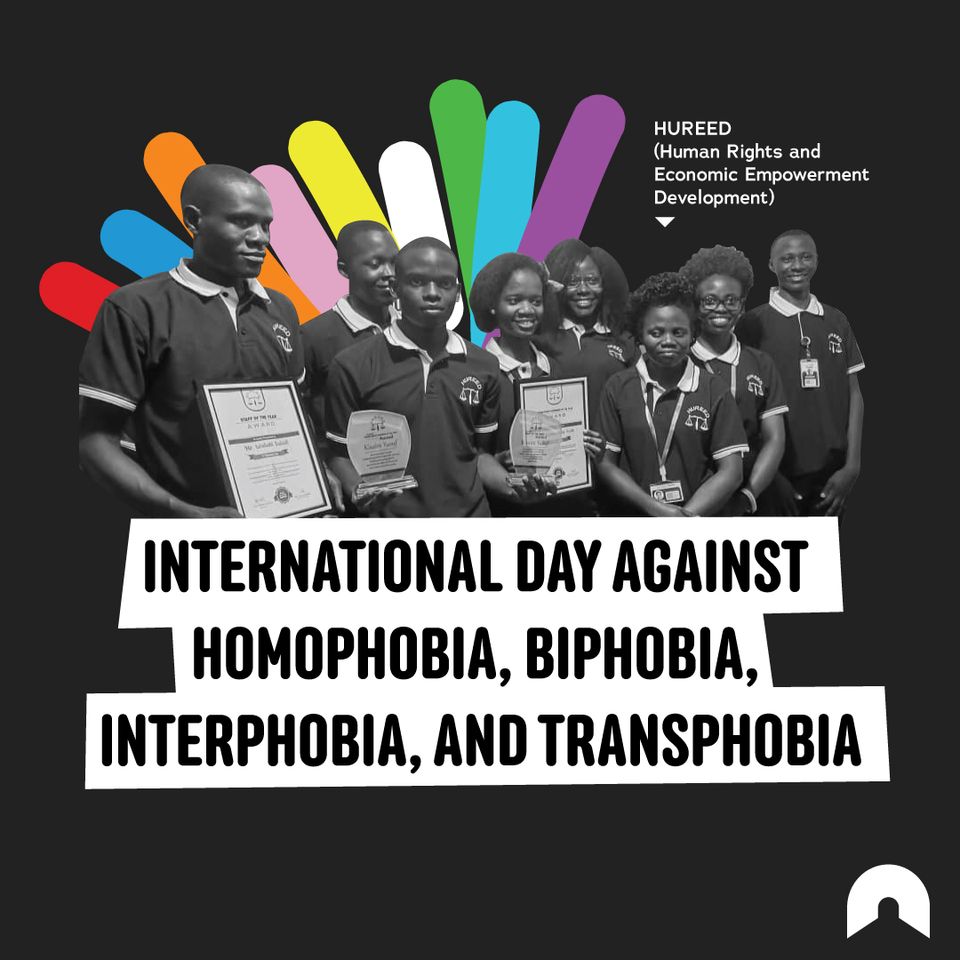
International Day Against Homophobia, Biphobia, Interphobia, and Transphobia graphic featuring a group holding certificates with colourful rays behind them.
Profiles

Navigating Threats and Advocating for Equality: Inside the Work of HUREED in Uganda

“The Anti-Homosexuality Act 2023 has led to increased violent acts towards LGBTQI+ persons in Uganda. In the past 12 months, we have received and registered escalating cases of violence towards LGBTIQ+ persons simply because of who they are. Most of them have been evicted from their rented houses by fearful landlords, some have been evicted by their own family members and their communities, and tragically some have lost their lives. We call upon the global LGBTIQ+ community and its allies to join the fight for human rights and equality in Uganda.”  Human Rights and Economic Empowerment Development (HUREED) is an LGBTQI+ organization striving to protect and empower Uganda's LGBTQI+ and other marginalized communities. The organization offers various programs, including legal aid, skills training, nurturing local youth leadership, health services including HIV prevention and treatment, and advocacy for policy changes. It also provides direct support to those facing violence, eviction, or arrest due to their sexual orientation or gender identity.Overall, HUREED's comprehensive approach includes community empowerment, economic empowerment, and critical health interventions, alongside support for the basic needs and rights of LGBTQI+ individuals and other marginalized populations.In 2023, HUREED partnered with Rainbow Railroad to facilitate the travel of four HUREED officers from Uganda to Malaysia, ultimately leading to their resettlement in Canada. Additionally, Rainbow Railroad's financial assistance enabled HUREED to relocate to a safer office space after receiving numerous threats, allowing them to continue their work in a more secure environment. In 2023, HUREED supported 581 individuals, including those facing arrest or eviction.Challenges and Risks Under the Anti-Homosexuality ActDespite their success in supporting the LGBTQI+ community, HUREED faces significant obstacles in securing stable operational space for their work due to AHA. The law stipulates severe penalties, including imprisonment, for individuals or entities found to knowingly allow premises to be used for activities related to homosexuality. Because of this, landlords are reluctant to lease their properties to individuals or organizations they suspect may breach this law, fearing legal repercussions. The AHA also includes provisions through which the court may impose fines on entities promoting homosexuality or suspend their licenses.Reflecting on the legal and social challenges that underscore the complex environment in which HUREED operates, Phillip explains, “The AHA poses a direct threat to organizations such as HUREED as it imposes a hefty penalty of one billion Ugandan shillings if a person is found guilty of promoting homosexuality. This makes our work even harder and creates a fear-filled and stressful work environment.”HUREED staff members often face threats or attacks when they intervene in cases of LGBTQI+ members either with the police or the courts. They have been targeted personally for their gender identity and for being human rights defenders (HRDs), as well as attacked physically, arbitrarily arrested and detained and had their homes raided and broken into by state and non-state actors. Despite these dangers, they remain committed to their mission.Building a More Inclusive FuturePhilip envisions a future for the communities served by HUREED where Uganda acknowledges and respects the rights of LGBTQI+ individuals. He hopes for a Uganda where members of the LGBTQI+ community are embraced by their families and society and can access services without facing discrimination or harm. He also plans to challenge the Anti-Homosexuality laws in Uganda that are currently preventing LGBTQI+ persons from living freely.In direct response to the AHA, he states, “We request the Ugandan government to annul the Anti-Homosexuality Act between consenting LGBTQI+ persons.”To LGBTQI+ individuals facing difficulties Philip urges them and their allies worldwide to stand up and speak up against violent acts they or their peers are subjected to.“We encourage them to advocate for themselves. Once we stand together as a global LGBTQI+ community, we can overcome all difficulties and create permanent change towards freedom. We encourage people to keep on fighting and to stay strong until we can achieve equal rights for all and freedom from governmental-imposed tyranny.”To HUREED, queer community means love: “We embrace, acknowledge, and support anyone whose identity does not fit into a definition. All queer persons in the entire world are entitled to love whoever makes them happy. Love is Love!”A Call for Global SupportTo supporters of Rainbow Railroad, Phillip urges them to continue their support so that LGBTQI+ communities worldwide can live in peace. He is also thankful to Rainbow Railroad donors “for supporting an organization that stands with LGBTQI+ organizations and persons tirelessly.”Through their work, HUREED is paving the way for a more inclusive Uganda, challenging oppressive laws, and creating safe spaces for the LGBTQI+ community. Despite the significant risks, they remain steadfast in their commitment to human rights and equality, knowing that their efforts are making a difference.

4 min read
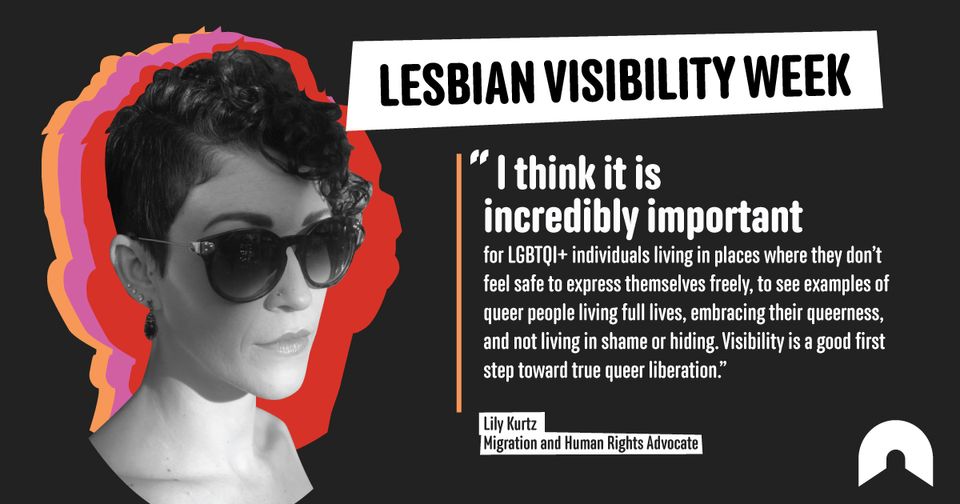
Black-and-white portrait with text advocating Lesbian Visibility Week.
Profiles

On the Front Lines: Fighting for LGBTQI+ Rights at the US-Mexico Border

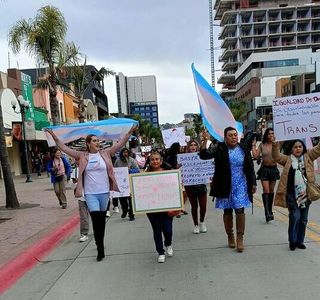
“I think it is incredibly important for LGBTQI+ individuals living in places where they don’t feel safe to express themselves freely, to see examples of queer people living full lives, embracing their queerness, and not living in shame or hiding. Visibility is a good first step toward true queer liberation.”   Lily Kurtz, she/her, is a Migration and Human Rights Advocate whose activism focuses on defending the right to asylum at the US-Mexico border. Her work comprises crisis response, emergency response to urgent cases, educating asylum seekers, as well as collecting and tracking data for large-scale litigation. Lily’s activism journey started when she traveled to Tijuana for the first time as a volunteer interpreter in January 2019, motivated by prior experience living in Mexico and a strong desire to assist at the border. What began as a long weekend of interpreting evolved into a commitment of one week per month, engaging in various activities such as providing information at the Port of Entry, conducting Know Your Rights presentations, and assisting with client intakes.As operations expanded, Lily transitioned to full-time volunteering and eventually assumed the role of Volunteer Coordinator at Al Otro Lado (AOL). AOL is a women-led bi-national advocacy, legal and humanitarian aid organization serving migrants, refugees and deportees in the United States and Mexico. This journey provided valuable insights into the challenges faced by individuals seeking entry into the US and reinforced Lily's dedication to supporting them.LGBTQI+ Experiences at the US-Mexico Border“I felt called to go to the border because it is the physical space that both connects and divides the two countries in which I have lived and built my life. As a US-born American citizen, someone the US government does not have the power to deport, I feel it is my duty to stand up against this unconscionable racism, homophobia, transphobia and violence. I am not happy to see my tax dollars spent to detain and abuse people, and therefore I used and will continue to use my relative safety to challenge these abhorrent practices.”Lily believes lesbian visibility is very important because lesbians face invisibility and distrust within the asylum system at the border. Their cases can be undermined if they have children or any romantic history with men, as US authorities often scrutinize their reasons for seeking asylum."It's not uncommon that these relationships come about because women do whatever they can in their home countries in order to keep themselves safer, or because they find men with whom to travel to the border to make the journey less dangerous. With limited access to reproductive care, particularly along the journey and while stuck waiting at the border, some queer women become pregnant and have babies."She further reflects on the importance of lesbian visibility: “We need to continue to build understanding and make visible the diversity within the lesbian and the entire LGBTQI+ community so that a wider variety of narratives and lived experiences can be included, so that real stories of persecution are more difficult to discredit.”LGBTQI+ asylum seekers endure even greater danger and mistreatment than the general population, frequently encountering violence during their journey to the border. In addition, there is a severe shortage of shelter spaces specifically for queer individuals at the border. Unlike many other migrants, queer migrants often lack eligible family members to sponsor them on the other side, leading to heightened risks of detention and increased rates of violence within detention facilities.Collaborating to Empower Asylum Seekers Lily connected with Rainbow Railroad at the beginning of 2022 while with AOL, when they started a collaborative project along with Amal Argentina to offer alternate migration options for LGBTQI+ asylum seekers waiting at the US-Mexico border.The project centered on the identification of safe relocation options outside the US for queer asylum seekers. Through collaboration with Amal, the project facilitated relocation to Argentina via a community sponsorship model, allowing more support for LGBTQI+ asylum seekers, including reduced detention risk and increased likelihood of winning asylum cases and obtaining permanent status in the new country. This information was provided to LGBTQI+ asylees so they could make informed decisions about where to seek asylum.The collaboration with Rainbow Railroad allowed for Al Otro Lado to carve out time and resources to dedicate specifically to LGBTQI+ migrants, and consequently empowered Lily as the Volunteer Coordinator to address the unique needs of LGBTQI+ asylum seekers in Mexico, such as providing them access to HIV medication and transportation to and from clinics. Furthermore, additional resources allowed for more effective crisis response, such as emergency housing for chronically ill queer asylum seekers stranded in extremely under-resourced and dangerous border towns.Individuals attempting to claim asylum in the United States are forced to wait for months or even years in some of the world's most perilous cities. During this time, they face threats ranging from kidnapping to extortion and human trafficking.To supporters of Rainbow Railroad, Lily shares: “Please continue to do so, your support makes this kind of work possible and without it, many LGBTQI+ individuals would not receive the assistance they so urgently need. Queer liberation work has a long way to go and we need all the support we can get along the way!”The Power of Activism in Queer LiberationThe most fulfilling aspect of Lily’s activism is witnessing a client benefit, whether by informing them of their rights, assisting them in obtaining life-saving medication, celebrating an infrequent asylum case victory, or merely providing a meal to someone who had gone hungry for days. “It was gratifying to educate and guide new volunteers and interns, observing their transformation from apprehensive beginners to confident, impactful advocates who made a meaningful difference in people's lives every day.”Lily’s dream is to see a respectful and caring US immigration systemthat does not involve detention, especially not-for-profit detention centers, and to see queer asylees and refugees being welcomed into the US with open arms and supportive communities.Lily believes that every queer life is important, “There is no freedom until we’re all free.” And to LGBTQI+ individuals who are experiencing difficulties, she asserts that many communities around the world highly value the lives, safety, health and happiness of queer people.When asked about the most difficult part of this work, Lily states that it was “seeing firsthand every single day just how little value the US government places on black, brown, and queer lives.”To Lily, queering the system means, “To be considered fully along with everyone else, not tacked on as an afterthought,” and she practices this in her work every day, aiming “to ensure queerness is always included in every conversation I am a part of, especially when it is not particularly welcome, by using my power and privilege to make room for more queer voices to be heard by those in power in order to effect change.”

6 min read
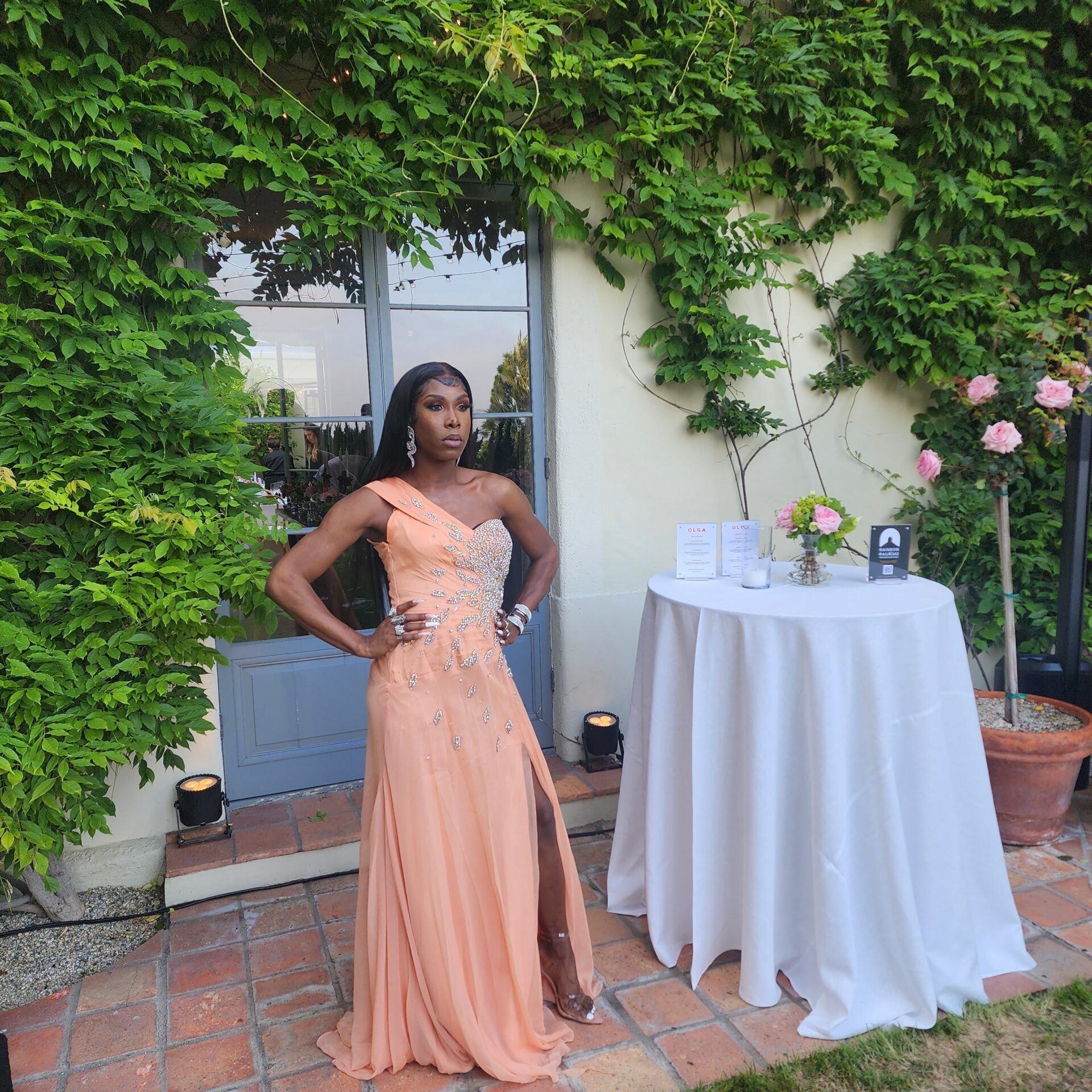
Person in long coral gown in front of a glass door and beside a white table.
Profiles

TRANSformation through Advocacy & Artistry: Rosheka’s Activism Journey

“The day I decided to leave Jamaica was one of the happiest of my life. Leaving my mother behind was incredibly difficult, but she supported me through thick and thin, and blessed my decision to go. I simply could no longer stay in Jamaica. It was not safe. I was attacked multiple times because I tried to create change in my country.”Rosheka’s story exemplifies the persecution that many trans women who reach out to Rainbow Railroad experience. As a child, she was picked on and physically abused by her brothers. When the abuse became unbearable she had to run away from home, in search of shelter and a livelihood. “My family bullied me, abused me, and I was an outcast from society. As a black trans woman, it is very difficult to survive in Jamaica.”Rosheka’s journey led to her discovery of a trans community, where she met and learned from other trans individuals who affirmed her transness. Within the community, she also discovered her passion for drag performance.“I became more involved in performing as a drag queen and over time, I became more popular — not just in the LGBTQI+ community, but also in the cis-hetero community. It became increasingly difficult to walk around in public because I was being recognized more due to my advocacy.” Rosheka’s activism placed her at risk in Jamaica. Although she was able to earn money through performing, and feel “like a human being,” she also gained visibility as an advocate, which made her a target of transmisogynistic violence. Ultimately, things became untenable. With the help of Rainbow Railroad, Rosheka fled Jamaica. She eventually resettled in the U.S. and things have improved for her since.“It feels amazing to be in a country where I can be myself. Now I can go out in public and not feel inferior and like someone is going to attack me. Like I’m going to be shot and killed in the middle of the street like a dog. I feel alive for the first time in years.” Tracking TransmisogynyTransmisogyny knows no borders. But there are real differences between countries where trans people have some protections in law versus those where transmisogynistic violence is met with complete impunity. These differences show up in the data Rainbow Railroad collects.In 2023, we saw a 148% increase in requests for help from trans women, compared to the previous year. Top drivers of displacement and reported safety concerns include community rejection, family-based rejection, verbal threats and abuse, community violence, and being beaten up / shot at / chopped. In comparison to other gender identities, those who identify as genders other than cis, had a higher increase of requests for help. Notably, the increase in requests for assistance from trans women was 49% greater than cis women.Marking International Women’s Day by Drawing Attention to Transmisogyny This year, Rainbow Railroad is marking International Women’s Day by spotlighting the continuing epidemic of violence faced by trans women globally, and how our community can commit to eradicating transmisogyny.While gender-based violence affects all women, it affects trans women disproportionately. Trans women face shocking rates of intimate partner violence, a lack of human rights, police brutality, and extreme economic marginalization.In recent decades, as trans people have fought and won greater visibility and recognition, they have faced a violent global backlash against their existence. In the U.S. hundreds of anti-trans bills have been proposed in the last few years alone, targeting access to gender-affirming healthcare, inclusive education, civil rights, and art forms like drag shows. Anti-trans legislation fuels acts of violence committed against trans people — especially trans women. Rosheka’s messageNow settled in the U.S., Rosheka has a message for trans women and LGBTQI+ people everywhere.“There are people who try to put us in a box and cast us aside. We will thrive in spite of them and experience queer liberation where we are free of every harmful rule, every harmful law, and every harmful mindset.” On this International Women’s Day, Rainbow Railroad recommits to helping trans women — and LGBTQI+ people of all identities — escape violence and persecution in order to live lives of dignity and opportunity. With your support, Rainbow Railroad continues to provide a lifeline to trans women who reach out to us. Through our programs, which include emergency relocation, we help trans women like Rosheka escape extreme violence around the world and relocate to safer countries. 

4 min read
Partner Profile
Profiles

Providing Essential Support for LGBTQI+ Refugees in South Africa

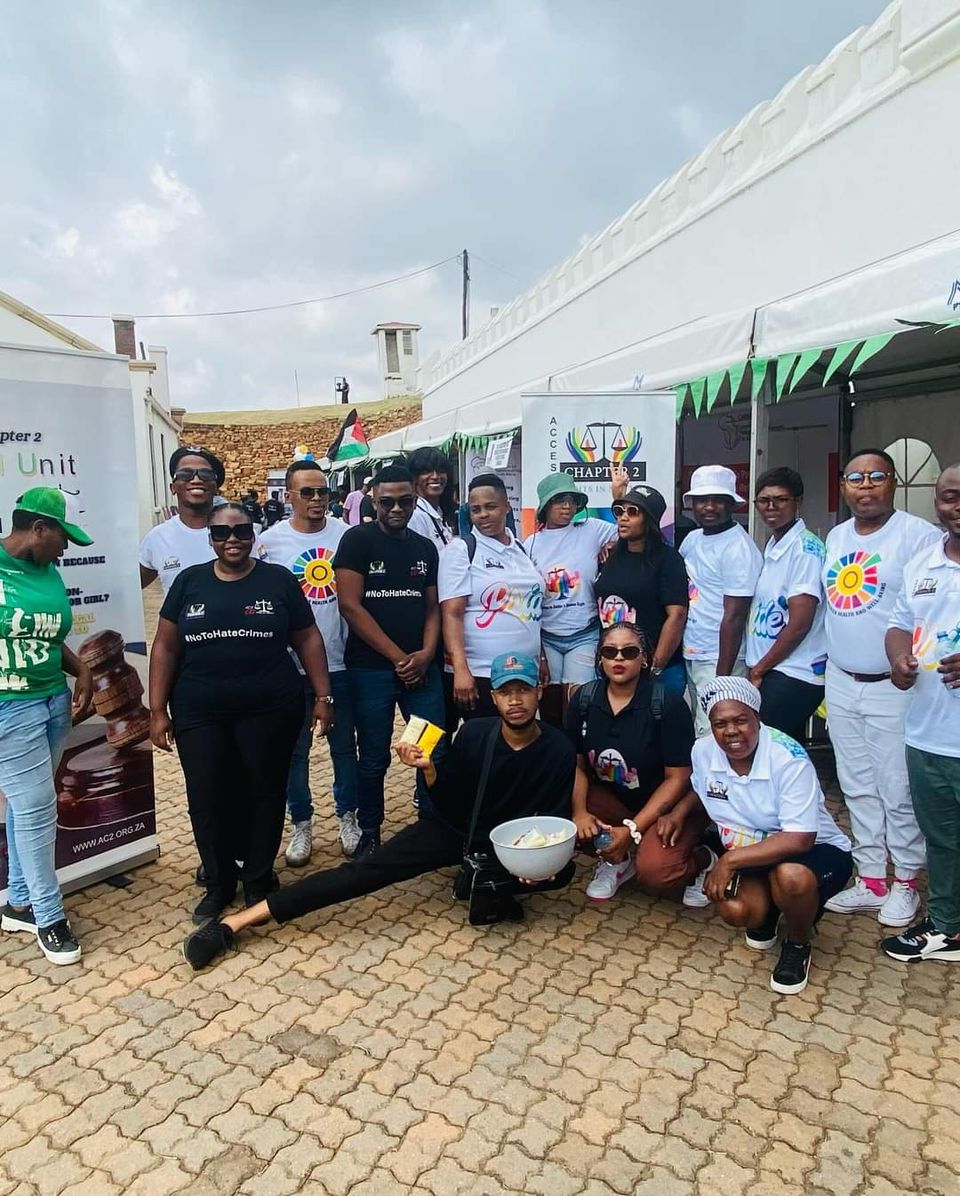
Rainbow Railroad is dedicated to providing safety and support to at-risk LGBTQI+ individuals globally through five programs, in addition to emergency travel assistance.One of these programs is Partnership Development, through which Rainbow Railroad directly invests in the capacity building and livelihood support of human rights defenders, grassroots organizations, and collectives in countries where LGBTQI+ individuals face forced displacement. Since 2020, Rainbow Railroad has supported over 8,890 LGBTQI+ individuals through more than 70 different partnerships. One of those partnerships is with The Fruit Basket in South Africa (TFB). TFB is a trans- and migrant-led organization that advocates for the social inclusion and legal recognition of LGBTQI+ refugees seeking protection in South Africa.Thomars Shamuyarira, the founder and director of TFB, reflects on the challenges he faced as a transgender refugee in 2016, inspiring the creation of TFB:"I wondered then how others who were more disadvantaged than I was, were surviving. I could communicate in English, I had access to the internet, I could afford to travel from one office to another, and I also had some confidence that allowed me to knock on doors and ask questions."Amid frustration from the lack of support available to LGBTQI+ refugees, Thomars found hope in South Africa's openness to granting refugee status based on sexual orientation and gender identity. However, LGBTQI+ refugees still faced unique challenges, including barriers to accessing employment due to systemic exclusion. Recognizing the urgency of these challenges, TFB is dedicated to addressing the immediate needs of the LGBTQI+ refugee community through its longstanding relief program established in 2016. As part of the program, TFB offers Chakalaka sessions — brunch gatherings where African meals are cooked and served to unite members of the LGBTQI+ migrant, refugee and asylum seeker community in Johannesburg.Additionally, TFB provides reference letters for community members seeking resettlement support from Rainbow Railroad. The Fruit Basket and Rainbow Railroad partnership, launched in 2023, aims to bolster TFB's safe house to continue providing for its residents despite increased costs. The safe house is specifically designed for new arrivals, particularly those fleeing Uganda after the implementation of draconian anti-homosexuality laws.Reflecting on the partnership, Thomars shares,"Rainbow Railroad offers a very important and much-needed service to the marginalized community that we serve here in South Africa.”He also expresses a message to Rainbow Railroad supporters:“We appreciate you. Our world needs more people like you, who support causes even when they do not affect you directly. Thank you for your humanism and ubuntu." Thomars describes the day-to-day work at TFB as rewarding, reinstating hope and dignity for community members. Despite the emotional toll of hearing and witnessing the trauma experienced by the community, the impact of this work outweighs the challenges.Contemplating the complexity and volume of this work, Thomars shares,"It is so difficult knowing that even through all this work and effort we put in daily, some individuals have been beneficiaries of the organization since its inception. We watch people give up and return to the countries they fled from, even when the threats they escaped are still there."In addition to the safe house, TFB’s multifaceted support includes skills development, training, and asylum assistance workshops. Prioritizing mental health and solidarity, TFB offers workshops that provide a safe space for the LGBTQI+ community to heal and connect.Thomars emphasizes the importance of building community:"The Queer community is my chosen family. It is everything to me, and I will fight to death for my family. We are colorful, we are proud, we are happy, and we are loving."Being a small organization with two permanent staff and three volunteers doesn’t deter The Fruit Basket from having strategic aspirations."We want to be able to attend high-level meetings where decisions that affect the LGBTQI+ community are made and be a part of the decision-making process. We hope that one day South Africa becomes the enabling environment for our community that we all believed it was when we left everything and everyone to come and seek protection here."

4 min read
Volunteer Profile
Profiles

My Path to Sponsoring an LGBTQI+ Refugee with Rainbow Railroad

Thirty years ago, I escaped the war in Bosnia and started a new life, first in the US then in Canada. Now, I’m in a position to help. Almost 30 years ago, a group of compassionate people came together to help me escape the war in Bosnia. Their kindness changed my life forever and motivated me to pay it forward. This is one of the many reasons why I’ve chosen to get involved in sponsoring an LGBTQI+ refugee with Rainbow Railroad, an organization I've admired for years.I first learned about the opportunity to sponsor a refugee when my friend MS posted online asking people to get involved. A chance to positively impact a refugee fleeing violence and persecution was instantly relatable and meaningful to me, as I had once stood in similar shoes. I quickly messaged MS.Now, I’m officially part of a sponsorship group, which includes my partner Rodney, working hand in hand with staff at Rainbow Railroad to fundraise and prepare for the arrival of an LGBTQI+ refugee in search of a better life here in Canada. Reflecting on my own experience settling down in a new country, I sincerely appreciate the crucial support from a few individuals who played a pivotal role in helping me. It’s incredibly gratifying to do the same for someone else fleeing persecution. Working with Rainbow Railroad has been an enlightening experience. The staff has been incredibly responsive, offering valuable resources that prepare us for the challenges and responsibilities of sponsorship. We constantly communicate with them as we fundraise and develop all the needed support for the refugee we’ll help welcome to Toronto. Our group is awaiting the newcomer's arrival with a mix of excitement and nerves. We eagerly anticipate the moment he arrives in Canada and plan to welcome him here. At the same time, we are keenly aware of the challenges he’ll face in the months and years to come. Despite the nerves, we couldn’t feel more reassured by the staff at Rainbow Railroad, whose experience and guidance are invaluable in ensuring that we are ready to support him in the best way possible. Toronto, the city I've come to call home, is a cultural and economic powerhouse, boasting a thriving LGBTQI+ community. It's a place where countless individuals, including myself, find refuge, safety, a better life, and the freedom to be ourselves. I'm hopeful that he will be able to feel the same way I’ve come to feel: safer, freer, and living without the threat of violence and persecution. I want, and hope for him, to become part of this vibrant and dynamic city and country I’m now proud to call home. To those considering becoming sponsors but are unsure:In a world marred by chaos and negativity, sponsoring an LGBTQI+ newcomer to Canada offers a chance to make a tangible difference.While the commitment is serious and demanding, it's a shared responsibility within the team, bolstered by support from Rainbow Railroad and other settlement organizations. For me, it’s also been a way to grow my community right here in the city, as I’ve become friends with my settlement teammates.The queer community holds a special place in my heart. It's where I feel a profound sense of belonging. I feel that being part of the queer community comes with the responsibility to look out for each other, especially as queer and trans rights face challenges globally. It's a collective responsibility to protect our hard-won freedoms and bring our straight allies along the journey to be our best selves.The other day, I watched the sunset over the city skyline from Riverdale Park East in Toronto. Sitting on a bench and watching the sunset, I reflected on my journey, which started almost 30 years ago. I again fell in love with Toronto — its openness and ambition — which has given me so much opportunity to live my best life. We are full of hope that our newcomers will have the same opportunity.I recognize that there are countless ways, big and small, to contribute. I feel fortunate that one way I can contribute is by helping to welcome an LGBTQI+ newcomer to Canada. I hope my story inspires those who haven't joined the effort to consider how they, too, can make a meaningful impact. If you live in Toronto, Canada and are interested in learning more or becoming involved in Rainbow Railroad's Private Sponsorship Program, please complete a volunteer form.Dario K is a Rainbow Railroad volunteer who is part of a Private Sponsorship Group that is fundraising and preparing for the arrival of a newcomer. 

4 min read
Newcomer Profile
Profiles

Newcomer Profile: Umar's Story

Settling into life in Toronto, Umar reflects on the challenges he continues to face, while looking forward to the future he imagines for himself.“We, as Black queer people, we have to keep pushing for the world to know our stories.”Growing up in Uganda, Umar faced discrimination within his community and from his family, confronting rejection at home and struggling to access employment because of the stigma faced by the LGBTQI+ community. In 2019, a member of his family outed him to his community, which led to increased harassment and violence. After he and his partner were attacked and arrested, he was unable to return home, realizing that it was no longer safe for him to stay in Uganda.Umar crossed the border to Kenya, where he ended up living in a refugee camp. There, he connected with a community of LGBTQI+ Ugandans, but they faced homophobic discrimination and violence from other individuals in the camp without protection from staff. After learning about Rainbow Railroad from a Facebook post, he reached out to the organization and was connected with a caseworker. In 2022, Umar was approved to receive support through the Canadian Private Sponsorship of Refugees Program (PSR). Through PSR, volunteers come together with Rainbow Railroad’s assistance to help LGBTQI+ newcomers resettle in Canada. In the fall of 2023, Umar arrived in Toronto, welcomed by his settlement team. As Umar has experienced, the challenges of resettlement do not end upon arrival to a new, safer country. In Canada, he navigated the stress of finding a job and building a community. Although he left Uganda and Kenya, he continues to process the hardships he endured. Looking to the future, he is hopeful, stating,“For years, I have been running. I’m starting to feel like I’m being accepted in a new country, so maybe I could call Canada home. Home, to me, is somewhere I have peace — and I’ve found it here.”Reflecting on his experiences as an African LGBTQI+ refugee, he shares,“Our voices are not heard like others. There was a time when we did not feel recognized because we are from Africa. That’s why we didn’t receive help.”Umar’s journey has only been possible because of his own persistence and commitment to finding a pathway to safety. He calls on the global LGBTQI+ community to pay attention to the voices of Black queer refugees, to learn from their lived experiences and listen to their perspectives and stories. Umar continues to advocate for his community, and believes that sharing his own experience can help others who are facing similar persecution. As he continues to settle in Toronto, Umar is committed to giving back to his community, with plans to train as a care worker, and someday as a nurse. When imagining a future for himself, Umar hopes to build a queer community that provides support and friendship, saying simply,“To me, queer community means loving, queer community means welcoming, queer community means caring.”  If you live in Toronto, Canada and are interested in learning more or becoming involved in Rainbow Railroad's Private Sponsorship Program, please complete the volunteer form.

3 min read
Volunteer Profile
Profiles

Finding Home & Creating Belonging

Longjones is a volunteer for Rainbow Railroad’s Communities of Care program. Based in Boston, he is part of a Private Sponsorship Group (PSG) with four other community members who are welcoming an LGBTQI+ newcomer through Welcome Corps. Below, he describes how his own experiences resettling in the United States have informed his commitment to supporting other LGBTQI+ newcomers. Learn more about volunteering to support a newcomer in the United States here. Why did you get involved with Welcome Corps?From my own story of having to run away from persecution and find a new home with no one I know but strangers, I can understand what it means and fit in the shoes of those newcomers who arrive in the USA/Canada.I am passionate about working with LGBTQ+ communities. Getting involved with Welcome Corps was a way for me to support newcomers and help them feel welcome and support them to navigate the systems as they settle into their new homes.How did you hear about private sponsorship?One of my comrades with whom we have worked for many years back in Uganda and who is in Canada now reached out to me. After visiting the website and learning more about it, I felt like this was not something new to me because I had already been doing this kind of work as an individual with the support of individual friends and my church. But, now as a PSG, we would be working as a team of five. I went on to reach out to a couple of folks I trusted and I know had a passion for such causes.Please tell us a little about your group and its members. How do you all know each other? Our group comprises five folks with different backgrounds from health to education and social work. What stands out is that we all believe that humans should live with dignity and that people should be free no matter what their gender identity or sexual orientation is. Have you done anything like this before? Some members of the group have done this kind of work before but this time, it's more structured. Three of our members are part of Choro Allegro Choruses based in Boston and they have been using music to advocate for human rights. One other member has been working in the health sector around HIV with LGBTQ+ communities of color. I personally started this specific kind of work to support refugees in 2015, based on my own experience and journey.Please tell us about your experience working with Rainbow Railroad. Our experience working with Rainbow Railroad so far has been amazing and interesting. The communication has been awesome, and the teamwork with the PSG has been great, answering all our concerns. The training has been tremendously helpful in welcoming our first match about two weeks ago.What makes your city or community a great place to resettle and live in?The city is diverse and a great place to live in. It has an urban-suburban mixed feel and is easy to navigate. What are you most excited about with the newcomer's arrival? What are you most nervous about?What has excited us about the newcomer’s arrival is that we have helped someone escape persecution. As we navigate communication with each other, we’ve been utilizing various language apps, including Duolingo, Google, and Apple translators. Paying attention to the small details has made our new arrival feel welcome. Knowing their birthday was the day before they arrived, we made a birthday cake and had it with us at the airport when we welcomed our match. Seeing how they reacted made our eyes fill with tears. What would you say to someone who is considering becoming a part of a PSG but is on the fence about it?I would encourage them to do so. I would share with them my experience and how wonderful it feels knowing their support for the newcomers plays a key role in ensuring the refugee feels safe, loved, and welcomed. One doesn’t have to feel pressured. Once the new arrival is here, things unfold and one realizes the tasks are manageable. It’s helpful to have clear, structured check-ins at least twice a week. They need to do a lot of research around the cultures and services, and let the new arrival be part of the planning. Check in with what they want to do, and outline what could be achievable in the short and long term. What does community — queer community — mean to you?It's the open-mindedness as to how one views gender and sexuality identities. One doesn’t have to necessarily be an LGBTQ+ identifying person to be considered Queer. It can also mean challenging traditional norms and fighting social inequality.What does Black queer resistance mean to you? How does it inform your involvement with Welcome Corps, and with Rainbow Railroad? What does Black queer excellence mean to you? Black queer excellence and resistance relate to the struggle that the LGBTQI+ community and allies have fought for — to be visible and accepted. Breaking the chains of tradition and viewing the world from a different lens. It’s about realizing the countless sacrifices among Black folks.Queer resistance — the act of refusal to be treated differently or less than others — standing up against injustices.Volunteering with a PSG is in line with Black excellence and resistance, by standing up against injustices, volunteering time to welcome a new arrival and creating a safe space and environment for them. While Rainbow Railroad is working tirelessly to ensure a safe passage for those facing persecution and injustices, they need PSGs to help expedite the process to ensure more of those at risk get out safely. We at the grassroots level play a key role in the work of Welcome Corps and Rainbow Railroad. I am grateful for being a part of this great work.If you live in the US and are interested in learning more or becoming involved in Rainbow Railroad’s Communities of Care Program, please complete the volunteer form.

5 min read
Newcomer Profile
Profiles

Newcomer Profile: Khalid's Story

Born in Sudan, Khalid relocated to Malaysia in 2022 before reaching out to Rainbow Railroad and eventually resettling in Canada in September 2023. Below, he shares his reflections on his journey seeking safety over the past two years.This story contains reference to violence and other forms of abuse towards the LGBTQI+ community. Growing up in a seemingly privileged middle-class family, I soon realized that appearances can be deceiving. Despite their education and outward prosperity, my family held deep-rooted prejudices, particularly towards the LGBTQI+ community. Living in a country where being queer is not only socially condemned but also criminalized, I witnessed the horrifying consequences of such discrimination firsthand. People were persecuted — even killed — simply for being true to themselves.One tragic incident hit close to home when my dear friend lost his life at the hands of his own father, when he discovered his son's sexual orientation. This injustice fueled my anger and helplessness, driving me to seek safety and freedom elsewhere. Little did I know that my escape would mark the beginning of an arduous journey.Bidding farewell to my tearful mother, I embarked on a path that would forever change my life. To study abroad I knew Malaysia isn't the best place, but in comparison to back home, Malaysia is better. However, my worst nightmares materialized overnight. My once supportive family turned their backs on me, leaving me homeless and utterly unprepared for the challenges ahead. Suddenly, I found myself alone, unable to even cook or wash my own clothes. It was a harsh awakening, far removed from the security I had known within my family.Sadly, my struggles did not end there. As an asylum seeker,I faced exploitation, abuse, and racism in my workplace. The restaurant industry became my new reality, where I had to swallow my pride and endure the cruelty of labor exploitation. It was a stark contrast to the work I had previously done back home with NGOs supporting refugees. Never could I have imagined that one day I would become a refugee myself.Amidst the hardships, a glimmer of hope emerged. In Malaysia, I discovered organizations like Jejaka and Justice for Sisters who stood by me and provided support to me. Their unwavering dedication inspired me to commit my life and time to helping others in similar situations.And because of Rainbow Railroad, I have found safety and refuge in Canada. Their tireless efforts have provided me with the opportunity to rebuild my life and advocate for others in similar situations. I realized the importance of solidarity within our community, as no one understands our struggles better than ourselves. Together, we must fight for our rights, for we are the most targeted and vulnerable community in the world.In Canada, I really want to engage with my Canadian community and to learn from the LGBTQI+ community. I hope to use this knowledge to help the queer community back in Sudan. I want to work towards ensuring every single individual has access to healthcare because in Sudan we are still dealing with stigma surrounding HIV, and discrimination and criminalization of queer identities. I'm committed to supporting my Sudanese queer community and anyone in need, and it's not just something I want to do -  it's a journey to make things better. I want to fix important problems and help those who need it. I want to make sure their voices are heard.Even when things get tough, I stay hopeful and focused. If I can achieve these goals in my lifetime, it's not just a win for me, but it shows how working together and caring for each other can make a big difference.I dream of a world where everyone, no matter where they come from, can do well and have their voices heard. My dream isn't just about reaching my goals; it's about inspiring others to work together for a fair and equal future.As I reflect on my journey, I am reminded that strength arises from adversity. My experiences have shaped my determination to empower and uplift the queer community. It is our collective responsibility to fight for our rights, ensuring that the world recognizes and respects our existence. Let us stand together, united in our pursuit of equality and justice. 

4 min read
Group of people in colourful clothing with the MRF Banner.
Profiles

Mbarara Rise Foundation

In addition to providing emergency travel support to individuals fleeing persecution, Rainbow Railroad operates five programs, including Partnership Development. Through this program, we work closely with human rights defenders and grassroots organizations to provide direct support to LGBTQI+ communities on the ground. One of these organizations is Mbarara Rise Foundation (MRF). MRF was founded in 2016 to address discrimination, violence and persecution faced by LGBTQI+ individuals in rural communities in western Uganda. They promote social change, equality, and acceptance, and offer a range of essential services tailored to the needs of the LGBTQI+ community in Uganda. These services include legal aid, HIV-related support and counseling, healthcare access, advocacy, safe housing and relocation, and economic empowerment skills programs.Real Raymond, MRF’s Executive Director, reflects on the ups and downs of operating the organization: “We face a combination of challenges and rewarding moments. The difficult parts primarily revolve around the persistent discrimination, persecution and violence faced by LGBTQI+ individuals in Uganda. It is heart-wrenching to witness the hardships LGBTQI+ individuals endure due to societal prejudice and discriminatory laws. Additionally, working in an environment where our mission is met with resistance and hostility can be emotionally taxing. However, we’re never deterred by these challenges. We also witness the transformation and positive impact of our work on the LGBTQI+ individuals we support. These success stories serve as a guiding light and inspire us to continue our work. The resilience and strength of the LGBTQI+ community in Uganda are a constant source of inspiration for us.” MRF continues to advocate for legislative change and empower LGBTQI+ individuals to be a catalyst for social change, contributing to a more inclusive and accepting society in Uganda.To LGBTQI+ individuals facing difficulties, Mbarara offers a message of solidarity, resilience, and hope: “You are not alone and your identity is valid. Reach out for support and find allies who will stand by your side. There is strength in our community, and together, we can create positive change. Your well-being and happiness are worth fighting for, and brighter days are ahead.”“And to those who support Rainbow Railroad, we, at MRF, extend our deepest gratitude and appreciation. Your support of Rainbow Railroad is a lifeline for LGBTQI+ individuals in Uganda and around the world. You are making a tangible difference in the lives of those who need it most. Your commitment to our cause is a beacon of hope, and we thank you for your unwavering solidarity and generosity. Together, we are working towards a world where love, acceptance, and equality prevail.” This Giving Tuesday, November 28, all donations to Rainbow Railroad will be directed to our work in Uganda, including our support of partner organizations like MRF. Donate here. 

3 min read
Person dancing on a stage with colourful lights.
Profiles

Trans Awareness Week

Trans Awareness Week November 13-19We observe Transgender Awareness Week at Rainbow Railroad to promote greater acceptance, visibility, inclusivity, and social change for the transgender community. In order to understand and address the challenges the global trans community faces, it is critical to centre the lived experiences of its members. In 2023, the number of requests for help from trans individuals Rainbow Railroad received doubled.Julia is one of the trans individuals Rainbow Railroad supported this year. Growing up in Tunisia, she faced bullying and harassment because of her identity. At only 18 years old, she was imprisoned because a piece of her ID did not match her gender expression. As a result, she spent over a year in prison without facing a fair trial.Julia is a multi-talented artist and creator. In 2018, she founded “Alwani,” which means “My colours'', in Arabic, an organization dedicated to advocating for the LGBT community in Tunisia. As a result of her activism, Julia was invited by the Arab Institute for Research and Publishing in Lebanon to help update their guide on gendered vocabulary in the Arabic language.2022 was a turning point for Julia when members of an extremist group attacked both her and her mother. Through a recommendation of a friend, she reached out to Rainbow Railroad. The decision to leave Tunisia was not easy. She would have to leave her family behind and face financial insecurity from her resettlement. However, she felt she had no choice but to leave, describing her mental state as “in constant fear and expecting harassment at every corner, or worse, the police dragging me down to the station.”Julia sought refuge in Madrid. She describes her three-day wait at the airport as a positive experience. Contrary to all her expectations, she was well taken care of, fed and given a phone to call home. The Red Cross provided her with a wheelchair because of complications she suffered throughout her travels. On June 14, 2023, Julia, at 28 years old, was granted asylum in Spain and started her new life in Madrid.A resettlement organization, Rescate, supported Julia with housing in Spain and helped her learn Spanish. When asked how she adjusted to her new life in Madrid, she remarks, “I feel at peace, safe and secure. That is what changed for me — not the change in geographic location. My mind is no longer busy looking for ways to run for safety or thinking of how to prepare for the worst scenario possible.”Her days in Madrid are occupied with participating in different activities through Rescate, learning Spanish and enjoying her hobbies of cooking and drawing.Her current motto in life is: “I learn something new every day and every day is the best day of my life”.“I tell my Tunisian LGBTQ+ folks not to despair and not to give up, and not to tire; to work toward your clear goals and realize them. Don’t hesitate to ask for help from community organizations or lawyers, and be who you are and live for what your souls yearn for, not for others. And don’t forget to dance to life’s ever-changing tunes.”“I thank everyone who supported and supports Rainbow Railroad. And I tell them that their donations helped me reach safer shores and their donations are helping many others like me from the LGBTQI+ communities all over the world.”  In 2023, Rainbow Railroad successfully relocated hundreds of individuals like Julia, while providing vital support to thousands of others through shelter, emergency financial assistance, crisis response support, and other programs. Help make our work possible by making a donation today at rainbowrailroad.org/donate.

3 min read