Issues
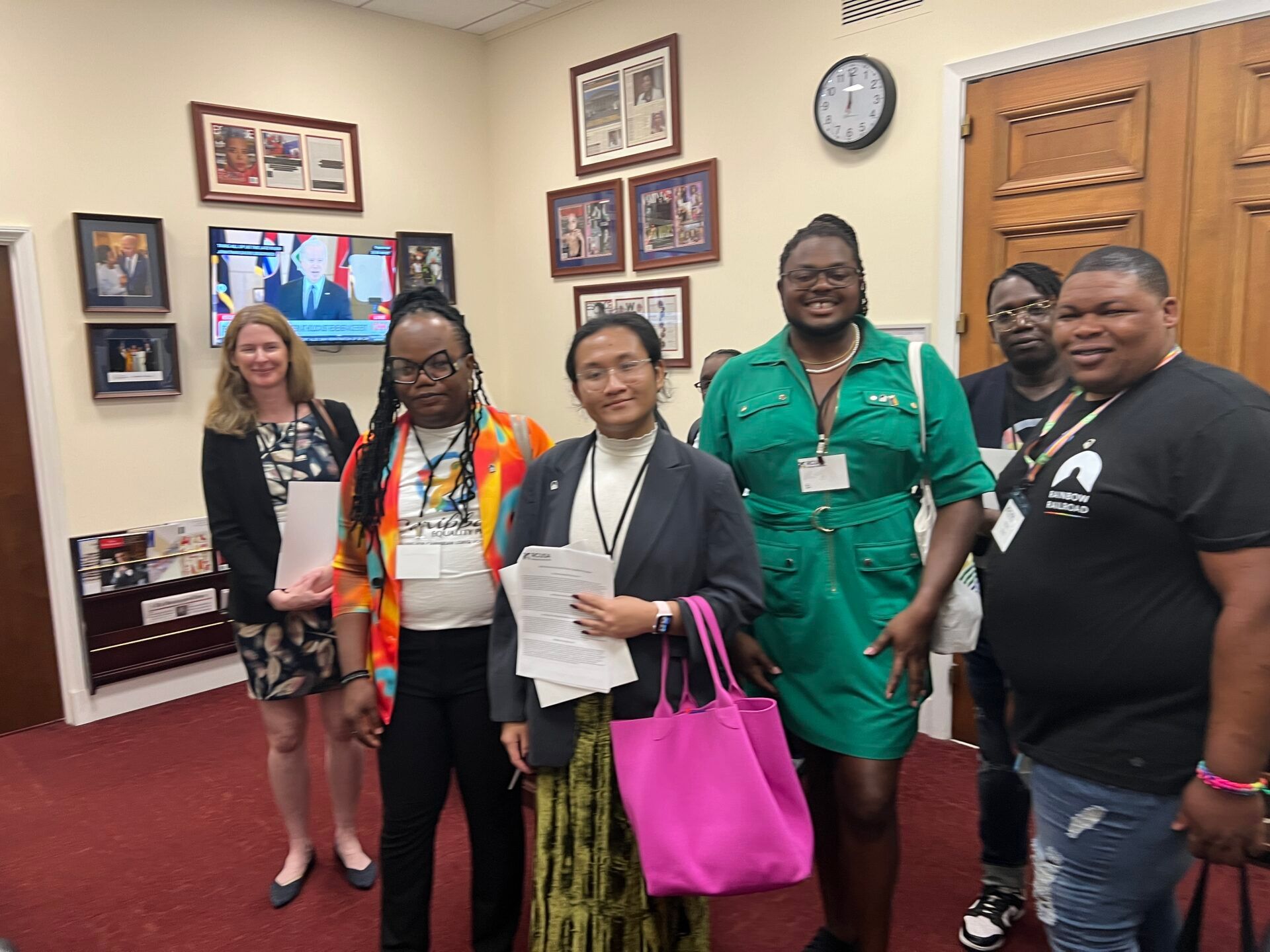
“We are here to stay”: Rainbow Railroad and LGBTQI+ Refugees and Asylum Seekers Advocate to US Congress
Gathering for Advocacy: RCUSA Advocacy Days
6 min read
Important Issues in our Work
Gathering for Advocacy: RCUSA Advocacy Days
This Pride season, you can support Rainbow Railroad’s vital work through our corporate partners.
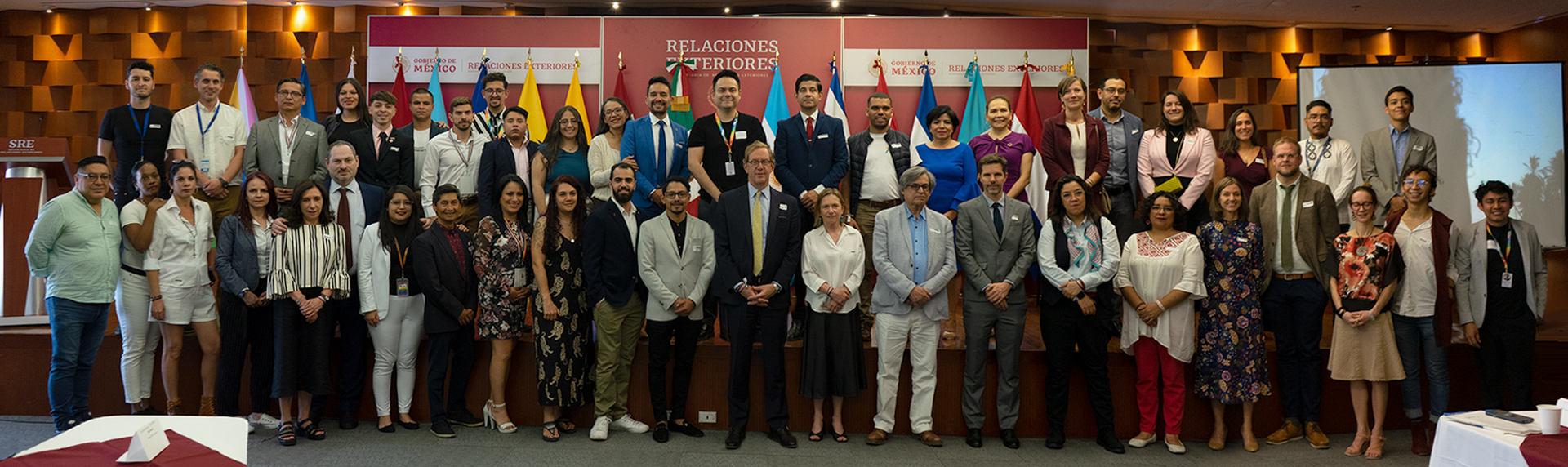
In a powerful show of solidarity and support, Rainbow Railroad took part in the official launch of the Latin American Network on Forced Displacement in Mexico City from May 15 to 17. This pivotal event brought together queer organizations from across Latin America, united in their mission to address the urgent challenges faced by LGBTQI+ individuals forced to flee their homes through various migration routes in Latin America.The network's creation stems from a dire need to provide targeted support and advocacy for LGBTQI+ people on the move. With many countries in the region posing significant risks to queer individuals, the network fills a crucial gap. It's a unique, collective effort focused on addressing LGBTQI+ human mobility.Held at the Ministry of Foreign Affairs, the launch saw participation from several embassies, including the American and Canadian Embassies, along with Mexican officials and the United Nations Refugee Agency. The event's timing, coinciding with the International Day Against Homophobia, Biphobia, and Transphobia on May 17, underscored the global commitment to combating LGBTQI+ discrimination.Rainbow Railroad's role was significant. As a sub-granting organization of the ACTIF (Act Together for Inclusion Fund), the project that helped establish the network, we were not only witnesses but active participants, signing the declaration as allies of the network. This involvement highlights our dedication to supporting international initiatives that protect LGBTQI+ rights.The network comprises a remarkable coalition of organizations working tirelessly to support LGBTQI+ individuals across Latin America. These include Casa Frida from Mexico, Derechos Humanos y Diversidad AC from Argentina, Corporación Red Somos from Colombia, Asociación Lambda from Guatemala, and many others from countries including Venezuela, El Salvador, Costa Rica, Peru, Nicaragua, Ecuador, and Honduras.Danilo Manzano, the Executive Director of Diálogo Diverso and the current secretariat of the network, shares valuable insights on the network’s inception and its vital role: “The network was established to fill a critical gap, ensuring coordinated support for LGBTQI+ individuals in forced displacement. Its unique focus and collective governance make it stand out.” Danilo also highlights the importance of strengthening the network's capacity and international advocacy efforts.Looking forward, the network aims to secure funding for people living with HIV within its portfolio and enhance its internal structures for better international advocacy. Rainbow Railroad remains committed to collaborating with the network, identifying global opportunities for advocacy, and addressing the broader issues of forced displacement.Our participation in the Latin American Network on Forced Displacement launch is a testament to our ongoing commitment to global LGBTQI+ rights. By supporting initiatives like this, we continue to advocate for the safety and dignity of LGBTQI+ individuals worldwide, ensuring that those forced to flee their homes receive the support and protection they need.
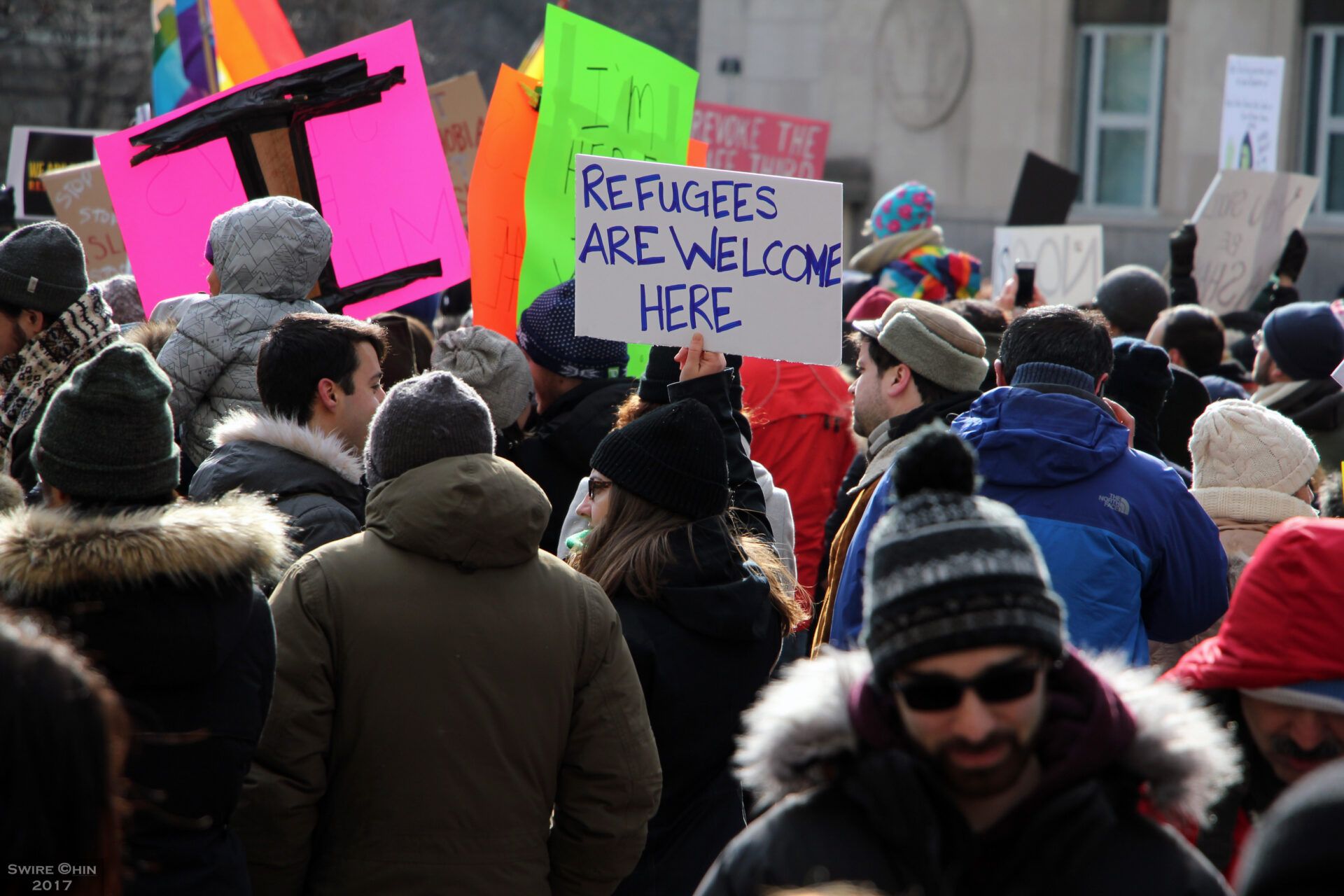
Rainbow Railroad is deeply concerned and condemns the Biden Administration’s executive order that imposes severe restrictions on the right to seek asylum, putting those seeking refuge in harm's way.This unlawful ban violates U.S. and international refugee laws, endangers LGBTQI+ people at risk seeking safety at the border, and breaches the Presidential Memorandum on Advancing the Human Rights of LGBTQI+ Persons Around the World.The latest regulations will bar numerous individuals requiring international safeguards from seeking asylum. This will leave them in danger without a viable means of finding refuge and vulnerable to being sent back to life-threatening circumstances.Those asserting a genuine fear of persecution in their country of origin must be granted access to secure havens and have their cases thoroughly and fairly evaluated before any consideration of deportation or expulsion.At a time when there are more forcibly displaced people in the world than at any other time in recorded history, we need concrete solutions that uphold human rights, tackle underlying drivers of forced migration, and establish secure pathways to safety.In over 60 countries around the world, queer and trans people face persecution, simply because of who they are or who they love. Rainbow Railroad calls for Solidarity in Pride and a collective commitment to queer liberation.Seeking asylum is a human right. Queer and trans individuals seeking refuge in the U.S. are fleeing persecution in countries that criminalize their LGBTQI+ identity. This executive order breaks the Biden Administration’s promise to protect vulnerable LGBTQI+ refugees and asylum seekers.Rainbow Railroad calls on the United States to uphold its international obligations and urges the government to reconsider restrictions that undermine the fundamental right to seek asylum.
This Pride Season, visit our corporate partners and support Rainbow Railroad’s vital work
Today, Uganda’s top court rejected the request to nullify the draconian Anti-Homosexuality Act of 2023 (AHA23). Initially signed into law last May by President Museveni, AHA23 is one of the most extreme pieces of anti-LGBTQI+ legislation in the world, and includes the death penalty and life imprisonment.The Constitutional Court only invalidated provisions related to the failure to report homosexual activities, permitted use of premises for engaging in homosexuality, and transmitting a "terminal illness" through same-sex intercourse, finding that these sections violate the right to health, privacy and freedom of religion. The majority of the AHA23 was unanimously upheld by the court. Rainbow Railroad is deeply concerned and stands with the Ugandan LGBTQI+ community in demanding meaningful protection of human rights and unequivocally opposing this Act.Rise in Requests for Help Across the African ContinentSince the law’s passage, Rainbow Railroad has fielded a consistent increase in requests for help from queer and trans Ugandans.In 2023, we received over 1,390 requests for help from Uganda — more than any year in our organization’s history. An alarming 81% of these requests were received following the law's adoption.In 2024, Uganda continues to be one of the top countries where requests for help originate. Requests received last year and this year include reports of persecution such as loss of employment, torture, suicide, violent arrests and evictions of LGBTQI+ people.In January and February of 2024, we experienced a 49% increase in requests for assistance compared to the same period in 2023.Understanding the Regional RamificationsAHA23 is the latest in a disturbing surge of colonial-era anti-LGBTQI+ legislation in Africa, fueled by well-funded and organized evangelical groups. Similar legislation in other countries has led to severe consequences for LGBTQI+ individuals. In February, Ghana passed an anti-LGBTQI+ bill that further threatens and criminalizes queer and trans individuals.Currently, same-sex intimacy is illegal in 31 African countries and punishable by death in three, including Uganda. In 2023, we saw a 108% increase in requests for help from African individuals, compared to 2022. In the first two months of 2024, requests for help from African individuals increased by 47%, compared to the same period in 2023.Right now, Rainbow Railroad is working to get at-risk LGBTQI+ Ugandans to safety through emergency travel support, supporting local partner organizations, and providing vital services, including shelter, access to medical care, bail funding and legal aid services.LGBTQI+ advocate and Executive Director of local partner Sexual Minorities Uganda, Frank Mugisha, condemns the Constitutional Court’s decision:“We continue to call for this law to be repealed and we are calling on all governments, UN partners, and multilateral institutions such as the World Bank and the Global Fund to likewise intensify their demand that this law be struck down. This ruling should result in further restrictions to funding for Uganda — no donor should be funding anti-LGBTQ+ hate and human rights violations.”Rainbow Railroad calls on governments worldwide to develop immediate crisis responses inclusive of pathways to safety for members of the LGBTQI+ community and human rights defenders impacted by this legislation. We also call on our community to support our efforts by amplifying our messaging, and contacting their elected officials to speak out against this dehumanizing piece of legislation.We will continue to monitor the situation and provide updates as they become available.Recent Updates on our Work in UgandaWatch: Uganda: The Anti-Homosexuality ActRainbow Railroad’s Support of Mbarara Rise Foundation Report: Rainbow Railroad Update on the Situation in Uganda
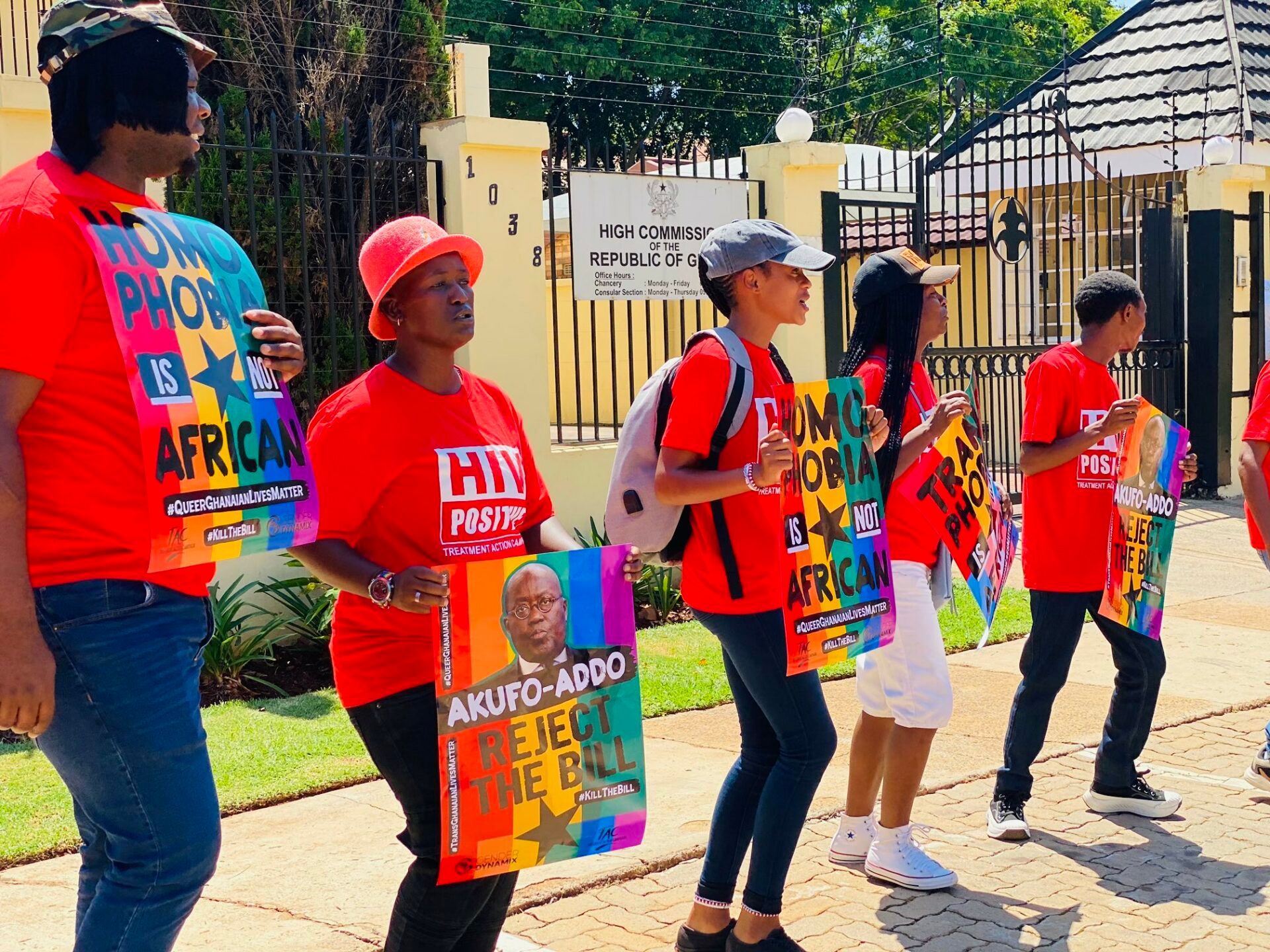
Last week, Ghana’s parliament passed one of the world’s harshest anti-LGBTQI+ bills, further threatening and endangering the queer and trans community in Ghana. Despite gaining independence from British rule on this day in 1957, more than six decades later, colonial anti-LGBTQI+ laws continue to reverberate in the country and across the continent.Consensual same-sex intimacy was already criminalized in Ghana, carrying a three-year prison sentence. Crucially, if President Nana Akufo-Addo signs the Human Sexual Rights and Ghanaian Family Values Bill into law, individuals who affirm their LGBTQI+ identity may be sentenced to three years in prison. The bill also criminalizes the promotion and support of LGBTQI+ activities, and requires citizens to "promote and protect proper human sexual rights and Ghanaian family values'' and report LGBTQI+ people to authorities for “necessary action.”Rainbow Railroad is gravely concerned about the deadly implications of this new bill. In addition to criminalization, legislation that targets the LGBTQI+ community can create a culture of impunity, resulting in violence and threats. This environment can drive queer and trans individuals into hiding, as we’ve seen in other countries where governments imposed draconian colonial-era anti-LGBTQI+ legislation.In a press release on Monday, March 4, Ghana’s Finance Ministry urged President Akufo-Addo not to approve the anti-LGBTQI+ bill and cautioned that doing so could result in significant financial consequences for Ghana, including a potential loss of USD$3.8 billion in World Bank financing over the next five to six years.Regional RamificationsThe bill is the latest in a disturbing surge of anti-LGBTQI+ legislation in Africa, fueled by well-funded and organized evangelical groups. Similar legislation in other countries has led to severe consequences for LGBTQI+ individuals. Currently, same-sex intimacy is illegal in 31 African countries and punishable by death in three, including Uganda, which signed the Anti-Homosexuality Act (AHA23) into law in May 2023.In the first two months of 2024, we’ve seen a 49% increase in requests for help from Uganda compared to the same period in 2023. Disturbing reports persist, detailing persecution, including loss of employment, torture, suicide, violent arrests, and evictions targeting LGBTQI+ individuals. Given the rise of anti-LGBTQI+ in the region, we expect this bill will further subject LGBTQI+ individuals in Ghana to similar threats and violence.It is clear governments of countries like Ghana now feel emboldened to adopt oppressive legislation with impunity, influenced by the AHA23. Late last year, Kenya attempted and failed to pass a similar bill that would have criminalized homosexuality with the death penalty and banned the promotion of LGBTQI+ activity.Building on Our Response Efforts in GhanaThis is not the first time we responded to the urgent needs of at-risk LGBTQI+ Ghanaians. When the Promotion of Proper Human Sexual Rights and Ghanaian Family Values Bill was first introduced in 2021, it created a hostile and exclusionary environment for queer Ghanaians and local LGBTQI+ organizations. Rainbow Railroad responded to a partner organization that experienced immediate restrictions and risk in their work with queer and trans Ghanaians. The organization was subsequently raided by local media, police and national security officers. Following this attack, we continued to amplify their advocacy campaigns and echoed their urgent and persistent calls for global public pressure on Ghana to strike down the bill.As the situation for LGBTQI+ Ghanaians continued to worsen, we relocated five human rights defenders to safety with the support of our donor community.Right now, we’re in conversation with partners on the ground to assess the situation and understand their needs. With limited pathways to safety due to severe passport mobility issues, the LGBTQI+ community in Ghana implores the global community to raise awareness about this discriminatory bill and pressure the Ghanaian government to refuse to sign it into law. Their specific requests include issuing statements condemning the passage of the bill and organizing public demonstrations at embassies and high commissions of Ghana abroad. In addition, they urgently call for humanitarian assistance, such as providing secure safe homes, food, and medical supplies to victims of abuse. The LGBTQI+ community also emphasizes the need to fund groups, activists and organizations, like Rainbow Railroad, supporting their cause. Furthermore, they encourage backing frontline advocates through initiatives that provide them with essential protection and security.Despite passport mobility issues, some individuals will attempt to flee and seek asylum. The queer and trans Ghanaian community is asking diplomatic missions and internal affairs and immigration institutions to work with activists in Ghana to support such individuals who will seek asylum or temporal residency in other countries.The time to act is now. We are in a critical moment that requires a united response, and your immediate actions today can make a difference:Contact your elected officials and ask them to urge President Nana Akufo-Addo to veto this discriminatory Bill. Encourage your friends, families and colleagues to join you.Amplify our messages on social media and in your community.Donate to help fund our advocacy and crisis response work.This "catch-all” bill is extremely dangerous, an affront to democracy, and a violation of LGBTQI+ people’s human rights. Rainbow Railroad stands in solidarity with the LGBTQI+ community in Ghana.We will continue to monitor the situation and provide updates as they become available. Thank you for taking steps today to ensure a future where the rights and dignity of LGBTQI+ Ghanaians are upheld.
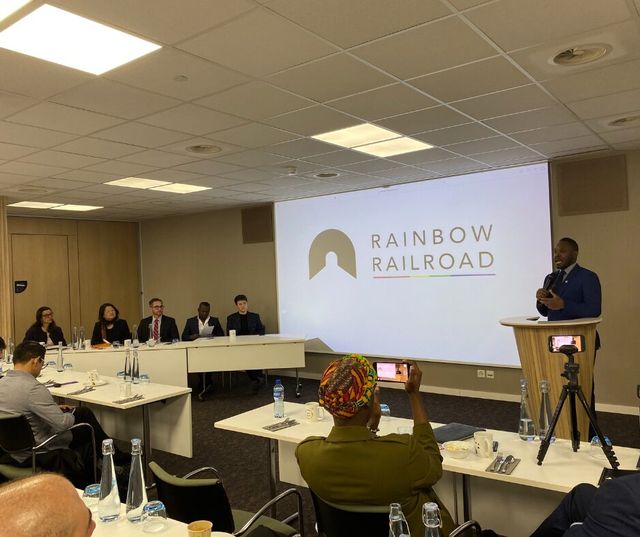
In December, Rainbow Railroad queered the system at the 2023 Global Refugee Forum (GRF). Established in the wake of the Global Compact on Refugees, and held every four years, the GRF is the world's largest gathering on refugees, bringing together representatives from states and civil society organizations to address challenges refugees face worldwide. It is a significant milestone for Rainbow Railroad, along with members of the From Borders to Belonging coalition, to have been invited to attend the GRF in 2023, and for Rainbow Railroad CEO, Kimahli Powell, to have been selected to be a part of the official Canadian Delegation.In mainstream humanitarian spaces and multilateral fora, LGBTQI+ voices are often excluded and deprioritized. In 2018, The Global Compact on Refugees notably failed to affirm protections for LGBTQI+ persons or to recognize their unique vulnerabilities. As a result of our staunch advocacy, only four years later, Rainbow Railroad was given a major platform and opportunity to elevate LGBTQI+ issues at the 2023 GRF. The Rainbow Railroad delegation attended the main plenary sessions where state officials provided remarks about their refugee pledges, and side sessions with speaker panels that dove deeper into specific refugee issues. Rainbow Railroad’s own pledge contextualized our work within the global criminalization landscape, and shared our intention to support the resettlement of additional LGBTIQ+ refugees, advocate for and create new pathways to safety, and launch an International LGBTQI+ Forced Displacement Initiative. The full pledge can be accessed by searching the GRF Database. Rainbow Railroad’s participation in the GRF spoke to the vital importance of having LGBTQI+ voices present and centered in mainstream humanitarian spaces. Rainbow Railroad Community Engagement Officer, Emma Yaaka, participated in a speaker panel in which he came out as an LGBTQI+ refugee advocate himself. In addition to attending and contributing to conversations around refugee issues, Rainbow Railroad also created LGBTQI+ spaces at the GRF to encourage and empower other LGBTQI+ activists and organizations. On the last day of the GRF, Rainbow Railroad hosted a breakfast to launch a public joint statement led by LGBTQI+ civil society organizations and supported by allied CSOs from around the world. The statement called on states to create more dedicated pathways and programs to help LGBTQI+ people who are at risk of persecution. The statement was also circulated to and signed by many LGBTQI+ organizations notably not present or invited to the GRF to ensure that their voices were heard. The full statement, which has been signed by nearly 80 organizations, can be read here.At a panel event, Rainbow Railroad CEO Kimahli Powell also provided an intervention on the world stage where he called on states to recognize LGBTQI+ criminalization as a force of displacement, elevated the joint statement, and shared Rainbow Railroad’s pledge to launch the LGBTQI+ Forced Displacement Initiative.Recognizing the unique expertise of LGBTQI+ global civil society is essential to addressing issues of forced displacement. While Rainbow Railroad’s presence at the GRF represented a historic milestone, in order for these spaces to truly develop durable solutions, LGBTQI+ and refugee-led organizations must be included and centred.Read the full joint statement here.

In many countries around the world, LGBTQI+ people face extreme levels of violence and ostracization from their families, the state, and their communities. Rainbow Railroad responds directly to the intersection of global forced displacement and LGBTQI+ persecution, helping at-risk LGBTQI+ people move to safer countries. But, what happens after Rainbow Railroad facilitates the journey of an LGBTQI+ person to a safer country like Canada? While the immediate threat to their safety may be gone, there are new challenges associated with resettling.Often first among these are feelings of isolation and loneliness, and concerns about accessing stable housing. Finding stable housing is essential for a newly arrived refugee because it provides a foundation for the rest of their life. But there are many barriers including the high cost of housing and landlords requiring credit checks or previous landlord references, which refugees are often unable to provide. Finding safe and stable housing is often the first step in a life-long journey. That’s why Rainbow Railroad is proud to work with Refugee Housing Canada, an innovative startup based in the Greater Toronto and Vancouver Areas which connects newly arrived refugees to community members who can provide stable and affordable housing.Here’s how it works: People with spare bedrooms to rent sign up to be hosts on the Refugee Housing Canada website. They create an online listing, which includes photos, the house rules, room availability, and rent price. Meanwhile, resettlement agencies, like Rainbow Railroad, give refugees access to the online platform, where they can match with a host.Only refugees who have been resettled through Rainbow Railroad or other partner agencies can access listings on the website, ensuring that all candidates for housing on the platform are vetted and verified. Homeowners can open their homes and hearts to those in need, while refugees can rest easy knowing they have a temporary and welcoming home while they start their new life in Canada.Everyone deserves access to safe, stable, affordable housing, and Refugee Housing Canada helps to foster supportive communities for newcomers by connecting them with housing.If you live in the Greater Toronto or Vancouver Areas, you can learn more about the program and sign up to be a host here.
Civil society organizations call on states to create more dedicated pathways and programs to help LGBTQI+ people who are at risk of persecution, including humanitarian and development funding as well as resettlement pathways. Building sustained relationships with LGBTQI+ civil society and leveraging the expertise of LGBTQI+-led organizations is key to accessing and identifying at-risk LGBTQI+ forcibly displaced persons in need of durable solutions. With more than 110 million displaced people in the world, we are collectively experiencing a global refugee crisis of unprecedented scale. We are also witnessing an ongoing injustice that is a compounding risk factor for LGBTQI+ people: 63 states around the world criminalize same-sex intimacy and, as a result, at-risk LGBTQI+ people often face systemic barriers to accessing safety within the existing global refugee and asylum system. For LGBTQI+ individuals, drivers of displacement such as conflict, climate disaster and political instability bring pre-existing persecutory conditions sharply into focus. In countries of origin, transit and host countries, LGBTQI+ communities are exposed to hate-motivated violence from state and non-state actors, as well as discrimination when crossing international borders and hostility when accessing basic services. Existing protection mechanisms fail to effectively respond to the unique vulnerabilities experienced by LGBTQI+ people, often rendering available pathways to safety inaccessible to people with diverse sexual orientation, gender identities and sex characteristics. UNHCR’s 2021 Roundtable Summary Conclusions note that forcibly displaced LGBTIQ+ people “experience multiple, compounding and intersecting stigmatizations and abuse, including… stigmatization related to both their diverse SOGIESC and their migration status”. The conclusions also note that LGBTIQ+ people continue to face “similar or higher risks of homophobic, biphobic, transphobic and endosexist violence from both nationals of the host country as well as from other displaced people,” which are further exacerbated by “xenophobic hostility, misogyny, irregular migration status, socioeconomic marginalization, isolation from traditional support networks and trauma-induced physical and emotional duress.” Despite growing international recognition of the pressing needs of LGBTQI+ forcibly displaced people, these voices continue to be excluded and deprioritized within mainstream humanitarian spaces. The Global Compact on Refugees, while affirming protections related to age, gender, disability and diversity, failed to affirm protections for LGBTQI+ persons or to recognize their unique vulnerabilities - in fact, the term LGBTQI+ was not used at all in the document. In multilateral fora, states often sacrifice LGBTQI+ rights for political considerations, disregarding the urgency of addressing the persecution and violence facing LGBTQI+ people. Politicization of LGBTQI+ rights severely compromises our ability as a global community to address forced displacement crises, when allied states do not hold persecutors to account for fear of offending them in diplomatic spaces. For example, in Uganda, there is an ongoing assault on LGBTQI+ human rights. In May, the President signed the Anti-Homosexuality Act into law and made Uganda the 12th country in the world to legalize the death penalty as a punishment for same-sex intimacy. Targeted violence and persecution is one of the root causes of the LGBTQI+ forced displacement crisis which the Global Refugee Forum seeks to address. Meanwhile, Uganda is co-chairing the Global Refugee Forum. The UNHCR and member states' decision to allow Uganda to remain a co-chair of the Forum undermines the advocacy of persecuted LGBTQI+ Ugandan activists who are calling for global public pressure on Uganda to overturn this hateful and discriminatory legislation. Since passage of the law, LGBTQI+ Ugandans have been arrested, evicted and subjected to bias-motivated violence. Ugandan activists have made clear requests to the global community to put pressure on Uganda, calling on governments to issue visa bans for human rights violators, provide nimble emergency funding to local organizations, create flexible humanitarian pathways for at-risk LGBTQI+ persons in Uganda, and hold the Ugandan government to account in multilateral spaces.The immense challenge of navigating a hostile and exclusionary global landscape can only be met by an equally powerful force of collective queer resistance. By necessity of survival, LGBTQI+ individuals and organizations have become incredibly adept at harnessing the vitality and creativity of their communities to rise up against oppressive systems and generate alternative solutions for finding protection and freedom. In order to be effective, any strategy to address the crisis of forcibly displaced LGBTQI+ people must first be grounded in the cultivation of strong, trust-based partnership networks with local civil society organizations, to identify the urgent needs of highly vulnerable populations, generate responsive pathways to safety, and build a sustainable movement for international LGBTQI+ solidarity. The Joint Refugee Statement at the Global Refugee Forum recognizes the “life-threatening circumstances faced by individuals from marginalized groups, such as the LGBTIQ+ community”, calling on states and protection actors to see refugees as “human beings with unique identities, needs, and diverse backgrounds”, taking a tailored approach which considers “unique and diverse needs, aspirations and capacities of” LGBTIQ+ people, among others.Recognizing the unique expertise of LGBTQI+ global civil society, Rainbow Railroad will build the conditions to establish an International LGBTQI+ Forced Displacement Coordination Initiative. The Initiative will serve as an international platform to develop solutions for LGBTQI+ persons who are impacted by the global migration crisis. The Initiative will convene LGBTQI+ civil society, community organizations, academics and key government stakeholders for research and policy development, and provide a forum for coordinating crisis response efforts in real time. This platform has emerged as a direct response to the need to organize and mobilize to influence the global refugee and asylum system which continues to make trade-offs against the lives of LGBTQI+ forcibly displaced persons. The Initiative is also the product of collective advocacy by global LGBTQI+ civil society organizations which advocated for UNHCR to convene the 2021 Global Roundtable on Protection and Solutions for LGBTIQ+ People in Forced Displacement. The Initiative implements key recommendations from the Roundtable, including the recommendation to “invest in a robust, centralized, international multi-stakeholder network to regularly share data, research, programmatic best practices, and solutions for LGBTIQ+ persons of concern” and to establish “formal global structure, networks, and funding mechanisms by which members of humanitarian, human rights, and allied communities can exchange information, collaborate, coordinate, and hold each other accountable on collectively protecting and supporting LGBTIQ+ people in forced displacement and statelessness.” This centralized advocacy body will work with states to increase refugee intake, and adopt rapid intervention and protection pathways. States must continue progress made in LGBTQI+ rights, and invest in resettlement while upholding the right to seek asylum. Recently, several countries have taken key steps forward in their commitment to LGBTQI+ human rights, while also recognizing that sustained relationships with LGBTQI+ civil society and leveraging expertise of LGBTQI+-led organizations are key to accessing at-risk LGBTQI+ forcibly displaced persons. The Canadian government has partnered with Rainbow Railroad to create a dedicated resettlement pathway for LGBTQI+ refugees, both through direct NGO referral, and in partnership with a broader coalition across LGBTQI+ civil society to create dedicated LGBTQI+ private sponsorship resettlement slots. At the UNHCR High Level Officials Meeting, the United States committed to “establish new referral and sponsorship pathways for LGBTQI+ and other vulnerable refugee groups.” The US has begun working with LGBTQI+-led organizations to create new mechanisms for NGO referrals and private sponsorship, currently in the pilot stage. Other states are also exploring the possibility of dedicated pathways or quotas for LGBTQI+ refugees, including through partnership with LGBTQI+ civil society. Amidst the increased creation and use of complementary pathways, states must continue to affirm the principles of vulnerability-based resettlement and the additionality of complementary pathways, to ensure that the fundamental right to seek asylum is protected from erosion. Leveraging the expertise of LGBTQI+-led organizations - and in particular refugee-led LGBTQI+ organizations - is key to assessing and identifying at-risk LGBTQI+ forcibly displaced persons in need of durable solutions, whether through resettlement or complementary pathways. As a coalition of LGBTQI+ and allied civil society organizations, we stand ready to elevate the voices of LGBTQI+ persons with lived experience of forced displacement, strengthen the work of LGBTQI+ activists leading advancements toward equality, and to partner with states to support those most at-risk in our communities. We call on states to create more dedicated pathways and programs to help LGBTQI+ people who are at risk of persecution, through funding for essential services and accessible resettlement pathways. States should invest in sustained partnerships with LGBTQI+ civil society to increase protection and safeguarding efforts of LGBTQI+ persons experiencing forced displacement.Presenting SignatoryRainbow RailroadJoint Civil Society Organization SignatoriesAccess Chapter 2Adhikaar AotearoaAfghanistan LGBTIQ+ OrganisationThe African Centre for Refugees in Ontario CanadaAGIR MontrealAlliance for South Asian AIDS PreventionAman LaraAmerica Diversa IncAmnesty International AustraliaANKH Association (Arab Network for Knowledge about Human Rights)APCOM FoundationArc EssentielASEAN SOGIE CaucusBlue Diamond SocietyCalgary Refugee HealthCanadian Centre for Gender and Sexual DiversityCapital Rainbow RefugeCentre de Recherche et de Documentation en Approches Genre CREDAGColours CaribbeanCorporación Caribe AfirmativoCouncil for Global EqualityCuso InternationalDerechos Humanos y Diversidad Asociación CivilDiálogo DiversoEgale CanadaEgides - Alliance internationale francophone pour l'égalité et les diversitésThe Enchanté NetworkEqual Asia FoundationEQUAL GROUNDFierté Canada PrideFrom Borders to BelongingForcibly Displaced People NetworkFondation ÉmergenceFondation MassimadiFundación Arcoiris por el respeto a la diversidad sexualFundación Colectivo Hombres XX, A. C.Fundación IgualdadHelemHIV Legal NetworkILGA AsiaILGA- LAC ArgentinaILGA WorldImmigration EqualityInstituto sobre Migracion y Refugio LGBTIQ para Centroamerica IRCA CASABIERTAKudwaKyivPride CanadaLesbian and Gay Federation in Germany (LSVD)Lithuanian Gay LeagueMicro Rainbow International FoundationMOSAIC MENAMorgane Oger FoundationMovimiento de Integración y Liberación Homosexual (Movilh)Namibia Diverse Women's Association (NDWA)Niskanen CenterOCASI- Ontario Council of Agencies Serving ImmigrantsORAM - Organization for Refuge, Asylum and MigrationOTD ChilePolonia InclusivePride at Work Canada/Fierté au travail CanadaPride TorontoPromsexProud To Be TransRainbow AfghanistanRainbow Refugee SocietyRainbow Faith and FreedomRed nacional de apoyo a personas migrantes y refugiadas LGBT MéxicoRed Regional de Protección a Personas LGBTIQ+ Refugiadas y Migrantes en las AmericasRefugee Council USARefugio LGBT CASA FRIDAReportOUTRFSL -The Swedish Federation for LGBTIQ RightsSASOD GuyanaSynergía - Initiatives for Human RightsWILPF CanadaWUSC (World University Service of Canada)UK Black PrideUnited Church of CanadaVenezuela Diversa
In May of 2023, the Ugandan President signed the Anti-Homosexuality Act into law, codifying one of the most extreme pieces of anti-LGBTQI+ legislation in the world.In recent months, Rainbow Railroad has experienced an alarming surge in requests for help from the LGBTQI+ community in Uganda.We’ve also received a spike in requests for assistance from our partners on the ground in Uganda, including under-resourced organizations and shelters in rural Uganda, which have received little to no international attention. We’re also seeing a worsening trend of community rejection — including evictions, violent arrests, and loss of employment — as a major safety concern for LGBTQI+ individuals. You can read more about one of our partner organizations in Uganda, Mbarara Rise Foundation, here.November 28, Giving Tuesday, all donations made to Rainbow Railroad will be directed to our work in Uganda, supporting the vital services of these organizations.We ask for your support as we stand in solidarity with LGBTQI+ Ugandans. Please give generously.

On October 26, 1996, intersex activists from around the world gathered in Boston, Massachusetts, outside the annual American Academy of Pediatrics conference for the first public demonstration by intersex people in North America. Since then, this day has been observed annually to raise awareness of the issues intersex individuals face, promote understanding and acceptance, and advocate for their rights and access to respectful and supportive healthcare practices.Intersex people are born with natural variations in their biological sex characteristics — simply put, their bodies fit outside the strict male/female binary. It's important to recognize that intersex is a natural part of human diversity — not a medical condition to be changed or fixed. Medical practitioners' failure to comprehend and recognize this has led to traumatizing situations for intersex individuals, especially minors who undergo surgeries without proper explanation of their characteristics. Over the years, the internet and social media helped break the silence surrounding intersex issues, allowing intersex individuals to connect, share their stories, and ultimately find solidarity. Between 2021 and 2022, Rainbow Railroad saw a 78% increase in requests for help from intersex individuals. So far in 2023, more than 400 intersex individuals have reached out for assistance.Intersex activist, psychotherapist, American jazz singer and actress, Eden Atwood, recounts her journey as an intersex individual: “I didn’t feel the same as everybody else. I was never told as a child and teenager why I didn't get my period. When the results of my blood test arrived, it was met with silence by my mother and the medical practitioner at Mayo Clinic in the late 80’s.” “Growing up intersex was isolating and painful because of how I was treated by the medical community. It damaged my view of myself. I already had a very difficult relationship with my mother and used to fake a variety of illnesses to get her attention. When I was told I had “precancerous twisted ovaries” I thought, oh god, I did this to myself. I faked so many illnesses I made myself deathly ill. Of course none of that was true. I was not deathly ill nor had I done anything to myself. Being intersex today is still isolating, but I no longer have shame about myself or my body. Nothing in my life has ever been so painful as carrying deep shame. Unraveling that shame has been profoundly difficult. Living my life without a secure attachment to either of my parents made my life very lonely and often very painful.”Eden transformed her pain into purpose and started to support others in their own journey of embracing the whole of who they are which she describes as the source of their joy. Atwood and their former partner founded The Interface Project to share the lived experiences of intersex people as an act of love for themselves and their community.Music is their outlet and singing their story empowers them to be present and show up as the forgiving and compassionate self that aspires to artivism: “I always believe in art and its power to educate, heal, incite and inspire. Music is always true north for me. It reminds me of who I am, where I have been, and keeps me moving in the direction of love.”Eden continues to advocate for intersex rights and is currently part of a lawsuit in Montana, USA opposing Senate Bill 458 that seeks to legally define binary biological sex. By observing Intersex Awareness Day, we continue to foster understanding, challenge harmful stereotypes, and promote respect for the diverse experiences and identities within the intersex community. It also celebrates the strength and resilience of intersex individuals and helps create a world that respects and values everyone's unique journey.